


Parametre
- 241 stránok
- 9 hodin čítania
Viac o knihe
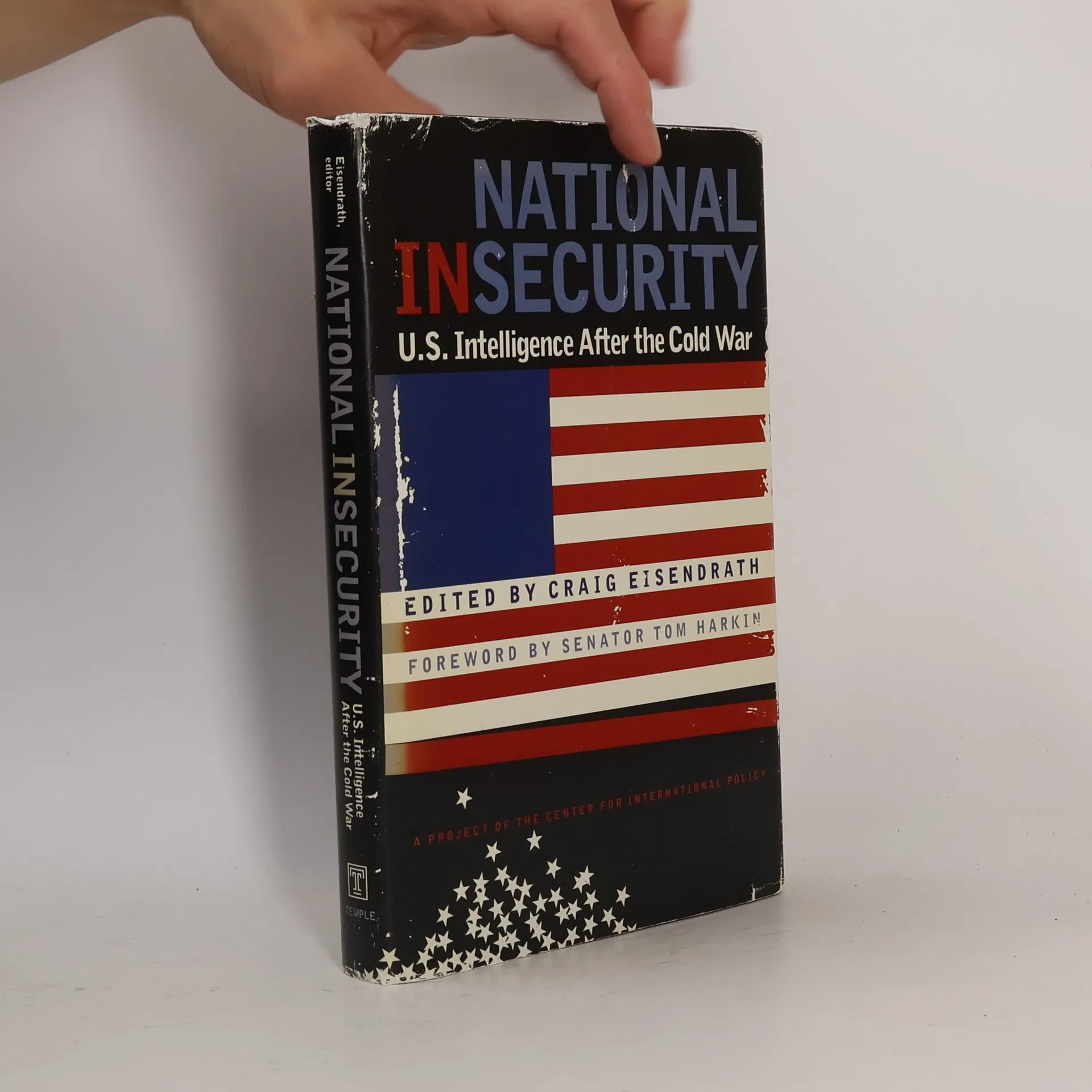
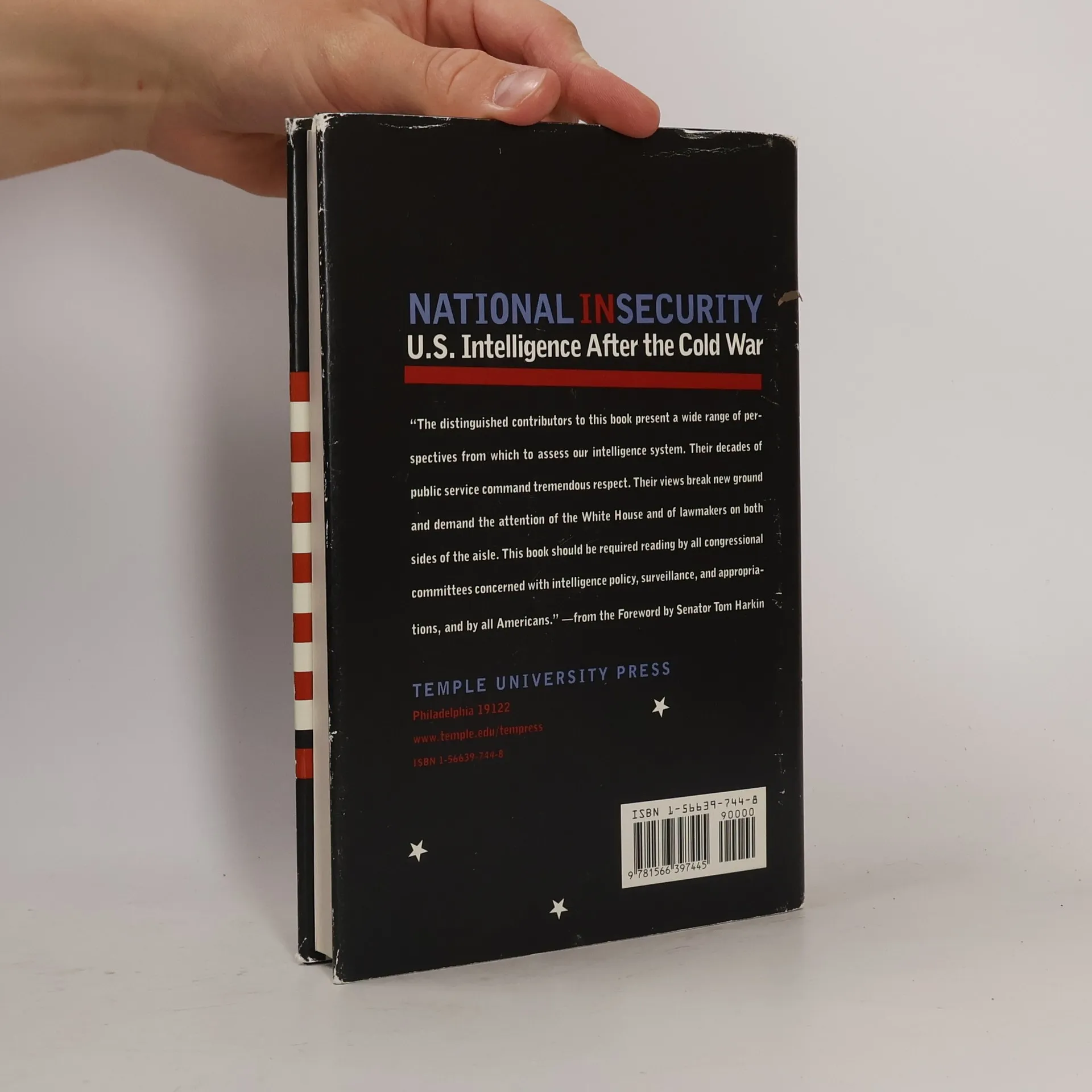
A drastic reform of intelligence activities is long overdue, as the Cold War has been over for a decade and no country currently threatens the nation's existence. Despite this, billions are still spent on covert actions and espionage. Ten prominent experts provide an insider perspective on the failures of U.S. intelligence and outline necessary reforms. Drawing on their extensive experience in government, research, and foreign service, they advocate for a radical rethinking of intelligence needs in the post-Cold War era. Their unified plan aims to protect U.S. security while upholding democratic values. Historically, even during the Cold War, the intelligence system faltered, providing unreliable information that inflated military budgets and supported corrupt regimes, all while operating under a veil of secrecy without accountability for its failures. The authors highlight the strategic interests abroad and the costs of covert operations in terms of finances, reliability, and goodwill. This book is essential reading for American taxpayers and those interested in contemporary political issues, international relations, U.S. history, public policy, foreign policy, intelligence reform, and political science.
Nákup knihy
National Insecurity, Craig R. Eisendrath, Tom Harkin
- Jazyk

- Rok vydania
- 1999
- Väzba
- (pevná)
Nikto zatiaľ neohodnotil.
- Titul
- National Insecurity
- Podtitul
- U.S. Intelligence After the Cold War
- Jazyk
- anglicky
- Autori
- Craig R. Eisendrath, Tom Harkin
- Vydavateľ
- Temple University Press
- Rok vydania
- 1999
- Väzba
- pevná
- Počet strán
- 241
- ISBN10
- 1566397448
- ISBN13
- 9781566397445
- Série
- Kategórie
- Anotácia
- A drastic reform of intelligence activities is long overdue, as the Cold War has been over for a decade and no country currently threatens the nation's existence. Despite this, billions are still spent on covert actions and espionage. Ten prominent experts provide an insider perspective on the failures of U.S. intelligence and outline necessary reforms. Drawing on their extensive experience in government, research, and foreign service, they advocate for a radical rethinking of intelligence needs in the post-Cold War era. Their unified plan aims to protect U.S. security while upholding democratic values. Historically, even during the Cold War, the intelligence system faltered, providing unreliable information that inflated military budgets and supported corrupt regimes, all while operating under a veil of secrecy without accountability for its failures. The authors highlight the strategic interests abroad and the costs of covert operations in terms of finances, reliability, and goodwill. This book is essential reading for American taxpayers and those interested in contemporary political issues, international relations, U.S. history, public policy, foreign policy, intelligence reform, and political science.