

Miláčik čitateľov je práve vypredaný
Viac o knihe
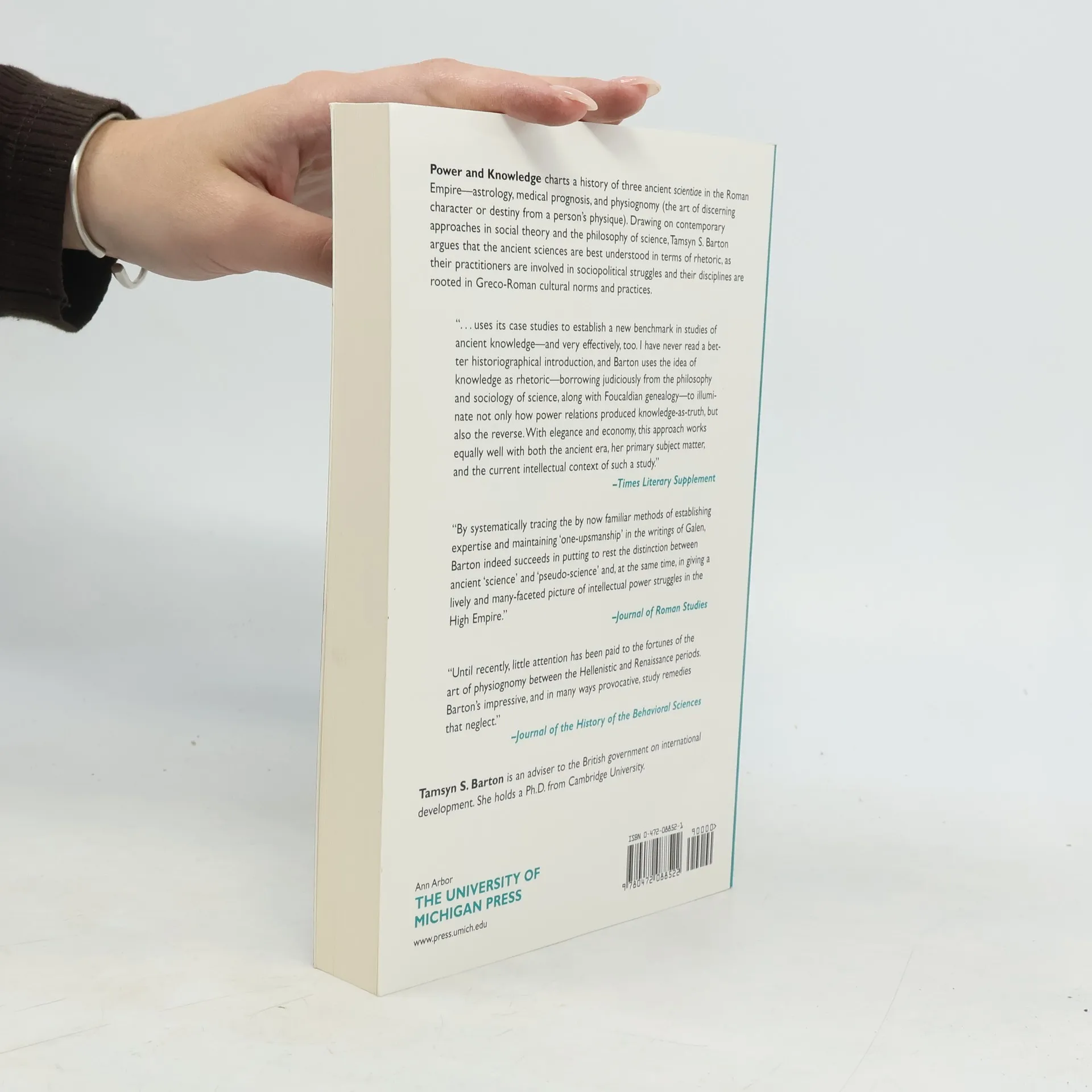
Power and Knowledge charts a history of three ancient scientiae in the Roman Empire--astrology, medical prognosis, and physiognomy (the art of discerning character or destiny from a person's physique). Drawing on contemporary approaches in social theory and the philosophy of science, Tamsyn Barton argues that the ancient sciences are best understood in terms of rhetoric, as their practitioners are involved in sociopolitical struggles and their disciplines are rooted in Greco-Roman cultural norms and practices.
Nákup knihy
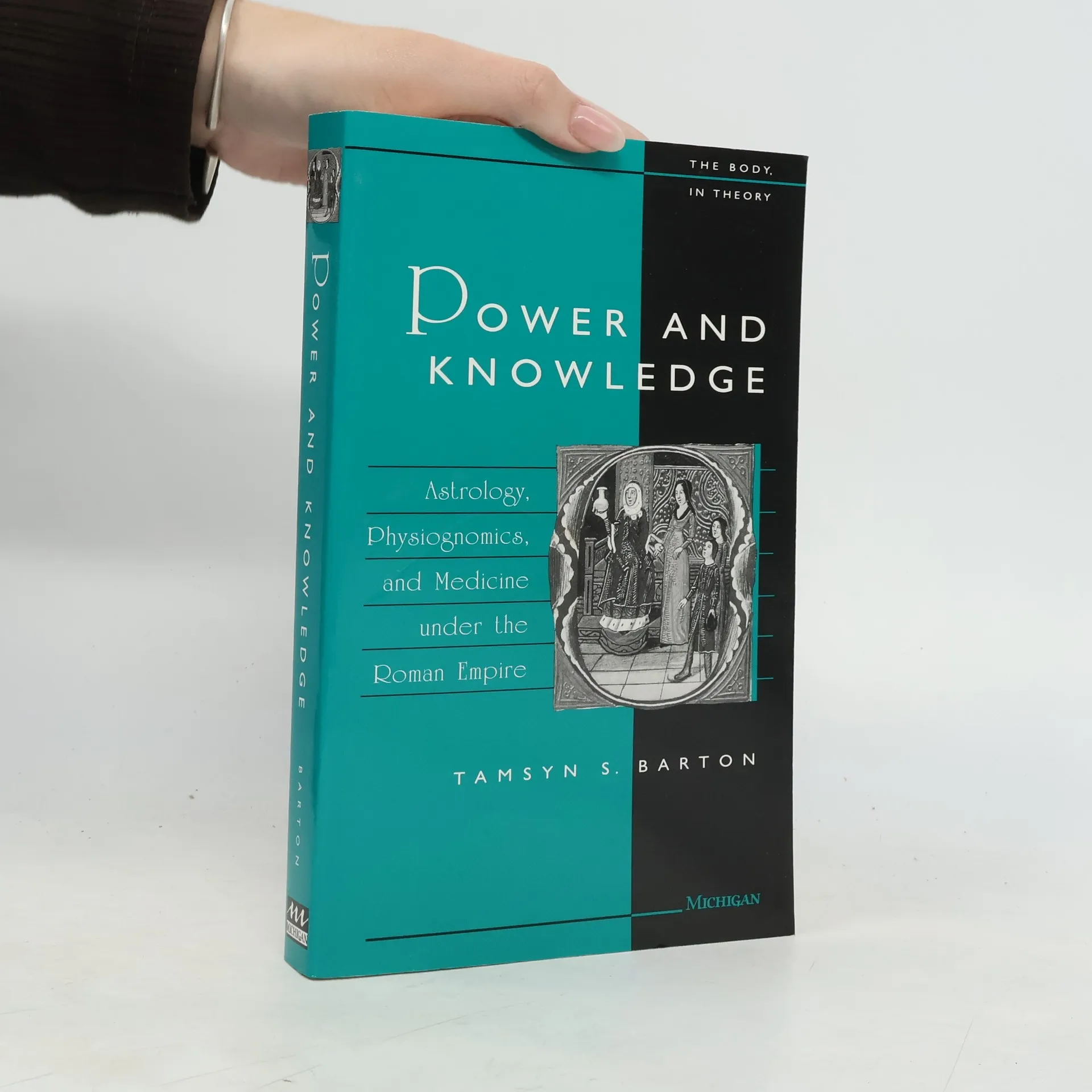
The Body, in Theory: Histories of Cultural Materialism: Power and Knowledge, Tamsyn S. Barton
- Jazyk

- Rok vydania
- 1994
- Väzba
- (mäkká)
Akonáhle sa objaví, pošleme e-mail.
Doručenie
Platobné metódy
Nikto zatiaľ neohodnotil.
- Titul
- The Body, in Theory: Histories of Cultural Materialism: Power and Knowledge
- Podtitul
- Astrology, Physiognomics, and Medicine Under the Roman Empire
- Jazyk
- anglicky
- Autori
- Tamsyn S. Barton
- Vydavateľ
- University of Michigan Press
- Rok vydania
- 1994
- Väzba
- mäkká
- Počet strán
- 272
- ISBN10
- 0472088521
- ISBN13
- 9780472088522
- Série
- Štítky
- Historické téma, Veda, USA, Medicína, Taliansko, Južná Európa, Európa, Starovek, antika, Dejiny Európy, Literárna kritika, Rím, Populárna kultúra, Západná Európa, Staroveký Rím, Dejiny vedy, Dejiny medicíny, Filozofia vedy
- Anotácia
- Power and Knowledge charts a history of three ancient scientiae in the Roman Empire--astrology, medical prognosis, and physiognomy (the art of discerning character or destiny from a person's physique). Drawing on contemporary approaches in social theory and the philosophy of science, Tamsyn Barton argues that the ancient sciences are best understood in terms of rhetoric, as their practitioners are involved in sociopolitical struggles and their disciplines are rooted in Greco-Roman cultural norms and practices.