

Miláčik čitateľov je práve vypredaný
Parametre
- 278 stránok
- 10 hodin čítania
Viac o knihe
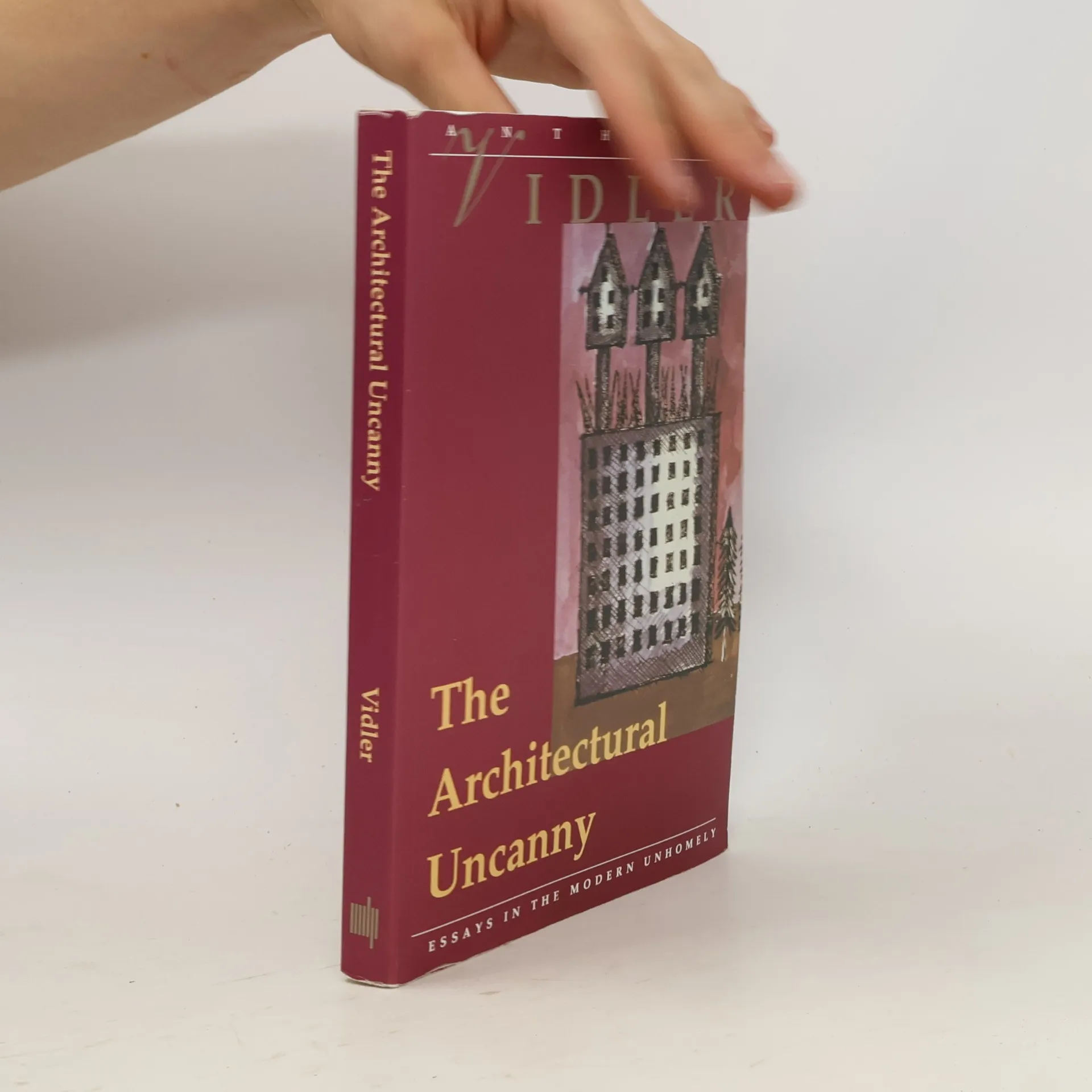
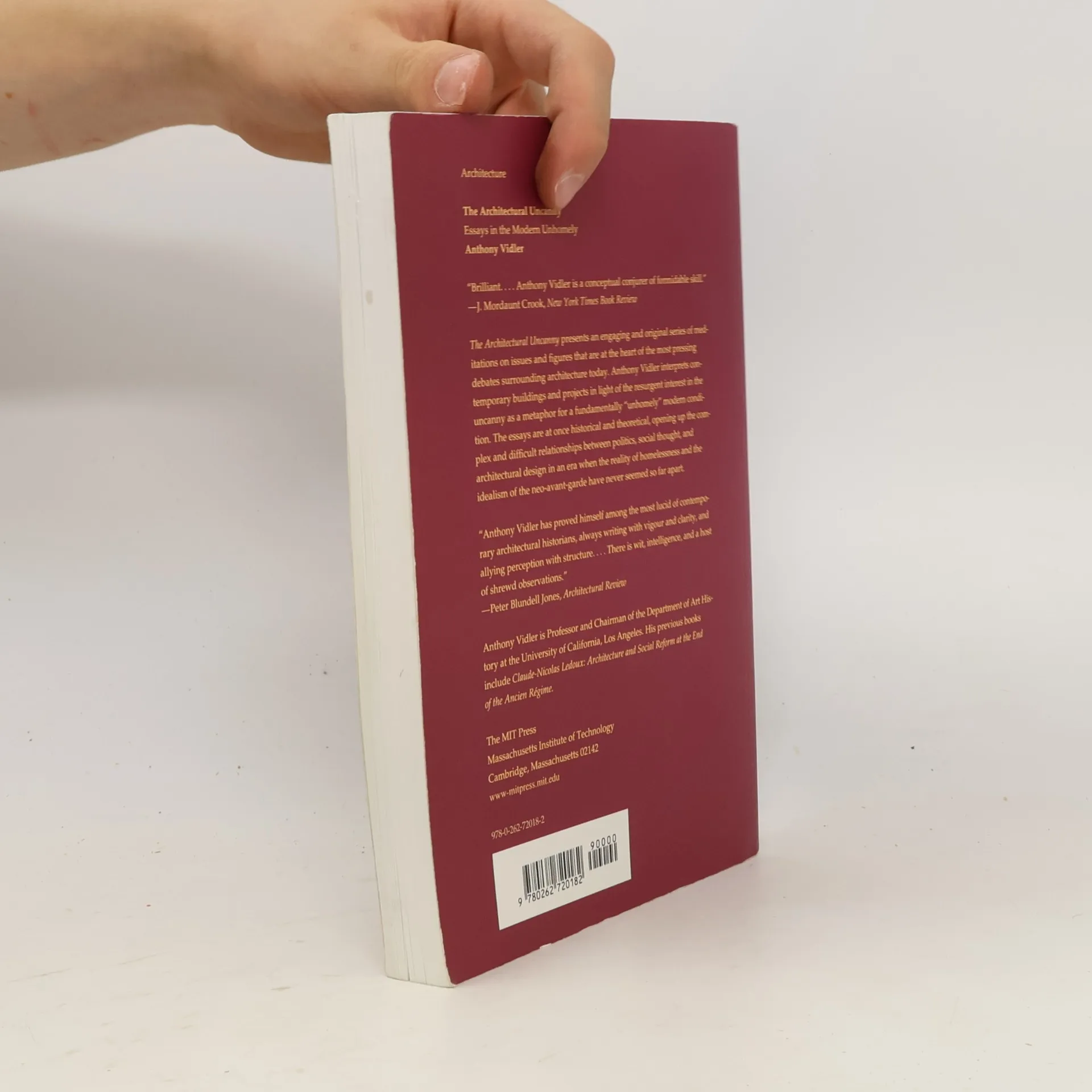
The Architectural Uncanny presents an engaging and original series of meditations on issues and figures that are at the heart of the most pressing debates surrounding architecture today. Anthony Vidler interprets contemporary buildings and projects in light of the resurgent interest in the uncanny as a metaphor for a fundamentally “unhomely” modern condition. The essays are at once historical and theoretical, opening up the complex and difficult relationships between politics, social thought, and architectural design in an era when the reality of homelessness and the idealism of the neo-avant-garde have never seemed so far apart.
Nákup knihy
The Architectural Uncanny, Anthony Vidler
- Jazyk

- Rok vydania
- 1992
- Väzba
- (mäkká)
Akonáhle sa objaví, pošleme e-mail.
Nikto zatiaľ neohodnotil.
- Titul
- The Architectural Uncanny
- Podtitul
- Essays in the Modern Unhomely
- Jazyk
- anglicky
- Autori
- Anthony Vidler
- Vydavateľ
- MIT Press
- Rok vydania
- 1992
- Väzba
- mäkká
- Počet strán
- 278
- ISBN10
- 0262720183
- ISBN13
- 9780262720182
- Série
- Kategórie
- Štítky
- Byznys, Psychologická tematika, Filozofická tematika, Umenie, Architektúra, Rodina, Vojny, Filmová tematika, Kultúra a spoločnosť, Feminizmus, Duševné zdravie, Dejiny Európy, Manželstvo, Kultúra, Vedecké teórie, 21. storočie, Identita, Mestá, Kritika, Gender, Kapitalizmus, Krása, Úzkostné poruchy, Strata pamäti, amnézia, Psychologické aspekty, Teória architektúry, Kritická teória
- Anotácia
- The Architectural Uncanny presents an engaging and original series of meditations on issues and figures that are at the heart of the most pressing debates surrounding architecture today. Anthony Vidler interprets contemporary buildings and projects in light of the resurgent interest in the uncanny as a metaphor for a fundamentally “unhomely” modern condition. The essays are at once historical and theoretical, opening up the complex and difficult relationships between politics, social thought, and architectural design in an era when the reality of homelessness and the idealism of the neo-avant-garde have never seemed so far apart.