

Viac o knihe
The Lydians, speakers of an ancient Indo-European language, ruled Western Asia Minor under the Mermnad dynasty during the 7th and 6th centuries BC. The last Mermnad king, Croesus, is often regarded as a symbol of immense wealth. Beyond Croesus, the Lydians are renowned for inventing coinage and for their significant presence in Graeco-Roman literature, especially in Herodotus's writings, which influenced later artistic works like Friedrich Hebbel’s tragedy and Alexander Zemlinky’s opera. Primary knowledge of the Lydians comes from archaeological findings, as the native Lydian texts are limited, and later sources may reflect bias. This volume integrates contemporary historical, linguistic, and archaeological research to explore various topics, including Lydian history, language, writing, money, religion, and burial customs, while also addressing how Lydia has been perceived throughout history. It serves as a modern introduction to the Lydians, complete with extensive bibliographical references for further exploration, targeting both general readers and scholars. The focus is particularly on reinterpreting available texts in light of recent advancements in the study of ancient Anatolian civilizations.
Nákup knihy
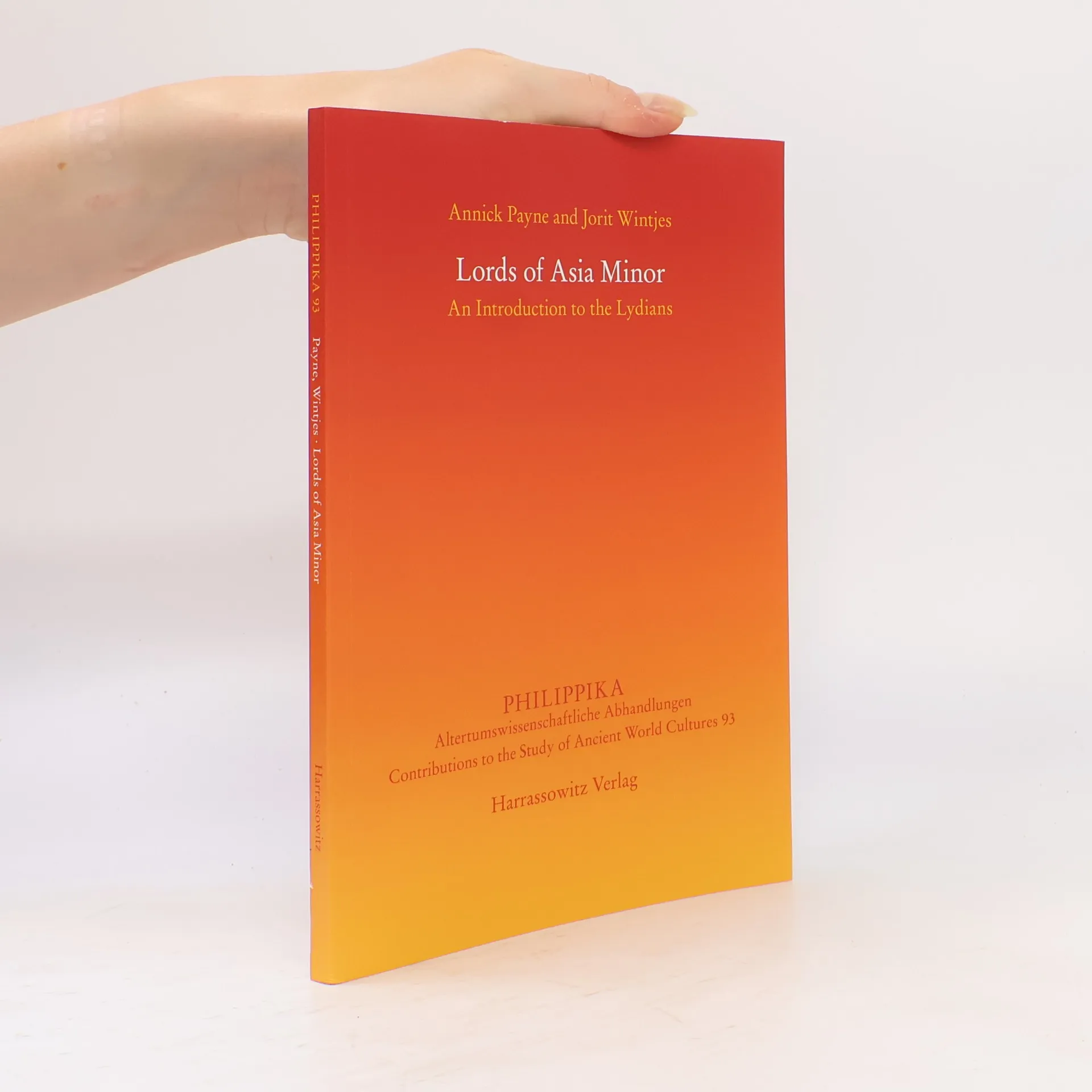
Philippika - 93: Lords of Asia Minor, Annick Payne, Jorit Wintjes
- Jazyk

- Rok vydania
- 2016
- Väzba
- (mäkká)
Nikto zatiaľ neohodnotil.
- Titul
- Philippika - 93: Lords of Asia Minor
- Podtitul
- An Introduction to the Lydians
- Jazyk
- anglicky
- Autori
- Annick Payne, Jorit Wintjes
- Vydavateľ
- Harrassowitz
- Rok vydania
- 2016
- Väzba
- mäkká
- Počet strán
- 145
- ISBN10
- 3447105682
- ISBN13
- 9783447105682
- Série
- Kategórie
- Štítky
- Historické téma, Lingvistika, Starovek, antika, Archeológia, Prehistória a pravek, Kulturné dejiny
- Anotácia
- The Lydians, speakers of an ancient Indo-European language, ruled Western Asia Minor under the Mermnad dynasty during the 7th and 6th centuries BC. The last Mermnad king, Croesus, is often regarded as a symbol of immense wealth. Beyond Croesus, the Lydians are renowned for inventing coinage and for their significant presence in Graeco-Roman literature, especially in Herodotus's writings, which influenced later artistic works like Friedrich Hebbel’s tragedy and Alexander Zemlinky’s opera. Primary knowledge of the Lydians comes from archaeological findings, as the native Lydian texts are limited, and later sources may reflect bias. This volume integrates contemporary historical, linguistic, and archaeological research to explore various topics, including Lydian history, language, writing, money, religion, and burial customs, while also addressing how Lydia has been perceived throughout history. It serves as a modern introduction to the Lydians, complete with extensive bibliographical references for further exploration, targeting both general readers and scholars. The focus is particularly on reinterpreting available texts in light of recent advancements in the study of ancient Anatolian civilizations.