
Bookbot

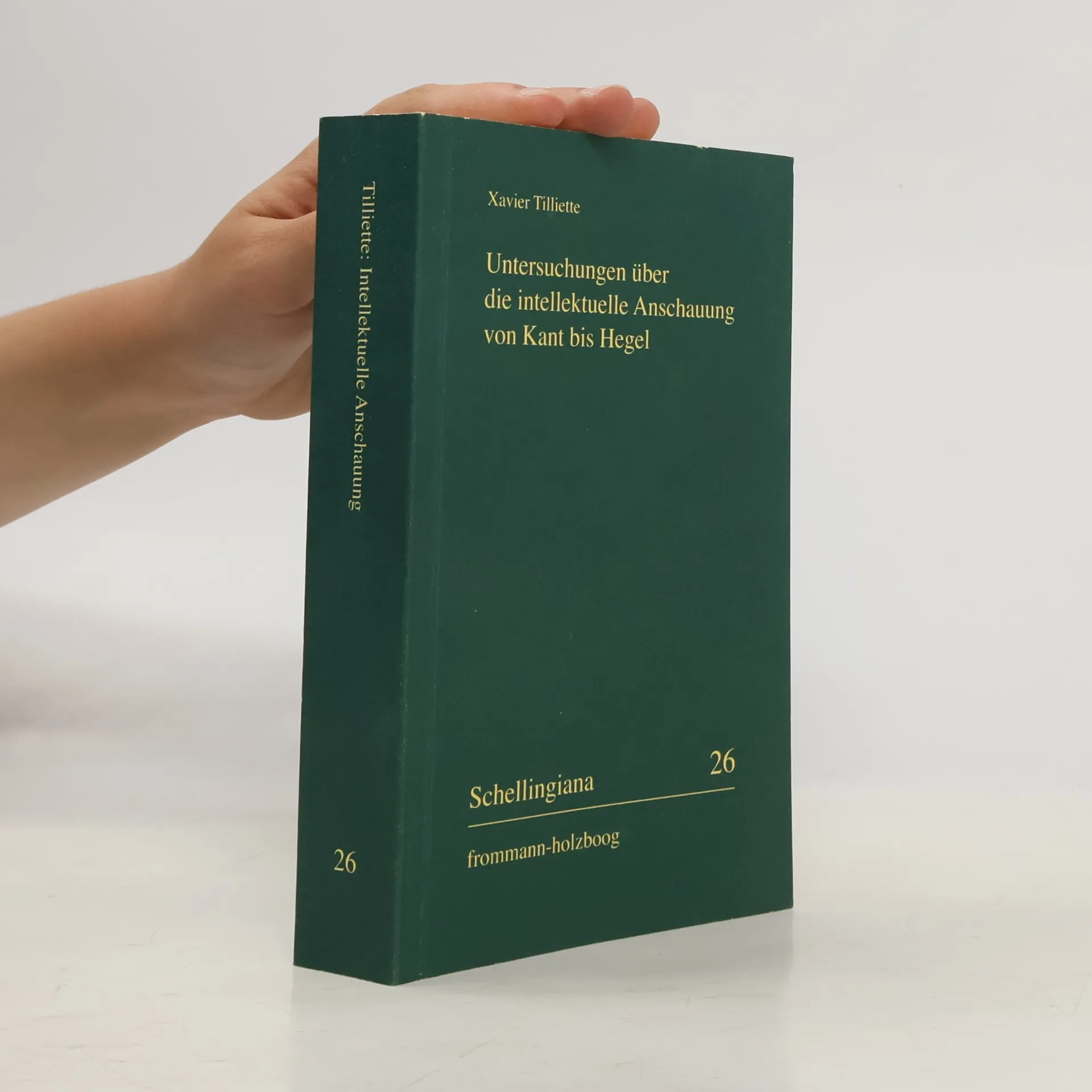
Schellingiana - 26: Untersuchungen über die intellektuelle Anschauung von Kant bis Hegel

Viac o knihe

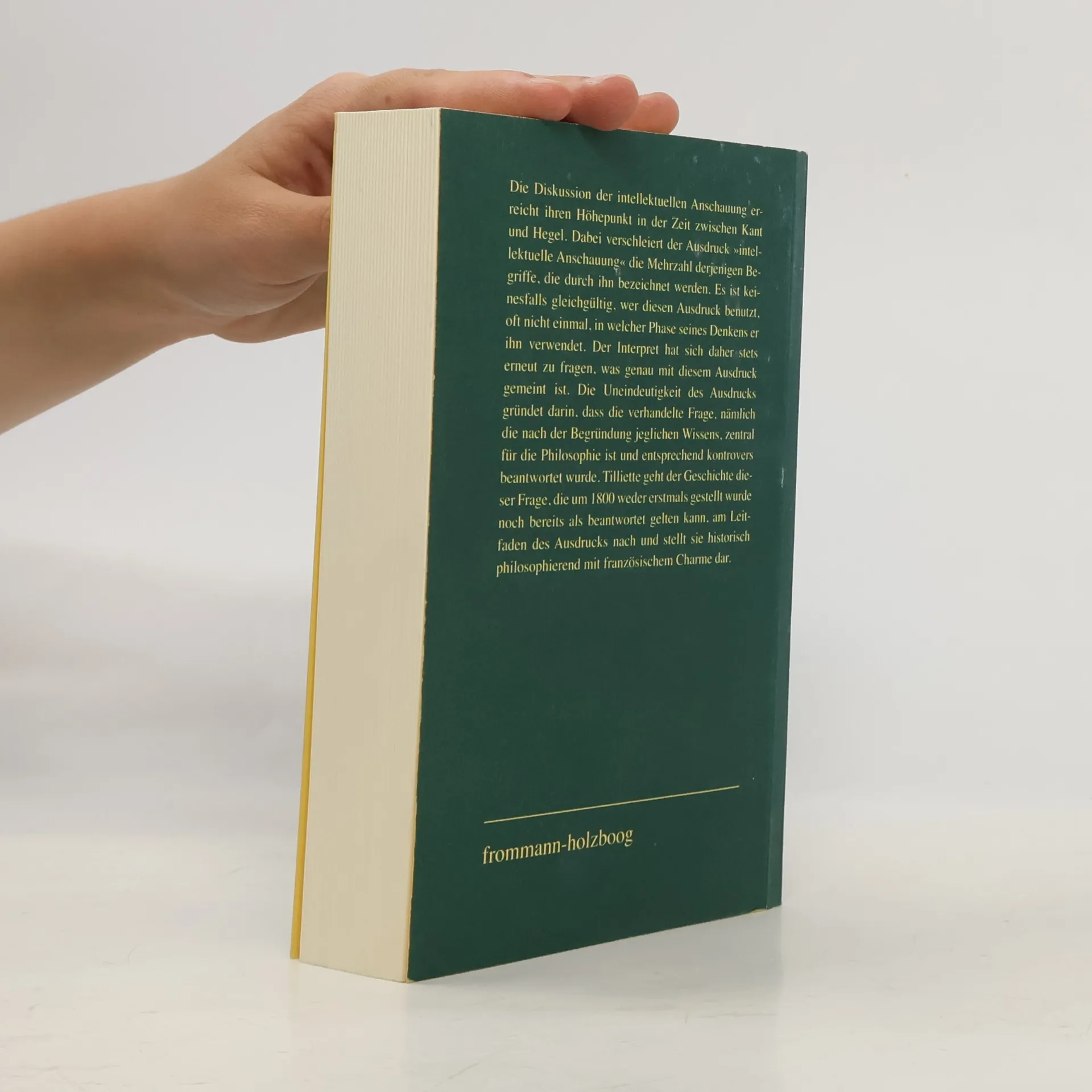
English summary: The discussion concerning intellectual intuition culminated during the time between Kant and Hegel. And yet the expression "intellectual intuition" conceals the majority of those terms which it describes. It is by no means unimportant who uses this expression, often not even in which stage of his thinking he uses it. Thus the interpreter always has to ask himself a second time what exactly is meant by this expression. The ambiguity of the expression is based on the fact that the question under discussion, the question of the foundation of all knowledge, is pivotal for philosophy and thus has been answered correspondingly controversially. Tilliette looks into the history of this question, which had not been posed for the first time or answered around 1800, drawing on the concept of expression for guidance, and describes it by philosophizing historically with French charm. German description: Die Diskussion der intellektuellen Anschauung erreicht ihren Hohepunkt in der Zeit zwischen Kant und Hegel. Dabei verschleiert der Ausdruck 'intellektuelle Anschauung' die Mehrzahl derjenigen Begriffe, die durch ihn bezeichnet werden. Es ist keinesfalls gleichgultig, wer diesen Ausdruck benutzt, oft nicht einmal, in welcher Phase seines Denkens er ihn verwendet. Der Interpret hat sich daher stets erneut zu fragen, was genau mit diesem Ausdruck gemeint ist. Die Uneindeutigkeit des Ausdrucks grundet darin, dass die verhandelte Frage, namlich die nach der Begrundung jeglichen Wissens, zentral fur die Philosophie ist und entsprechend kontrovers beantwortet wurde. Tilliette geht der Geschichte dieser Frage, die um 1800 weder erstmals gestellt wurde noch bereits als beantwortet gelten kann, am Leitfaden des Ausdrucks nach und stellt sie historisch philosophierend mit franzosischem Charme dar.

Nákup knihy

Schellingiana - 26: Untersuchungen über die intellektuelle Anschauung von Kant bis Hegel, Xavier Tilliette, Lisa Egloff, Wilhelm G. Jacobs, Volker Gerhardt

Jazyk
Rok vydania
2015
product-detail.submit-box.info.binding
(mäkká),
Stav knihy
Dobrá
Cena
61,99 €

Platobné metódy

Nikto zatiaľ neohodnotil.Ohodnotiť

Titul
Schellingiana - 26: Untersuchungen über die intellektuelle Anschauung von Kant bis Hegel
Jazyk
nemecky
Rok vydania
2015
Väzba
mäkká
Počet strán
473
ISBN10
3772826229
ISBN13
9783772826221
Série
Anotácia
English summary: The discussion concerning intellectual intuition culminated during the time between Kant and Hegel. And yet the expression "intellectual intuition" conceals the majority of those terms which it describes. It is by no means unimportant who uses this expression, often not even in which stage of his thinking he uses it. Thus the interpreter always has to ask himself a second time what exactly is meant by this expression. The ambiguity of the expression is based on the fact that the question under discussion, the question of the foundation of all knowledge, is pivotal for philosophy and thus has been answered correspondingly controversially. Tilliette looks into the history of this question, which had not been posed for the first time or answered around 1800, drawing on the concept of expression for guidance, and describes it by philosophizing historically with French charm. German description: Die Diskussion der intellektuellen Anschauung erreicht ihren Hohepunkt in der Zeit zwischen Kant und Hegel. Dabei verschleiert der Ausdruck 'intellektuelle Anschauung' die Mehrzahl derjenigen Begriffe, die durch ihn bezeichnet werden. Es ist keinesfalls gleichgultig, wer diesen Ausdruck benutzt, oft nicht einmal, in welcher Phase seines Denkens er ihn verwendet. Der Interpret hat sich daher stets erneut zu fragen, was genau mit diesem Ausdruck gemeint ist. Die Uneindeutigkeit des Ausdrucks grundet darin, dass die verhandelte Frage, namlich die nach der Begrundung jeglichen Wissens, zentral fur die Philosophie ist und entsprechend kontrovers beantwortet wurde. Tilliette geht der Geschichte dieser Frage, die um 1800 weder erstmals gestellt wurde noch bereits als beantwortet gelten kann, am Leitfaden des Ausdrucks nach und stellt sie historisch philosophierend mit franzosischem Charme dar.
