




Viac o knihe
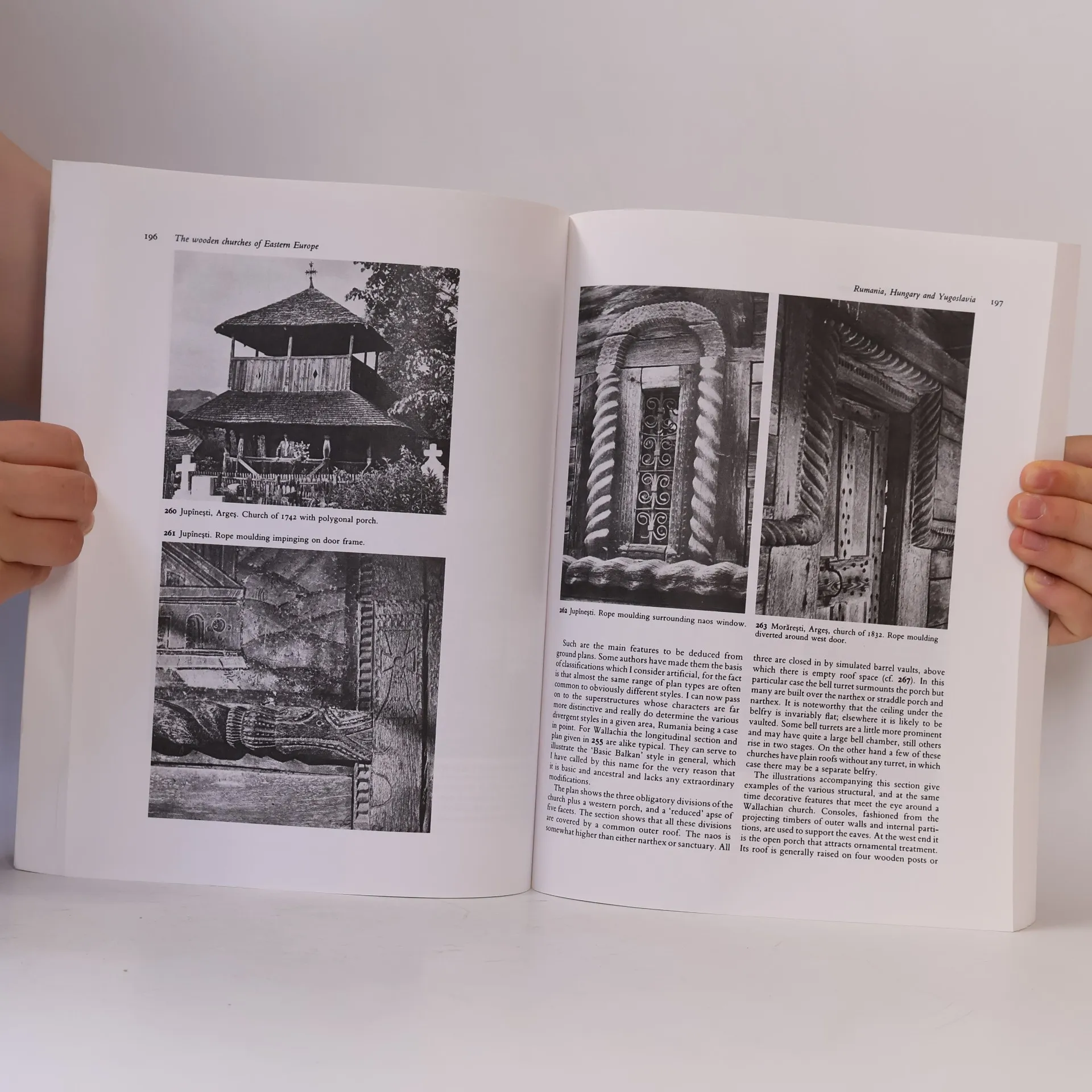
Previously issued in 1981, this book examines the wooden church architecture of Eastern Europe. Eastern Europe is the principal refuge of styles and techniques of 'solid' timber and log building which were once far more widespread. These same building methods were once well known in central Europe too but the increasing scarcity of forest resources prompted the development of timber-framing or half-timbering as a more economical alternative. This system exerted an influence over wide areas of eastern Europe, and Mr Buxton devotes some space to a consideration of it, but the bulk of the book is concerned with churches built basically in solid timber, though with many refinements and embellishments. The author attempts to show the origin and relationship of the numerous regional styles with notes on their geographical and historical setting. He spent a number of years travelling in eastern Europe gathering material and taking a great many photographs some of which are included in the book; there are also plans and sections of all principal church-types. There are two appendixes: in the first Mr Buxton discusses the relationship between the wooden styles presented here and the American log cabin; the second describes the wooden synagogues of eastern Poland, all tragically lost in the last war.
Nákup knihy
The Wooden Churches of Eastern Europe, David Buxton
- Jazyk

- Rok vydania
- 2008
- Väzba
- (mäkká)
Doručenie
Platobné metódy
Nikto zatiaľ neohodnotil.
- Titul
- The Wooden Churches of Eastern Europe
- Podtitul
- An Introductory Survey
- Jazyk
- anglicky
- Autori
- David Buxton
- Vydavateľ
- Cambridge University Press
- Rok vydania
- 2008
- Väzba
- mäkká
- Počet strán
- 416
- ISBN10
- 0521090547
- ISBN13
- 9780521090544
- Série
- Štítky
- Umenie, Architektúra, Východná Európa
- Anotácia
- Previously issued in 1981, this book examines the wooden church architecture of Eastern Europe. Eastern Europe is the principal refuge of styles and techniques of 'solid' timber and log building which were once far more widespread. These same building methods were once well known in central Europe too but the increasing scarcity of forest resources prompted the development of timber-framing or half-timbering as a more economical alternative. This system exerted an influence over wide areas of eastern Europe, and Mr Buxton devotes some space to a consideration of it, but the bulk of the book is concerned with churches built basically in solid timber, though with many refinements and embellishments. The author attempts to show the origin and relationship of the numerous regional styles with notes on their geographical and historical setting. He spent a number of years travelling in eastern Europe gathering material and taking a great many photographs some of which are included in the book; there are also plans and sections of all principal church-types. There are two appendixes: in the first Mr Buxton discusses the relationship between the wooden styles presented here and the American log cabin; the second describes the wooden synagogues of eastern Poland, all tragically lost in the last war.