

Viac o knihe
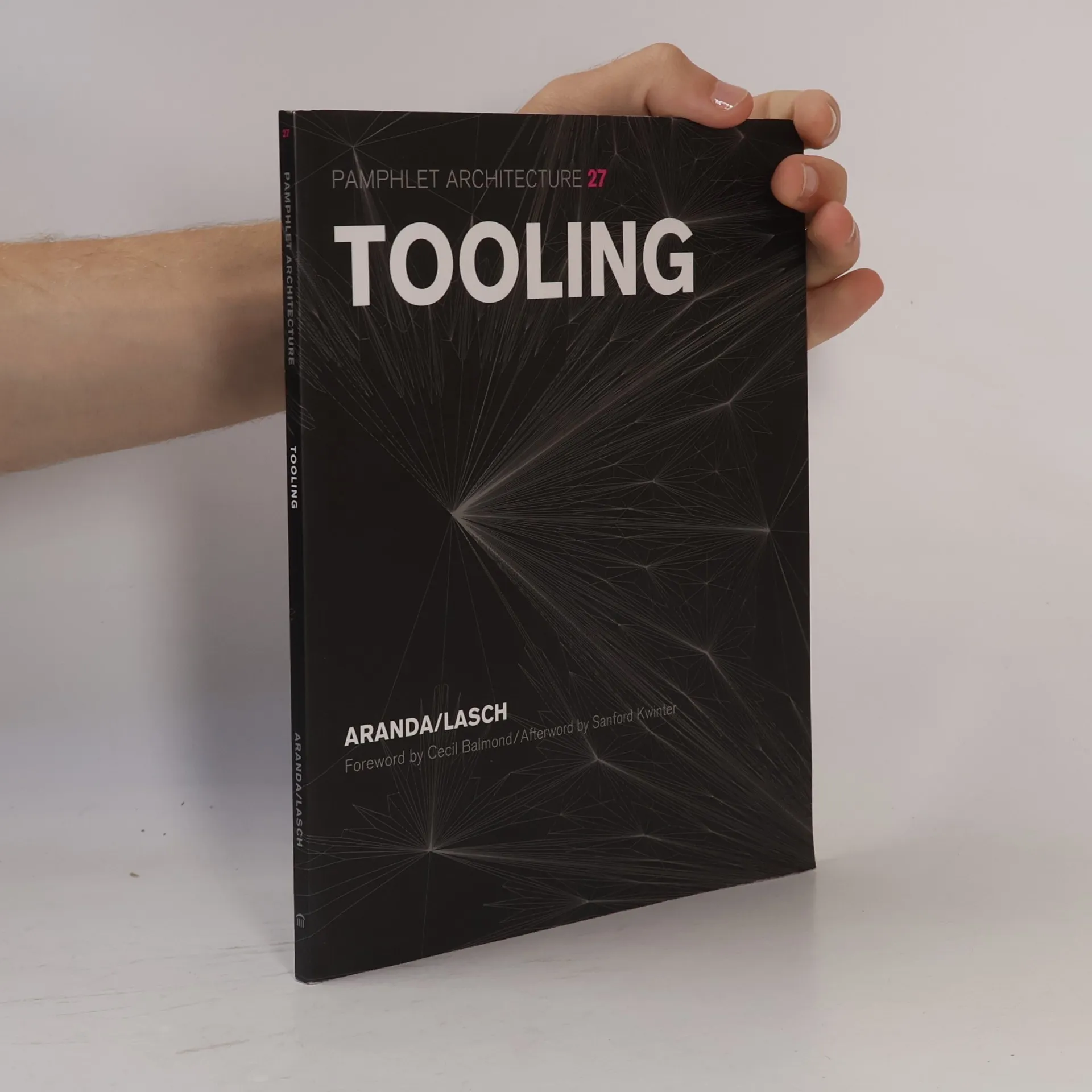
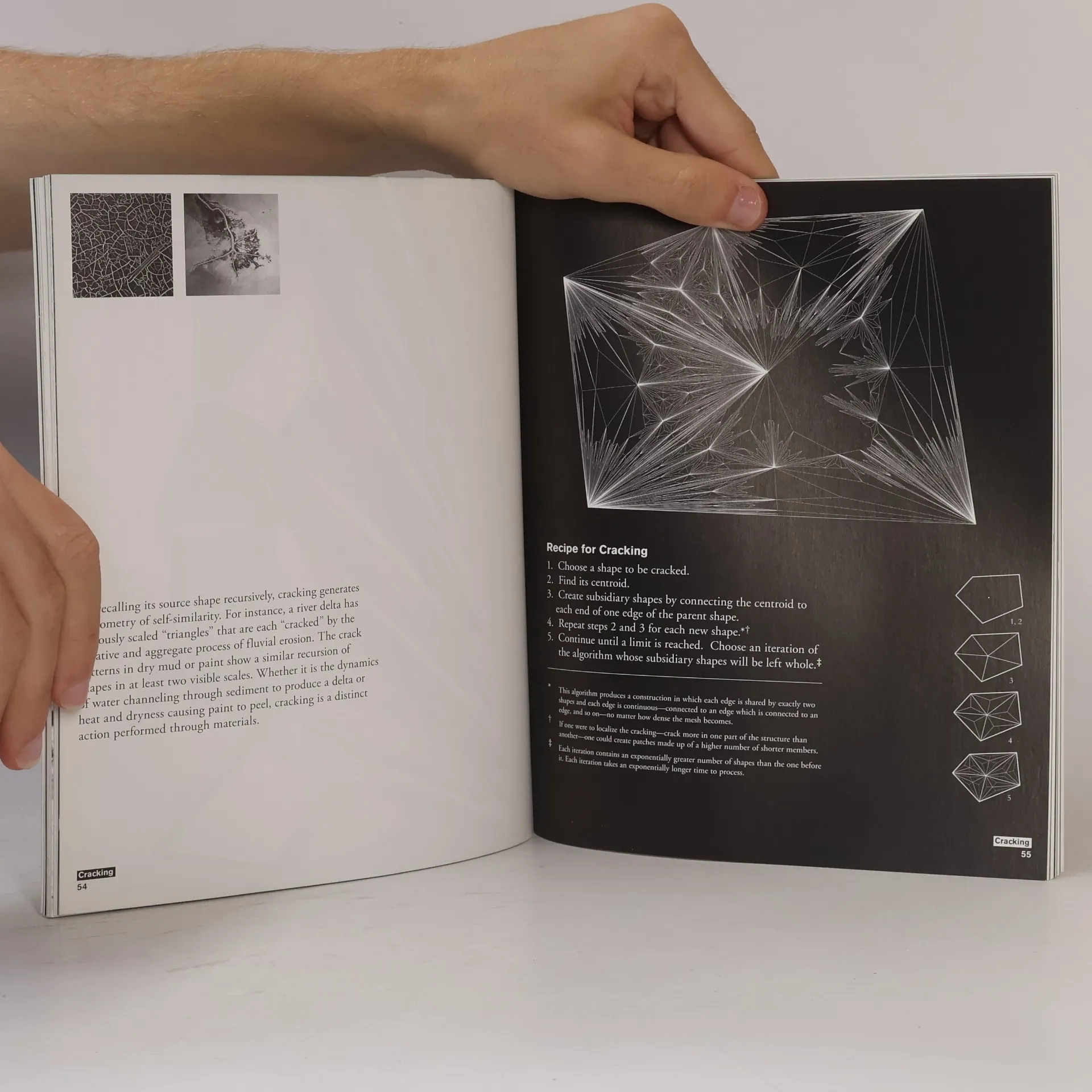
We all know that today's architectural design has moved from the sketchpad to the screenthe era of the Mayline and the drafting board now seems downright Paleolithicbut techniques for using the computer not just as a tool for rendering but as a generative instrument remain woefully unexplored. In Tooling , the latest installment in our renowned Pamphlet Architecture series, the technologically progressive young firm Aranda/Lasch illustrates how advanced computational methods and algorithmic codes can be used to foster architectural design. Tooling explores patterns generated by computer codes that in turn create an organizational template assembling projects. By openly sharing these codes, the authors seek to foster further investigation into their methods, allowing other architects to model and evolve more critical and insightful geometries and patterns.
Nákup knihy
Tooling, Cecil Balmond, Benjamin Aranda, Sanford Kwinter, Chris Lasch
- Jazyk

- Rok vydania
- 2005
- Väzba
- (mäkká),
- Stav knihy
- Veľmi dobrá
- Cena
- 3,19 €
Doručenie
Platobné metódy
Nikto zatiaľ neohodnotil.
- Titul
- Tooling
- Podtitul
- Tooling
- Jazyk
- anglicky
- Vydavateľ
- Princeton Architectural Press
- Rok vydania
- 2005
- Väzba
- mäkká
- Počet strán
- 96
- ISBN10
- 1568985479
- ISBN13
- 9781568985473
- Série
- Štítky
- Architektúra
- Anotácia
- We all know that today's architectural design has moved from the sketchpad to the screenthe era of the Mayline and the drafting board now seems downright Paleolithicbut techniques for using the computer not just as a tool for rendering but as a generative instrument remain woefully unexplored. In Tooling , the latest installment in our renowned Pamphlet Architecture series, the technologically progressive young firm Aranda/Lasch illustrates how advanced computational methods and algorithmic codes can be used to foster architectural design. Tooling explores patterns generated by computer codes that in turn create an organizational template assembling projects. By openly sharing these codes, the authors seek to foster further investigation into their methods, allowing other architects to model and evolve more critical and insightful geometries and patterns.