

Viac o knihe
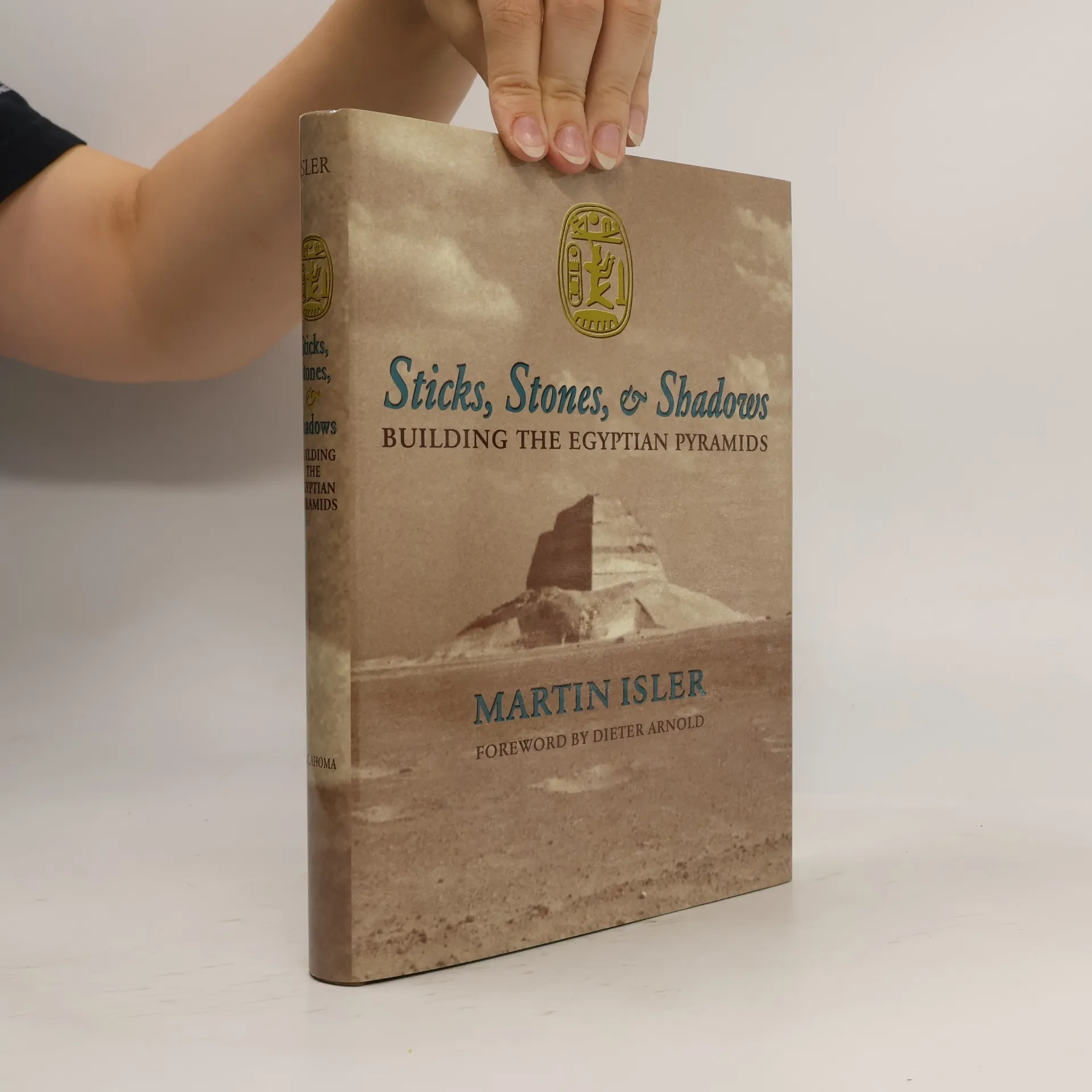
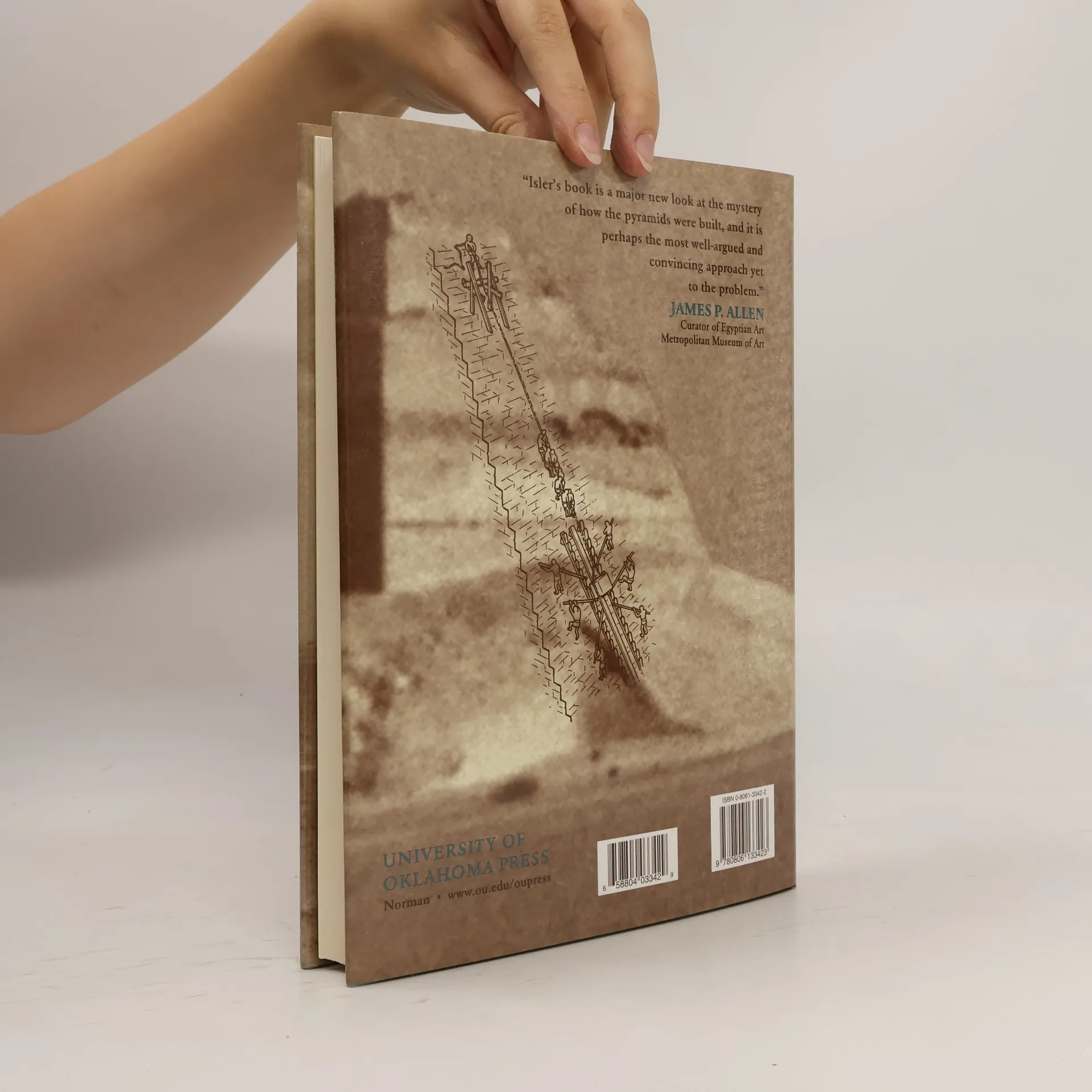
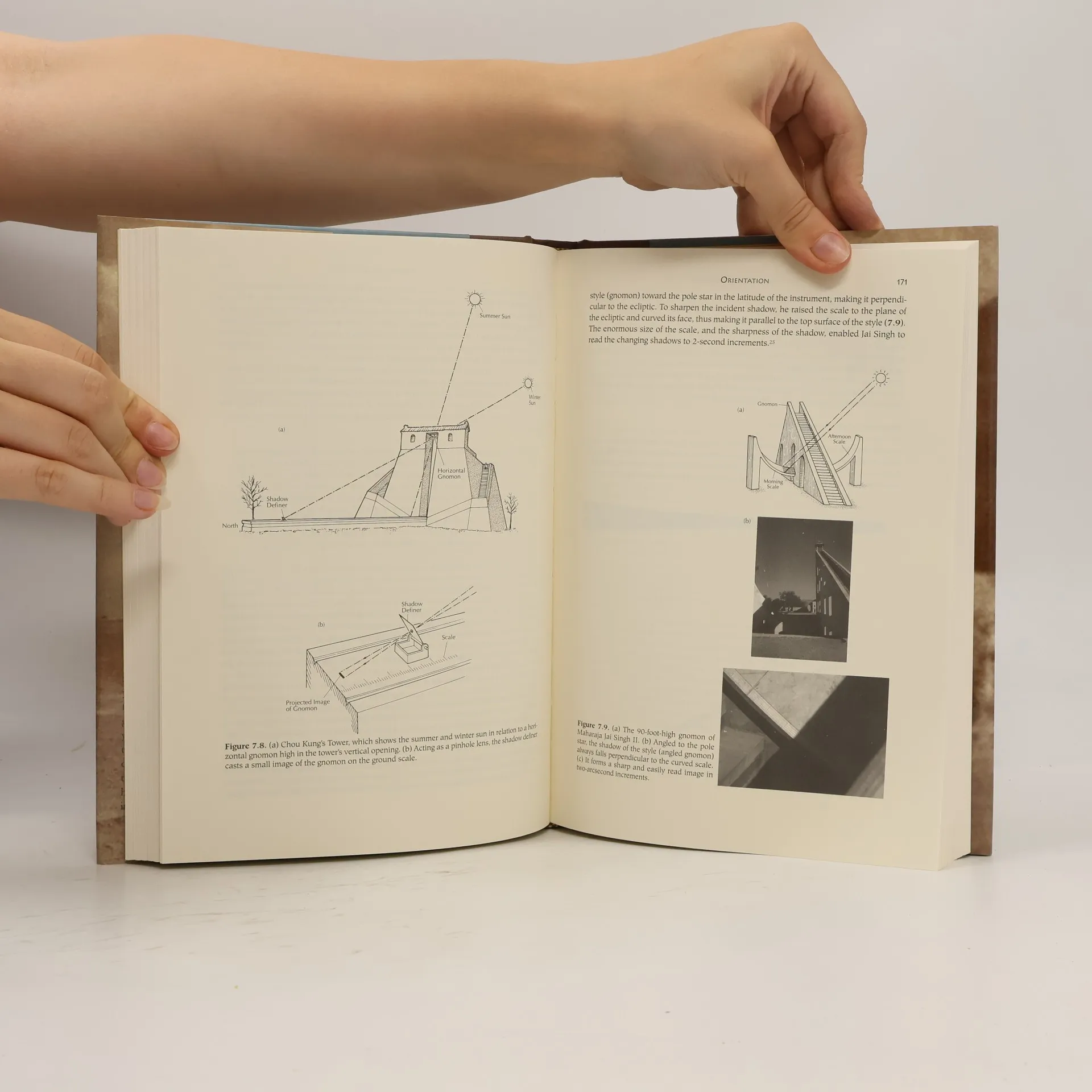
What do the pyramids of Egypt really represent? What could have driven so many to so great, and often so dangerous, an effort? Was the motivation religious or practical? Richly illustrated with more than 300 photographs and drawings, Sticks, Stones, and Shadows presents an entirely original approach to the subject of pyramid building. Unlike other books discussing these majestic structures, this book reveals the connection between devices that served both a practical need for survival and a spiritual belief in gods and goddesses. Few have closely examined Egyptian technologies and techniques from the origins of pyramid development to the step-by-step details of how the ground was leveled, how the site was oriented, and how the stone was raised and placed to meet at a distant point in the sky. Nevertheless, this is much more than a how-to-do-it book. Martin Isler also asks and answers questions virtually ignored for the last century. He discloses, for example, the ancient use of shadows--now denigrated to the ornamental back-yard sundial--but once an important tool for telling the height of an object, geographical directions, the seasons of the year, and the time of day. Isler also reinterprets the ancient "stretching of the cord" ceremony, which once was thought to have only religious significance but here is shown as the means of establishing the sides of a pyramid.
Nákup knihy
Sticks, Stones, and Shadows, Martin Isler, Andy Meisler, Dieter Arnold
- Jazyk

- Rok vydania
- 2001
- Väzba
- (pevná)
Doručenie
Platobné metódy
Nikto zatiaľ neohodnotil.
- Titul
- Sticks, Stones, and Shadows
- Jazyk
- anglicky
- Autori
- Martin Isler, Andy Meisler, Dieter Arnold
- Vydavateľ
- University of Oklahoma Press
- Rok vydania
- 2001
- Väzba
- pevná
- Počet strán
- 352
- ISBN10
- 0806133422
- ISBN13
- 9780806133423
- Série
- Štítky
- Historické téma, USA, Starovek, antika, Archeológia, Egypt, Staroveký Egypt, Egyptológia, Pyramídy, Staroveká architektúra
- Anotácia
- What do the pyramids of Egypt really represent? What could have driven so many to so great, and often so dangerous, an effort? Was the motivation religious or practical? Richly illustrated with more than 300 photographs and drawings, Sticks, Stones, and Shadows presents an entirely original approach to the subject of pyramid building. Unlike other books discussing these majestic structures, this book reveals the connection between devices that served both a practical need for survival and a spiritual belief in gods and goddesses. Few have closely examined Egyptian technologies and techniques from the origins of pyramid development to the step-by-step details of how the ground was leveled, how the site was oriented, and how the stone was raised and placed to meet at a distant point in the sky. Nevertheless, this is much more than a how-to-do-it book. Martin Isler also asks and answers questions virtually ignored for the last century. He discloses, for example, the ancient use of shadows--now denigrated to the ornamental back-yard sundial--but once an important tool for telling the height of an object, geographical directions, the seasons of the year, and the time of day. Isler also reinterprets the ancient "stretching of the cord" ceremony, which once was thought to have only religious significance but here is shown as the means of establishing the sides of a pyramid.