


Parametre
- 256 stránok
- 9 hodin čítania
Viac o knihe
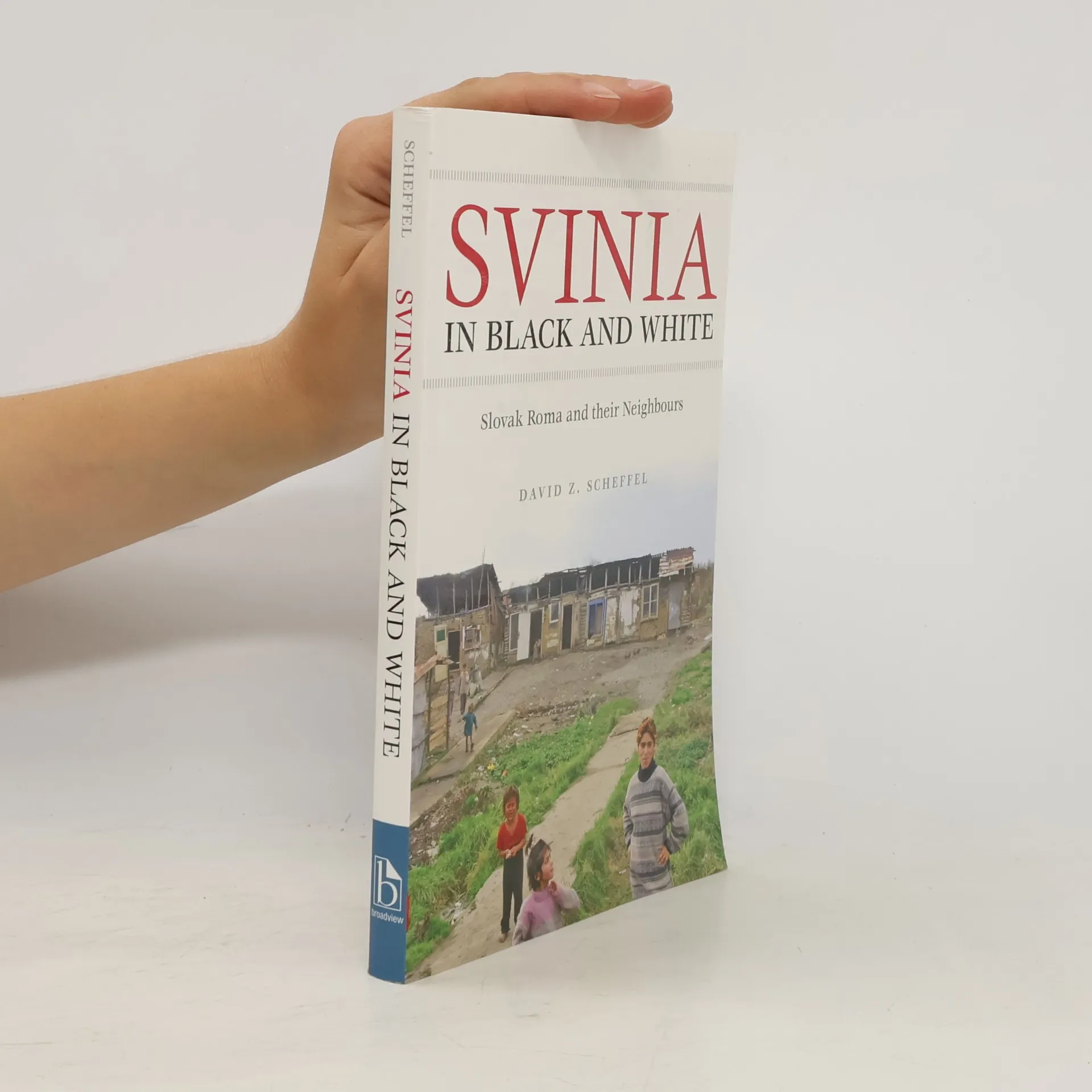
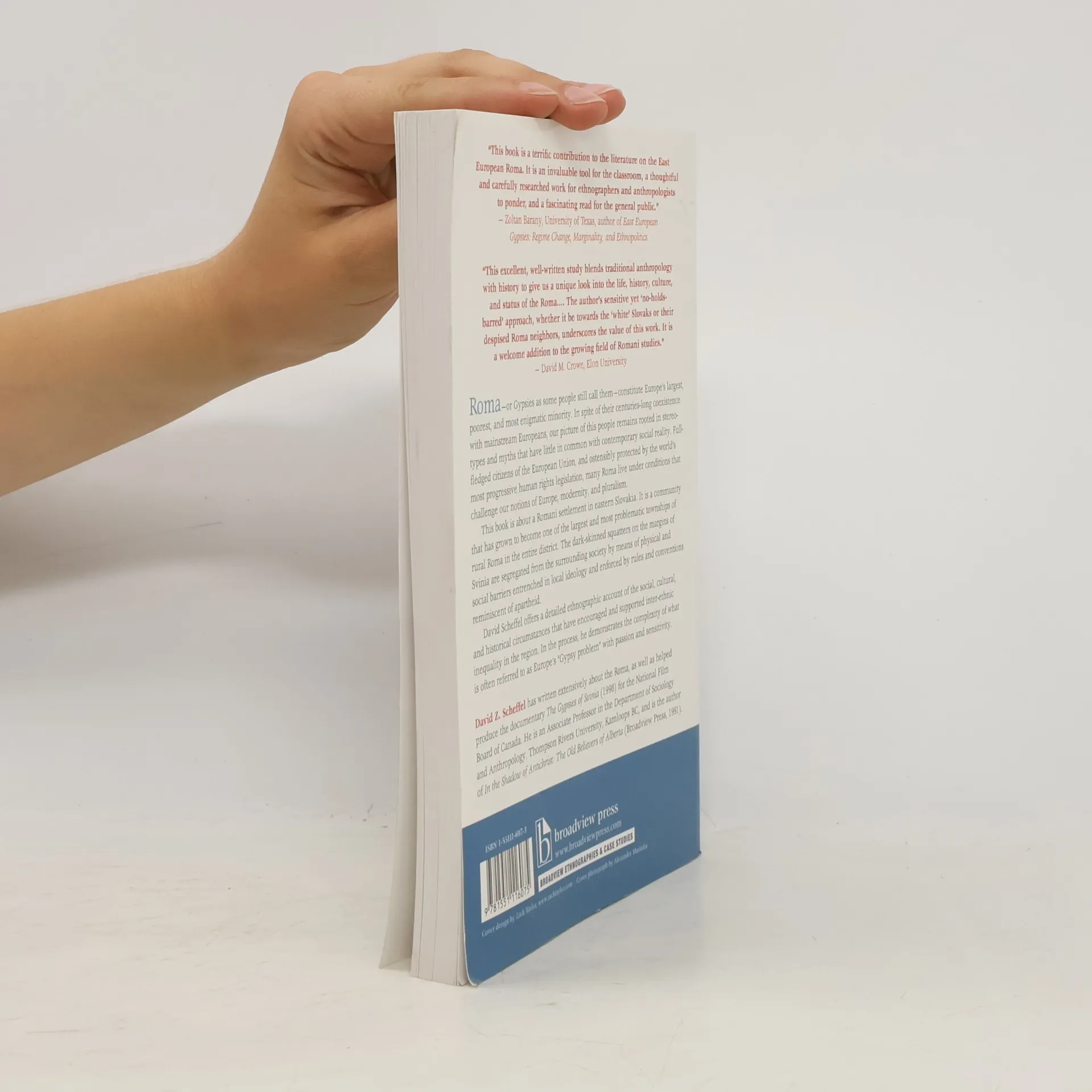
Roma—or Gypsies as some people still call them—constitute Europe's largest, poorest, and most enigmatic minority. In spite of their centuries-long coexistence with mainstream Europeans, our picture of this people remains rooted in stereotypes and myths that have little in common with contemporary social reality. Full-fledged citizens of the European Union, and ostensibly protected by the world's most progressive human rights legislation, many Roma live under conditions that challenge our notions of Europe, modernity, and pluralism. This book is about a Romani settlement in eastern Slovakia. It is a community that has grown to become one of the largest and most problematic townships of rural Roma in the entire district. The dark-skinned squatters on the margins of Svinia are segregated from the surrounding society by means of physical and social barriers entrenched in local ideology and enforced by rules and conventions reminiscent of apartheid. David Scheffel offers a detailed ethnographic account of the social, cultural, and historical circumstances that have encouraged and supported inter-ethnic inequality in the region. In the process, he demonstrates the complexity of what is often referred to as Europe's "Gypsy problem" with passion and sensitivity.
Nákup knihy
Broadview Ethnographies & Case Studies: Svinia in Black and White, David Z. Scheffel
- Jazyk

- Rok vydania
- 2005
- Väzba
- (mäkká),
- Stav knihy
- Dobrá
- Cena
- 3,99 €
Nikto zatiaľ neohodnotil.
- Titul
- Broadview Ethnographies & Case Studies: Svinia in Black and White
- Podtitul
- Slovak Roma and Their Neighbours
- Jazyk
- anglicky
- Autori
- David Z. Scheffel
- Vydavateľ
- University of Toronto Press
- Rok vydania
- 2005
- Väzba
- mäkká
- Počet strán
- 256
- ISBN10
- 1551116073
- ISBN13
- 9781551116075
- Série
- Štítky
- Historické téma, Politické teórie, Medzinárodné vzťahy, Slovensko, Východná Európa, Diskriminácia, Spoločenské pomery, Etnické vzťahy
- Anotácia
- Roma—or Gypsies as some people still call them—constitute Europe's largest, poorest, and most enigmatic minority. In spite of their centuries-long coexistence with mainstream Europeans, our picture of this people remains rooted in stereotypes and myths that have little in common with contemporary social reality. Full-fledged citizens of the European Union, and ostensibly protected by the world's most progressive human rights legislation, many Roma live under conditions that challenge our notions of Europe, modernity, and pluralism. This book is about a Romani settlement in eastern Slovakia. It is a community that has grown to become one of the largest and most problematic townships of rural Roma in the entire district. The dark-skinned squatters on the margins of Svinia are segregated from the surrounding society by means of physical and social barriers entrenched in local ideology and enforced by rules and conventions reminiscent of apartheid. David Scheffel offers a detailed ethnographic account of the social, cultural, and historical circumstances that have encouraged and supported inter-ethnic inequality in the region. In the process, he demonstrates the complexity of what is often referred to as Europe's "Gypsy problem" with passion and sensitivity.