


Viac o knihe
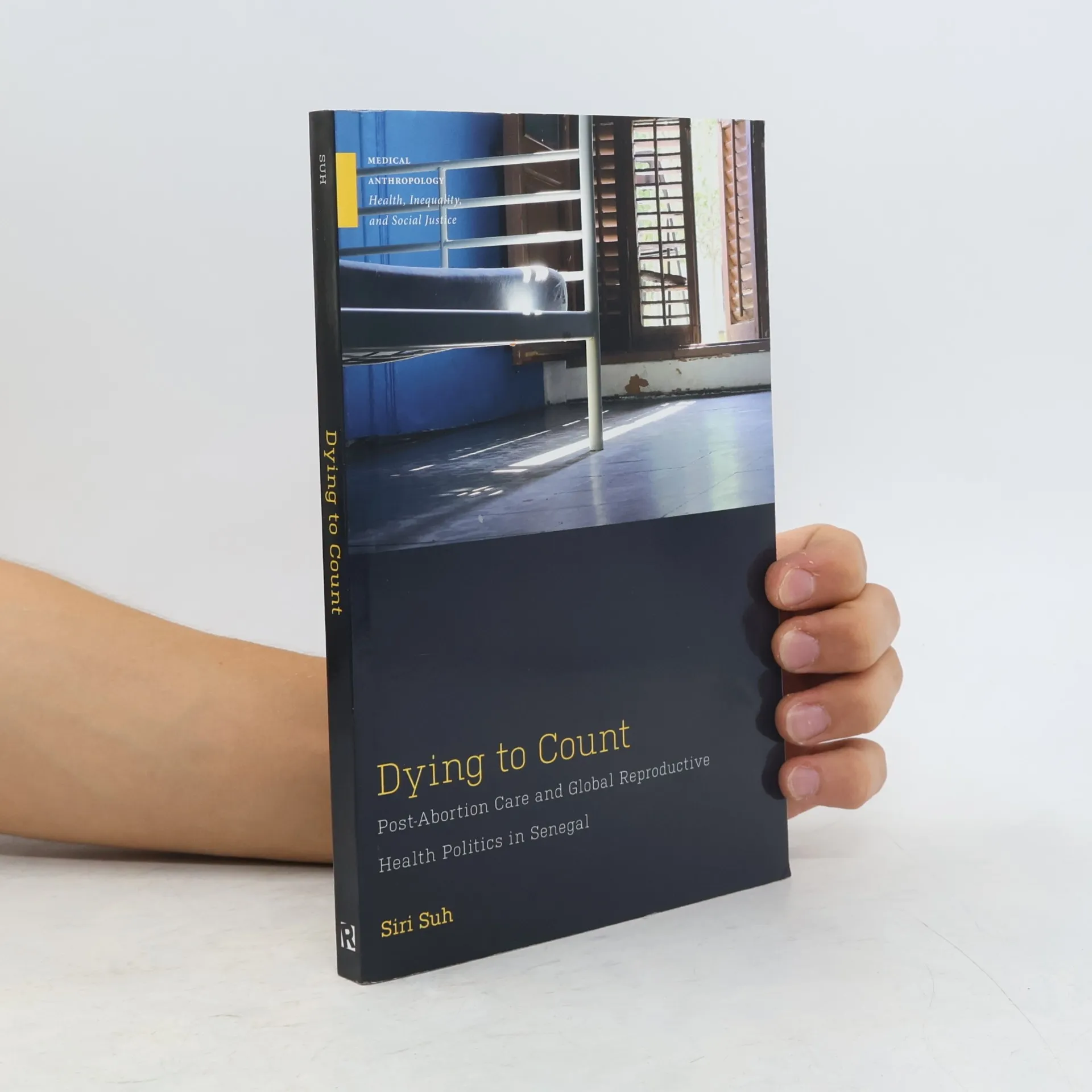
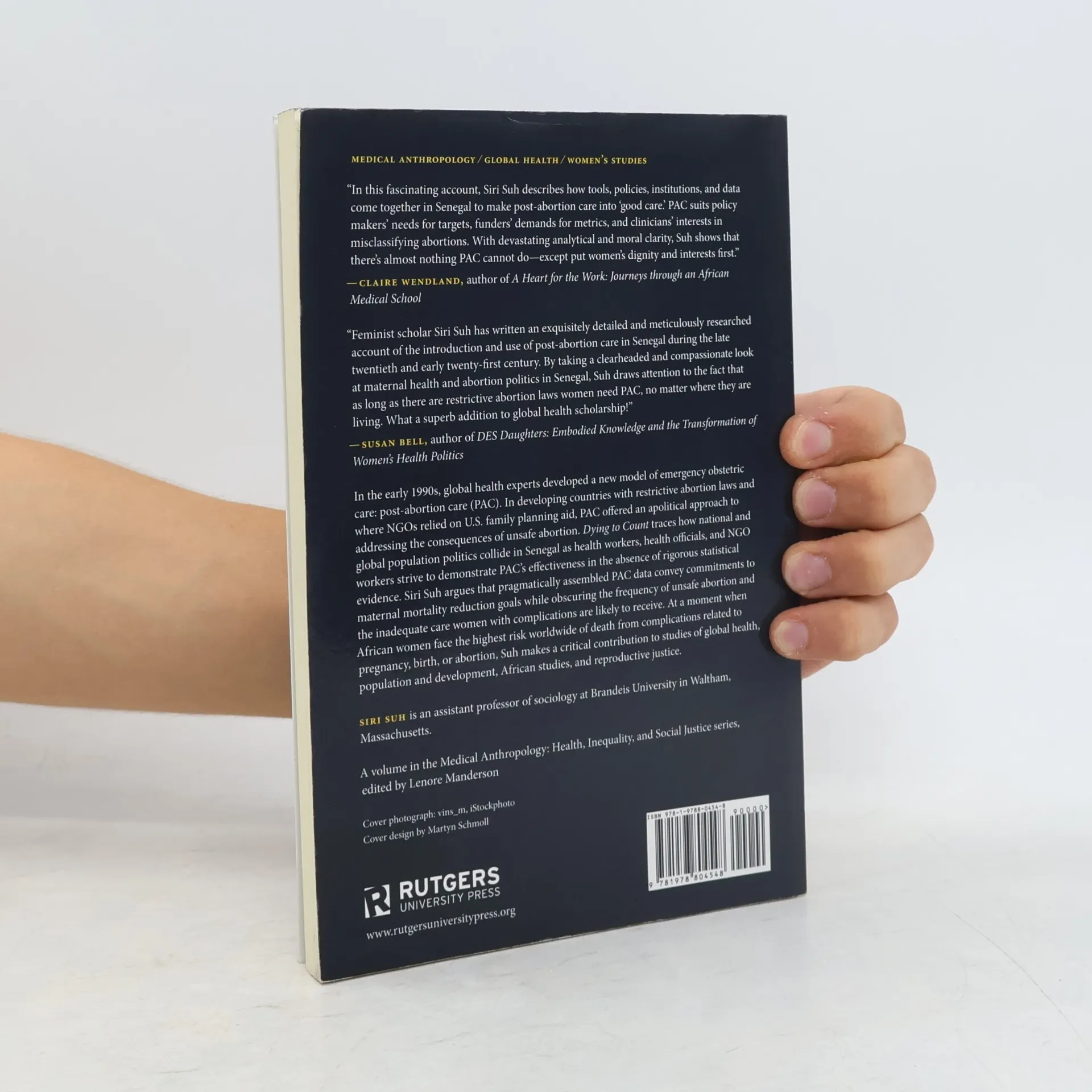
During the early 1990s, global health experts developed a new model of emergency obstetric care: post-abortion care or PAC. In developing countries with restrictive abortion laws and where NGOs relied on US family planning aid, PAC offered an apolitical approach to addressing the consequences of unsafe abortion. In Dying to Count , Siri Suh traces how national and global population politics collide in Senegal as health workers, health officials, and NGO workers strive to demonstrate PAC’s effectiveness in the absence of rigorous statistical evidence that the intervention reduces maternal mortality. Suh argues that pragmatically assembled PAC data convey commitments to maternal mortality reduction goals while obscuring the frequency of unsafe abortion and the inadequate care women with complications are likely to receive if they manage to reach a hospital. At a moment when African women face the highest risk worldwide of death from complications related to pregnancy, birth, or abortion, Suh’s ethnography of PAC in Senegal makes a critical contribution to studies of global health, population and development, African studies, and reproductive justice.
Nákup knihy
Medical Anthropology: Health, Inequality, and Social Justice: Dying to Count, Siri Suh
- Jazyk

- Rok vydania
- 2021
- Väzba
- (mäkká),
- Stav knihy
- Dobrá
- Cena
- 17,99 €
Doručenie
Platobné metódy
Nikto zatiaľ neohodnotil.
- Titul
- Medical Anthropology: Health, Inequality, and Social Justice: Dying to Count
- Podtitul
- Post-Abortion Care and Global Reproductive Health Politics in Senegal
- Jazyk
- anglicky
- Autori
- Siri Suh
- Vydavateľ
- Rutgers University Press
- Rok vydania
- 2021
- Väzba
- mäkká
- Počet strán
- 226
- ISBN10
- 1978804547
- ISBN13
- 9781978804548
- Série
- Štítky
- Zdravie, Medicína, Afrika, Tehotenstvo, Vývoj, Porodníctvo, Potrat, Obyvatelia
- Anotácia
- During the early 1990s, global health experts developed a new model of emergency obstetric care: post-abortion care or PAC. In developing countries with restrictive abortion laws and where NGOs relied on US family planning aid, PAC offered an apolitical approach to addressing the consequences of unsafe abortion. In Dying to Count , Siri Suh traces how national and global population politics collide in Senegal as health workers, health officials, and NGO workers strive to demonstrate PAC’s effectiveness in the absence of rigorous statistical evidence that the intervention reduces maternal mortality. Suh argues that pragmatically assembled PAC data convey commitments to maternal mortality reduction goals while obscuring the frequency of unsafe abortion and the inadequate care women with complications are likely to receive if they manage to reach a hospital. At a moment when African women face the highest risk worldwide of death from complications related to pregnancy, birth, or abortion, Suh’s ethnography of PAC in Senegal makes a critical contribution to studies of global health, population and development, African studies, and reproductive justice.