


Parametre
- 408 stránok
- 15 hodin čítania
Viac o knihe
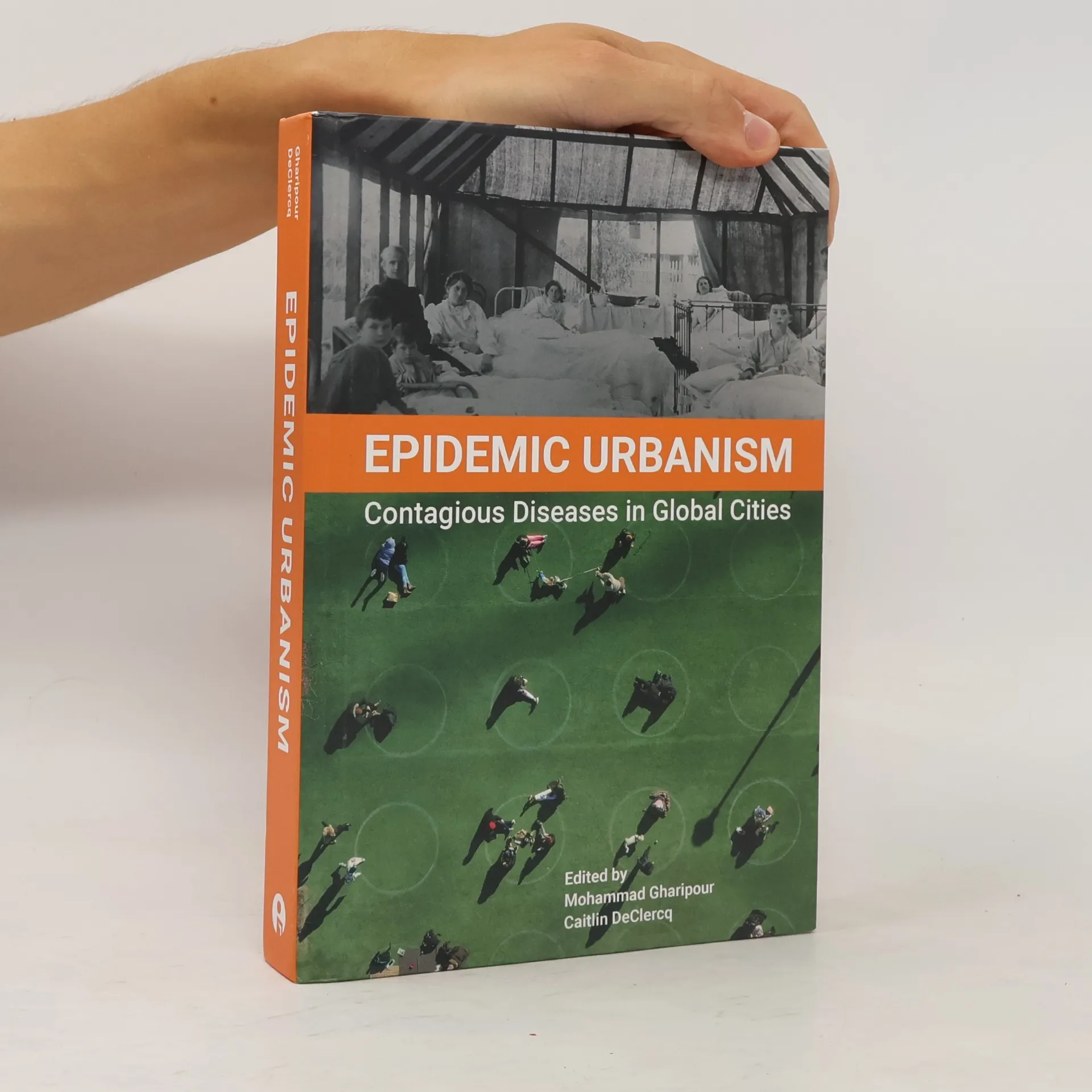
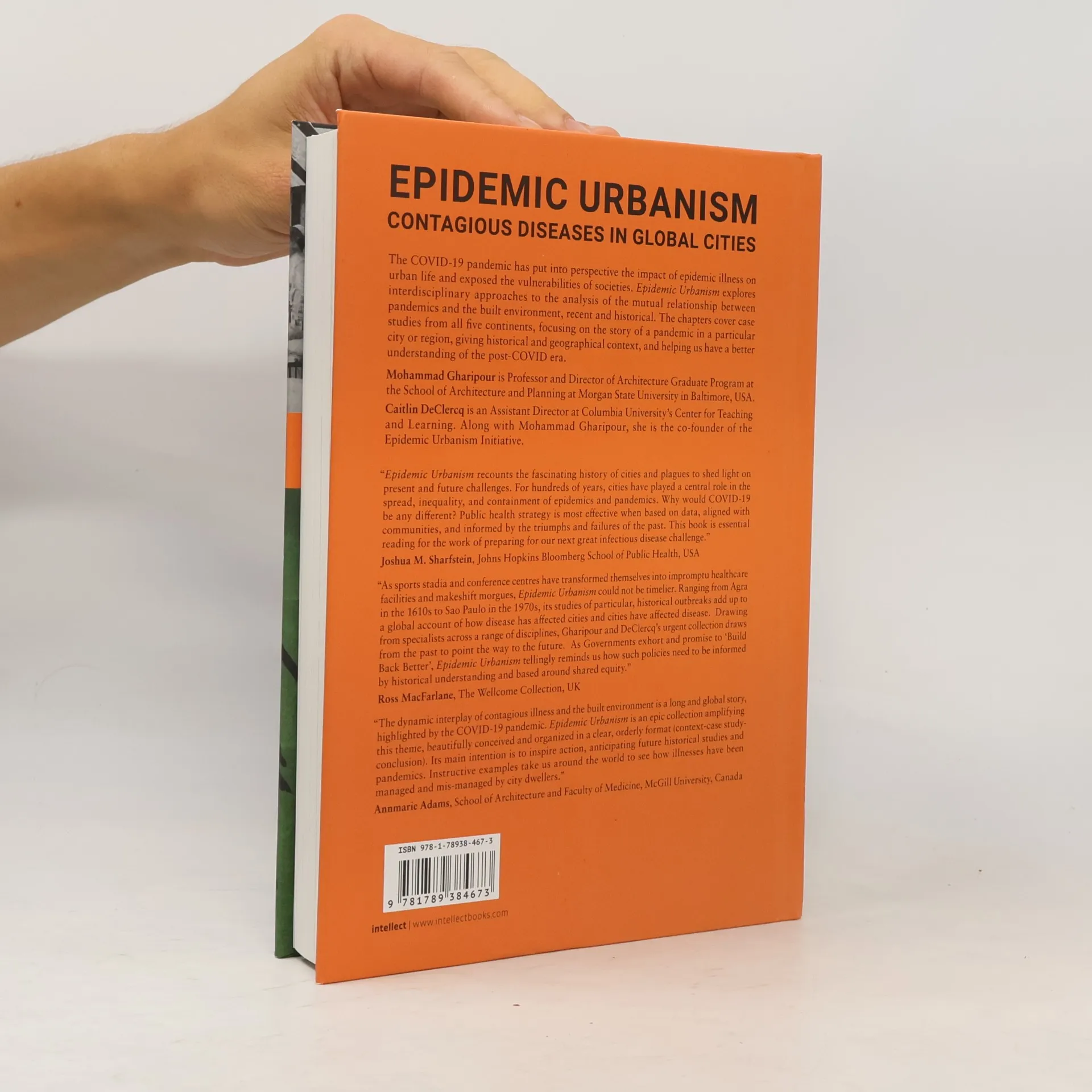
Thirty-six interdisciplinary essays analyze the mutual relationship between historical epidemics and the built environment. Epidemic illnesses--not only a product of biology, but also social and cultural phenomena--are as old as cities themselves. The outbreak of COVID-19 in late 2019 brought the effects of epidemic illness on urban life into sharp focus, exposing the vulnerabilities of the societies it ravages as much as the bodies it infects. How might insights from the outbreak and responses to previous urban epidemics inform our understanding of the current world? With these questions in mind, Epidemic Urbanism gathers scholarship from a range of disciplines--including history, public health, sociology, anthropology, and medicine--to present historical case studies from across the globe, each demonstrating how cities are not just the primary place of exposure and quarantine, but also the site and instrument of intervention. They also demonstrate how epidemic illnesses, and responses to them, exploit and amplify social inequality in the communities they touch. Illustrated with more than 150 historical images, the essays illuminate the profound, complex ways epidemics have shaped the world around us and convey this information in a way that meaningfully engages a public readership.
Nákup knihy
Epidemic Urbanism, Mohammad Gharipour, Caitlin DeClercq
- Jazyk

- Rok vydania
- 2021
- Väzba
- (pevná),
- Stav knihy
- Veľmi dobrá
- Cena
- 53,99 €
Nikto zatiaľ neohodnotil.
- Titul
- Epidemic Urbanism
- Podtitul
- Contagious Diseases in Global Cities
- Jazyk
- anglicky
- Vydavateľ
- Intellect Ltd
- Rok vydania
- 2021
- Väzba
- pevná
- Počet strán
- 408
- ISBN10
- 1789384672
- ISBN13
- 9781789384673
- Série
- Štítky
- Anotácia
- Thirty-six interdisciplinary essays analyze the mutual relationship between historical epidemics and the built environment. Epidemic illnesses--not only a product of biology, but also social and cultural phenomena--are as old as cities themselves. The outbreak of COVID-19 in late 2019 brought the effects of epidemic illness on urban life into sharp focus, exposing the vulnerabilities of the societies it ravages as much as the bodies it infects. How might insights from the outbreak and responses to previous urban epidemics inform our understanding of the current world? With these questions in mind, Epidemic Urbanism gathers scholarship from a range of disciplines--including history, public health, sociology, anthropology, and medicine--to present historical case studies from across the globe, each demonstrating how cities are not just the primary place of exposure and quarantine, but also the site and instrument of intervention. They also demonstrate how epidemic illnesses, and responses to them, exploit and amplify social inequality in the communities they touch. Illustrated with more than 150 historical images, the essays illuminate the profound, complex ways epidemics have shaped the world around us and convey this information in a way that meaningfully engages a public readership.