

Viac o knihe
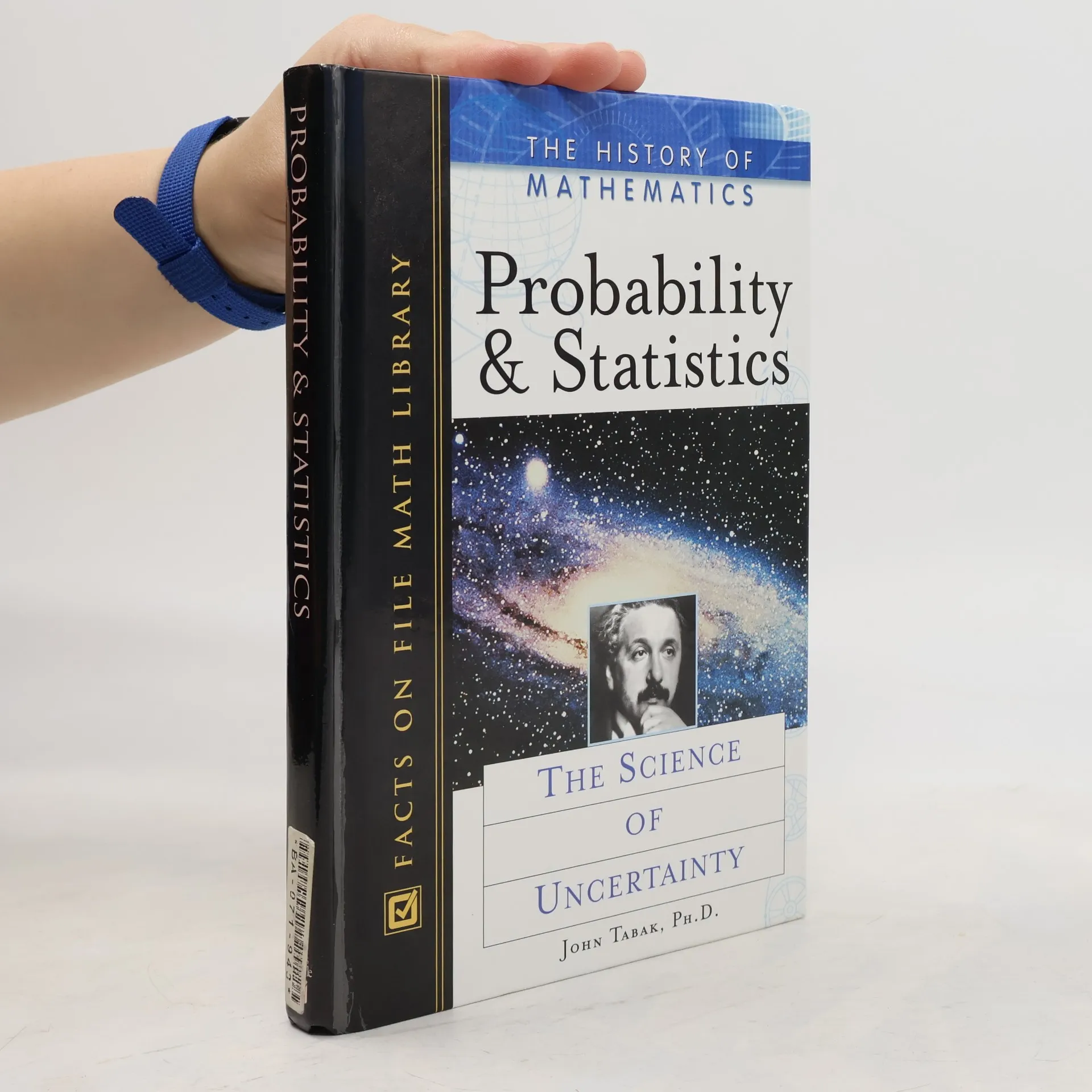
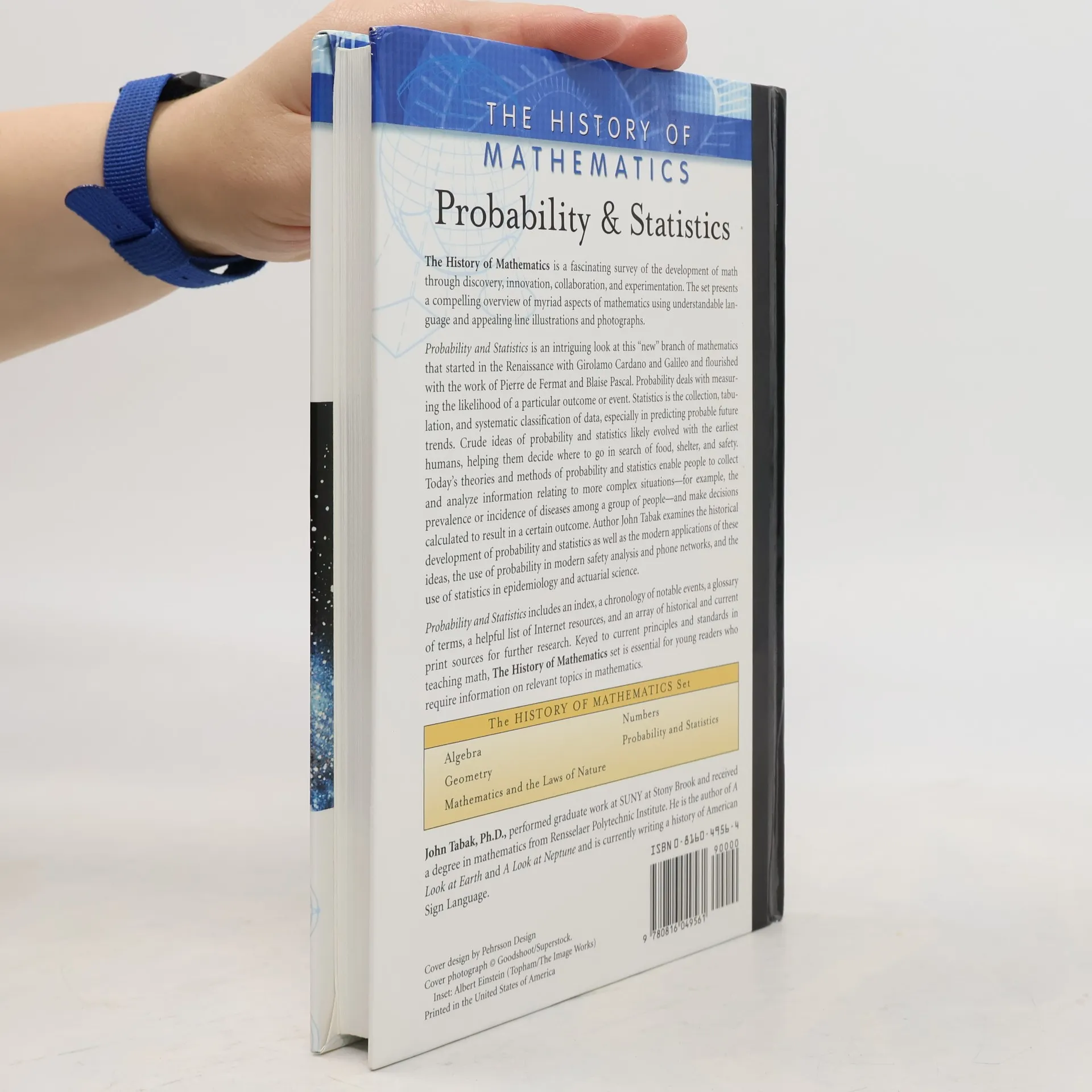
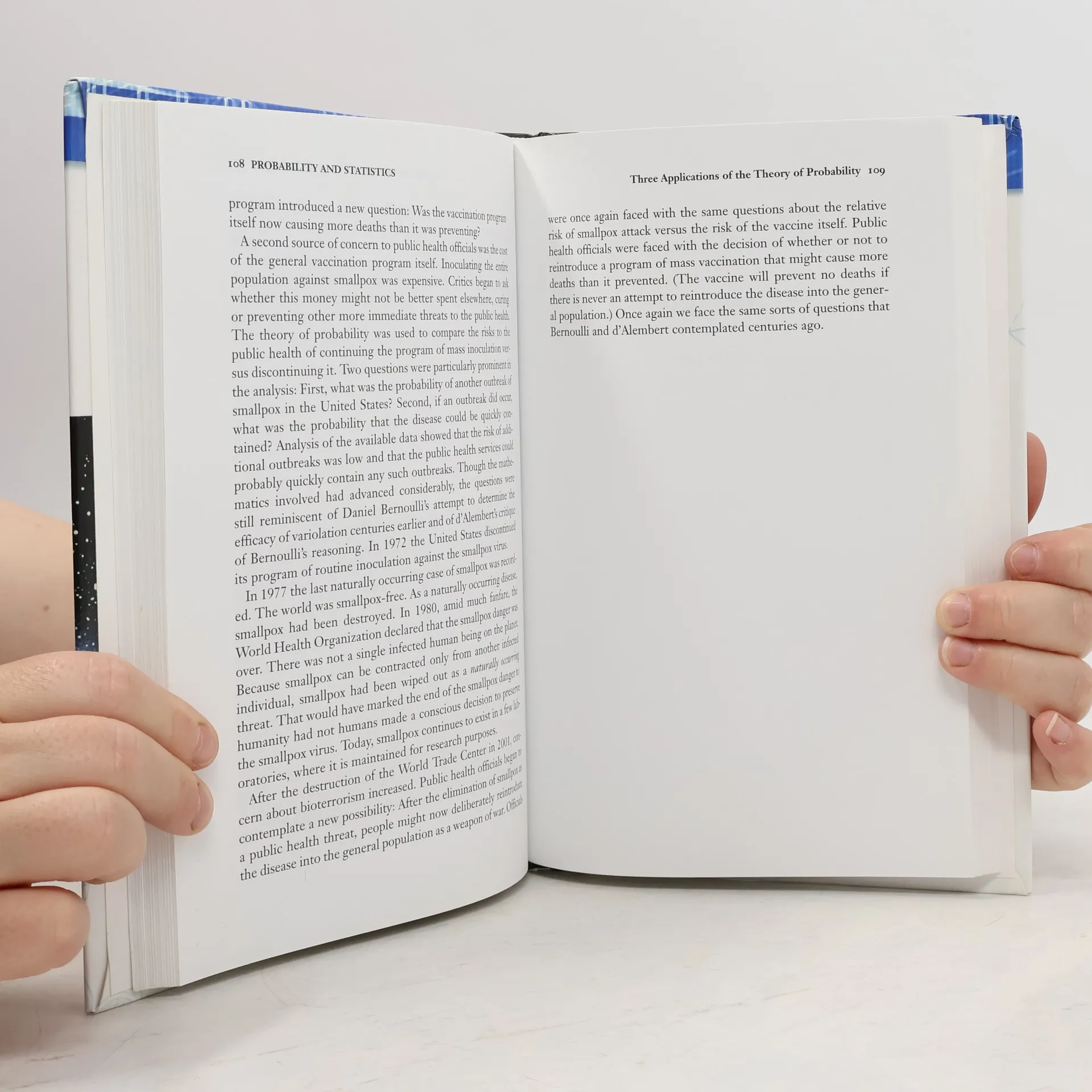
Probability deals with measuring the likelihood of a particular outcome or event. Statistics is the collection, tabulation, and systematic classification of data, especially for use in predicting probable future trends. Crude ideas of probability and statistics likely evolved with the earliest humans, helping them decide where to go in search of food, shelter, and safety. Today's theories and methods of probability and statistics enable people to collect and analyze information relating to more complex situations than in the past, for example the prevalence or incidence of diseases among a group of people, and make decisions calculated to result in a certain outcome. this branch of mathematical investigation. Covering everything from ancient games of chance played around the world and the theories of Fermat and Pascal to the specious use of statistics, phrenology, and statistical methods to stop epidemics, this book offers a comprehensive look at the historical development and uses of probability and statistics. Modern applications of these ideas, the use of probability in modern safety analysis and phone networks, and the use of statistics in epidemiology and actuarial science, are also presented in this clearly written and illustrated reference.
Nákup knihy
Probability and Statistics, John Tabak
- Jazyk

- Rok vydania
- 2004
- Väzba
- (pevná),
- Stav knihy
- Poškodená
- Cena
- 5,42 €
Nikto zatiaľ neohodnotil.
- Titul
- Probability and Statistics
- Podtitul
- The Science of Uncertainty
- Jazyk
- anglicky
- Autori
- John Tabak
- Vydavateľ
- Facts on File
- Rok vydania
- 2004
- Väzba
- pevná
- Počet strán
- 226
- ISBN10
- 0816049564
- ISBN13
- 9780816049561
- Série
- Kategórie
- Štítky
- Veda
- Anotácia
- Probability deals with measuring the likelihood of a particular outcome or event. Statistics is the collection, tabulation, and systematic classification of data, especially for use in predicting probable future trends. Crude ideas of probability and statistics likely evolved with the earliest humans, helping them decide where to go in search of food, shelter, and safety. Today's theories and methods of probability and statistics enable people to collect and analyze information relating to more complex situations than in the past, for example the prevalence or incidence of diseases among a group of people, and make decisions calculated to result in a certain outcome. this branch of mathematical investigation. Covering everything from ancient games of chance played around the world and the theories of Fermat and Pascal to the specious use of statistics, phrenology, and statistical methods to stop epidemics, this book offers a comprehensive look at the historical development and uses of probability and statistics. Modern applications of these ideas, the use of probability in modern safety analysis and phone networks, and the use of statistics in epidemiology and actuarial science, are also presented in this clearly written and illustrated reference.