

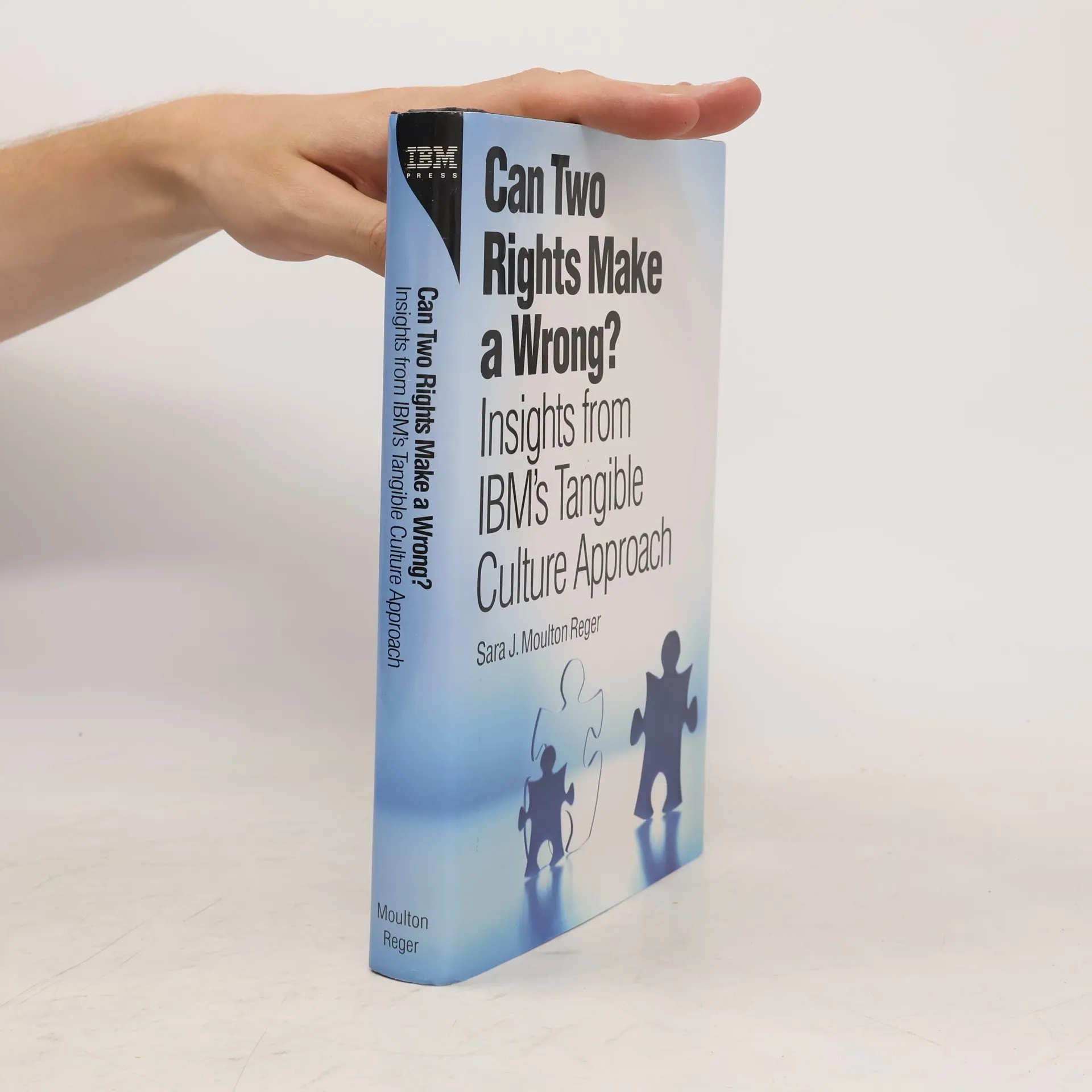


Viac o knihe
This book is for those who struggle to engage with management literature, presenting a compelling narrative that explores three significant ideas. These concepts fit into a practical alignment tool addressing everyday and exceptional challenges faced by organizations, including transformational change. Experts in cultural transformation praise it as a thoughtful strategy for fostering healthy workplace cultures. It stands out as a practical resource for managing the 'soft side' of mergers and acquisitions and offers valuable insights applicable to various business practices, such as Open Innovation. The authors provide effective methods for identifying conflicts, developing alignment, and coordinating efforts between parties, making it beneficial for collaborations like alliances and joint ventures. The book emphasizes the importance of understanding organizational culture and its connection to bottom-line benefits. Leaders aiming to change their organization’s culture or merge differing cultures will find it essential. The authors break down complex concepts into manageable pieces, making them accessible for leadership teams. This work takes culture seriously, offering a method applicable to numerous business challenges while grounding its insights in research and theory. The unique ideas presented are crystallized and focused, contributing significantly to the discourse on organizational culture.
Nákup knihy
Can Two Rights Make A Wrong?, Sara J. Moulton Reger
- Jazyk

- Rok vydania
- 2005
- Väzba
- (pevná),
- Stav knihy
- Veľmi dobrá
- Cena
- 1,59 €
Nikto zatiaľ neohodnotil.
- Titul
- Can Two Rights Make A Wrong?
- Podtitul
- Insights from IBM's Tangible Culture Approach
- Jazyk
- anglicky
- Autori
- Sara J. Moulton Reger
- Vydavateľ
- IBM Pr
- Rok vydania
- 2005
- Väzba
- pevná
- Počet strán
- 273
- ISBN10
- 0131732943
- ISBN13
- 9780131732940
- Série
- Štítky
- Byznys, Vedenie, Firemná kultúra
- Anotácia
- This book is for those who struggle to engage with management literature, presenting a compelling narrative that explores three significant ideas. These concepts fit into a practical alignment tool addressing everyday and exceptional challenges faced by organizations, including transformational change. Experts in cultural transformation praise it as a thoughtful strategy for fostering healthy workplace cultures. It stands out as a practical resource for managing the 'soft side' of mergers and acquisitions and offers valuable insights applicable to various business practices, such as Open Innovation. The authors provide effective methods for identifying conflicts, developing alignment, and coordinating efforts between parties, making it beneficial for collaborations like alliances and joint ventures. The book emphasizes the importance of understanding organizational culture and its connection to bottom-line benefits. Leaders aiming to change their organization’s culture or merge differing cultures will find it essential. The authors break down complex concepts into manageable pieces, making them accessible for leadership teams. This work takes culture seriously, offering a method applicable to numerous business challenges while grounding its insights in research and theory. The unique ideas presented are crystallized and focused, contributing significantly to the discourse on organizational culture.