



Parametre
- 306 stránok
- 11 hodin čítania
Viac o knihe
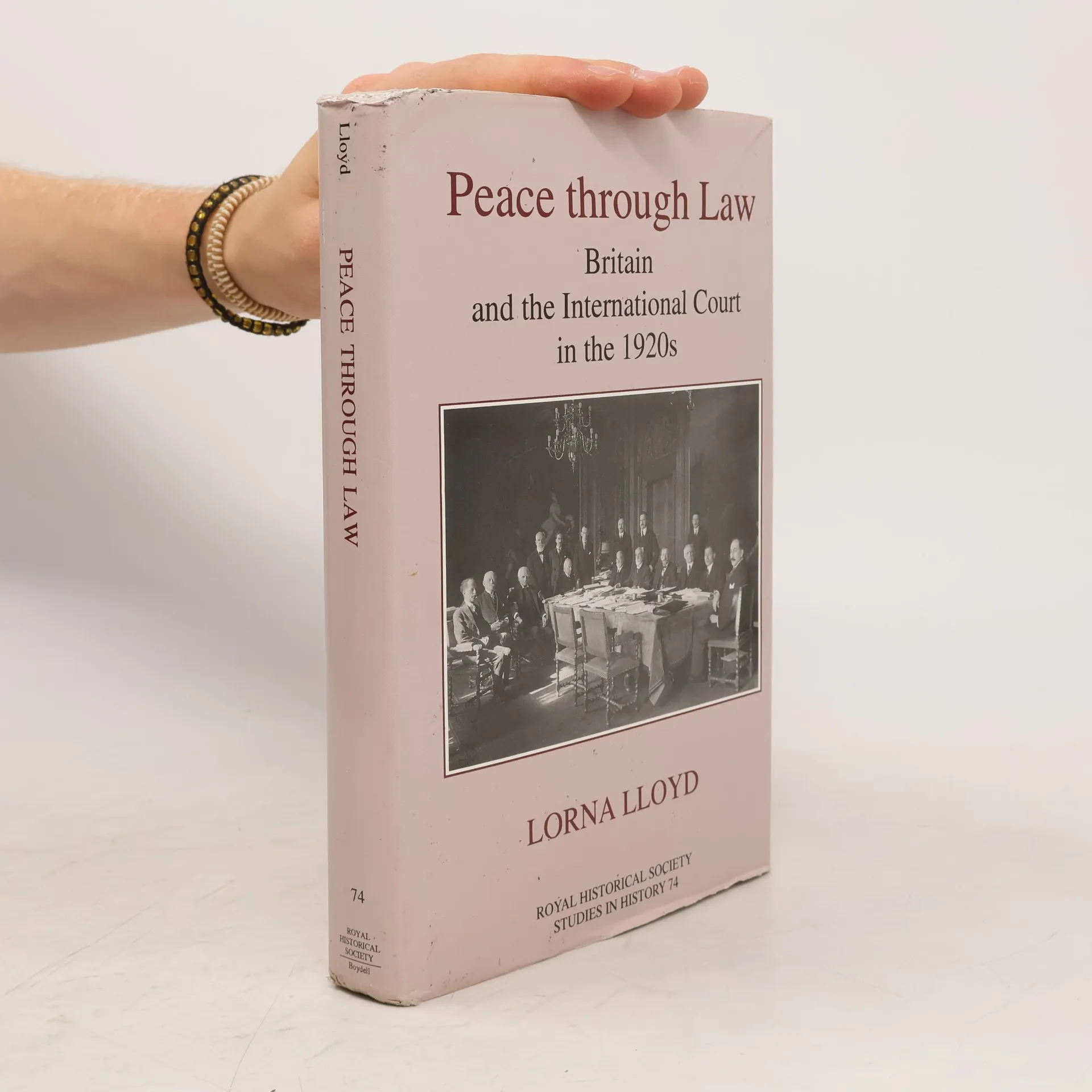
Lucid and meticulous... a significant contribution to the study both of British foreign policy and the League of Nations in the 1920s. ENGLISH HISTORICAL REVIEW This is the first book to examine the legal and political factors behind the policy of Britain and the British Dominions (Canada, Australia, South Africa, New Zealand and the Irish Free State) towards the League of Nations' attempt in the 1920s to persuade states to accept the compulsory jurisdiction of the Permanent Court of International Justice at The Hague. The British Government was initially publicly opposed to this, but the importance of the `peace through law' approach in Geneva and in British politics, and a favourable international climate, led Britain to accept compulsory adjudication by the end of the decade.The book is based on an exhaustive examination of British documents, and on discussions with one of the major British exponents of the `peace through law' approach, Philip Noel-Baker. It throws light on the attitudes of great powers towards international adjudication, and on an approach to peace that after years of neglect appears to have regained prominence with the ending of the Cold War.Dr LORNA LLOYD is Lecturer in International Relations at Keele University.
Nákup knihy
Peace through Law, Lorna Lloyd
- Jazyk

- Rok vydania
- 1997
- Väzba
- (pevná),
- Stav knihy
- Dobrá
- Cena
- 21,49 €
Nikto zatiaľ neohodnotil.
- Titul
- Peace through Law
- Podtitul
- Britain and the International Court in the 1920s (Royal Historical Society Studies in History)
- Jazyk
- anglicky
- Autori
- Lorna Lloyd
- Vydavateľ
- Royal Historical Society
- Rok vydania
- 1997
- Väzba
- pevná
- Počet strán
- 306
- ISBN10
- 0861932358
- ISBN13
- 9780861932351
- Série
- Kategórie
- Štítky
- Historické téma, Príručky a návody, Právna tematika, Politika, USA, Veľká Británia, Politické teórie, Medzinárodné vzťahy, Ľudské práva, Mier, Britské impérium
- Anotácia
- Lucid and meticulous... a significant contribution to the study both of British foreign policy and the League of Nations in the 1920s. ENGLISH HISTORICAL REVIEW This is the first book to examine the legal and political factors behind the policy of Britain and the British Dominions (Canada, Australia, South Africa, New Zealand and the Irish Free State) towards the League of Nations' attempt in the 1920s to persuade states to accept the compulsory jurisdiction of the Permanent Court of International Justice at The Hague. The British Government was initially publicly opposed to this, but the importance of the `peace through law' approach in Geneva and in British politics, and a favourable international climate, led Britain to accept compulsory adjudication by the end of the decade.The book is based on an exhaustive examination of British documents, and on discussions with one of the major British exponents of the `peace through law' approach, Philip Noel-Baker. It throws light on the attitudes of great powers towards international adjudication, and on an approach to peace that after years of neglect appears to have regained prominence with the ending of the Cold War.Dr LORNA LLOYD is Lecturer in International Relations at Keele University.