

Parametre
- 256 stránok
- 9 hodin čítania
Viac o knihe
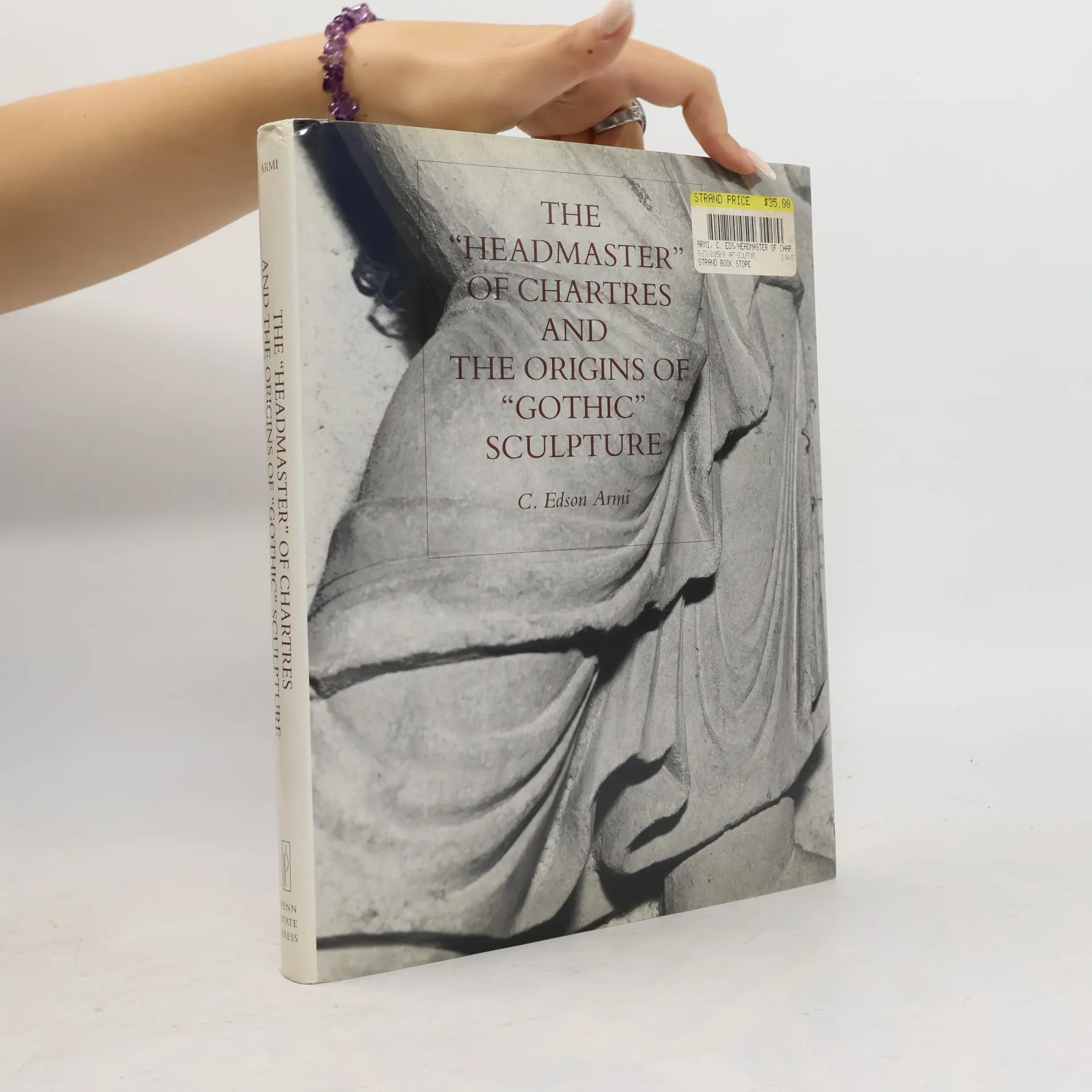
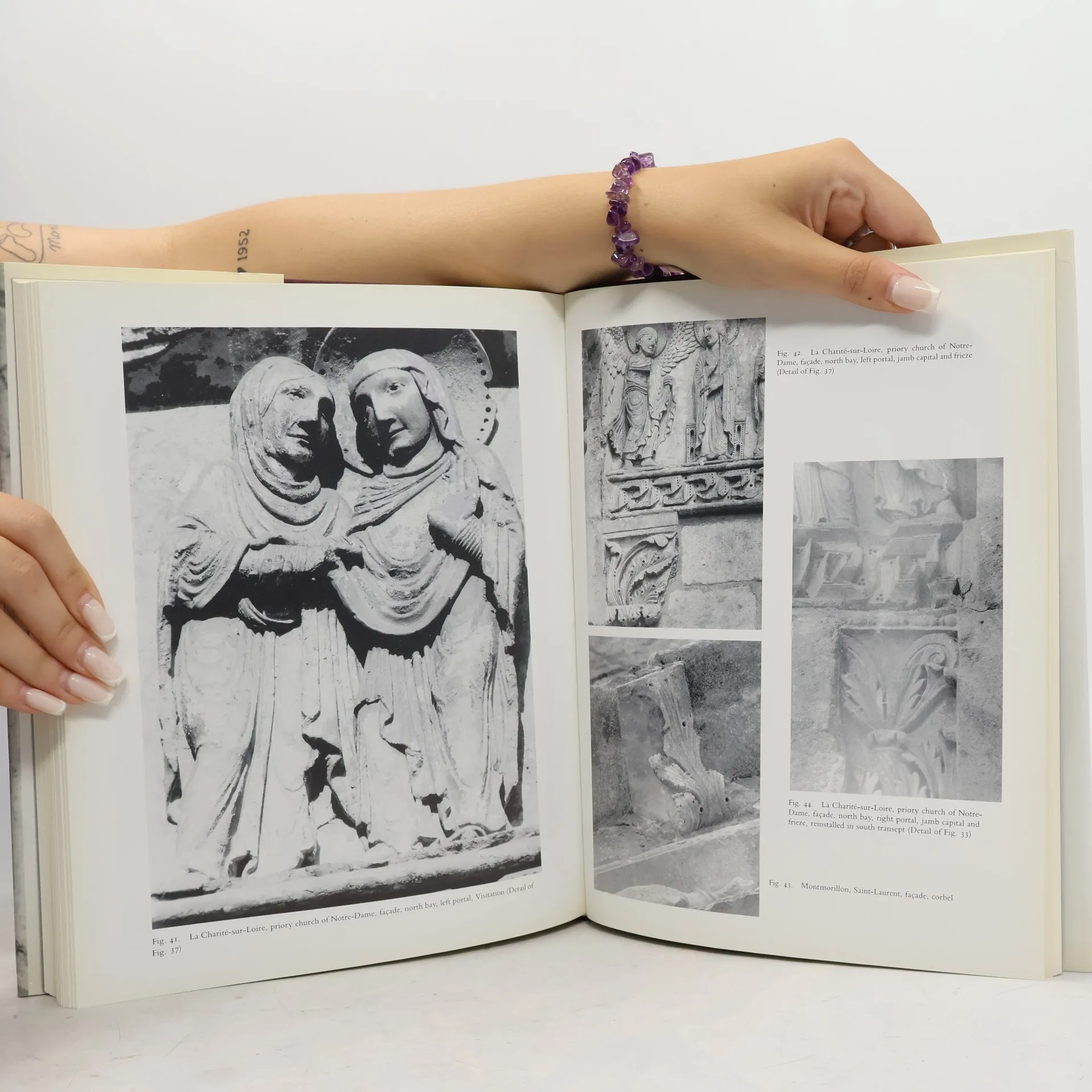
Professor Armi's study represents a dramatic reconsideration of the origins of Gothic sculpture by employing new methodology and refuting previously accepted theories. Despite the aesthetic and historical significance of the Royal Portal, no documentation of its design and construction exists. Nevertheless, over the last century a set of truths about the facade have become accepted. Employing a new methodology that overcomes the lack of documents with a revised form of connoisseurship, Edson Armi proposes a radically different biography of the Headmaster that has far-reaching implications for the study of Gothic sculpture. With a new perspective on the most important mid-twelfth-century portal, the book concludes that the style and cultural context of Île-de-France sculpture is less defined and more diverse than previously imagined. More importantly, the book argues that the forms of art, as well as the design and working procedures in the Paris basin, can no longer be seen as unique or separate from the practices of provincial French art in the period before 1140.
Nákup knihy
The “Headmaster” of Chartres and the Origins of “Gothic” Sculpture, C. Edson Armi
- Jazyk

- Rok vydania
- 1993
- Väzba
- (pevná),
- Stav knihy
- Dobrá
- Cena
- 22,99 €
Nikto zatiaľ neohodnotil.
- Titul
- The “Headmaster” of Chartres and the Origins of “Gothic” Sculpture
- Jazyk
- anglicky
- Autori
- C. Edson Armi
- Vydavateľ
- Penn State University Press
- Rok vydania
- 1993
- Väzba
- pevná
- Počet strán
- 256
- ISBN10
- 0271010509
- ISBN13
- 9780271010502
- Série
- Kategórie
- Štítky
- Historické téma, Umenie, Architektúra, Francúzsko, Stredovek, Dejiny umenia, Západná Európa, Sochárstvo, Kresťanské umenie a symbolika
- Anotácia
- Professor Armi's study represents a dramatic reconsideration of the origins of Gothic sculpture by employing new methodology and refuting previously accepted theories. Despite the aesthetic and historical significance of the Royal Portal, no documentation of its design and construction exists. Nevertheless, over the last century a set of truths about the facade have become accepted. Employing a new methodology that overcomes the lack of documents with a revised form of connoisseurship, Edson Armi proposes a radically different biography of the Headmaster that has far-reaching implications for the study of Gothic sculpture. With a new perspective on the most important mid-twelfth-century portal, the book concludes that the style and cultural context of Île-de-France sculpture is less defined and more diverse than previously imagined. More importantly, the book argues that the forms of art, as well as the design and working procedures in the Paris basin, can no longer be seen as unique or separate from the practices of provincial French art in the period before 1140.