



Viac o knihe
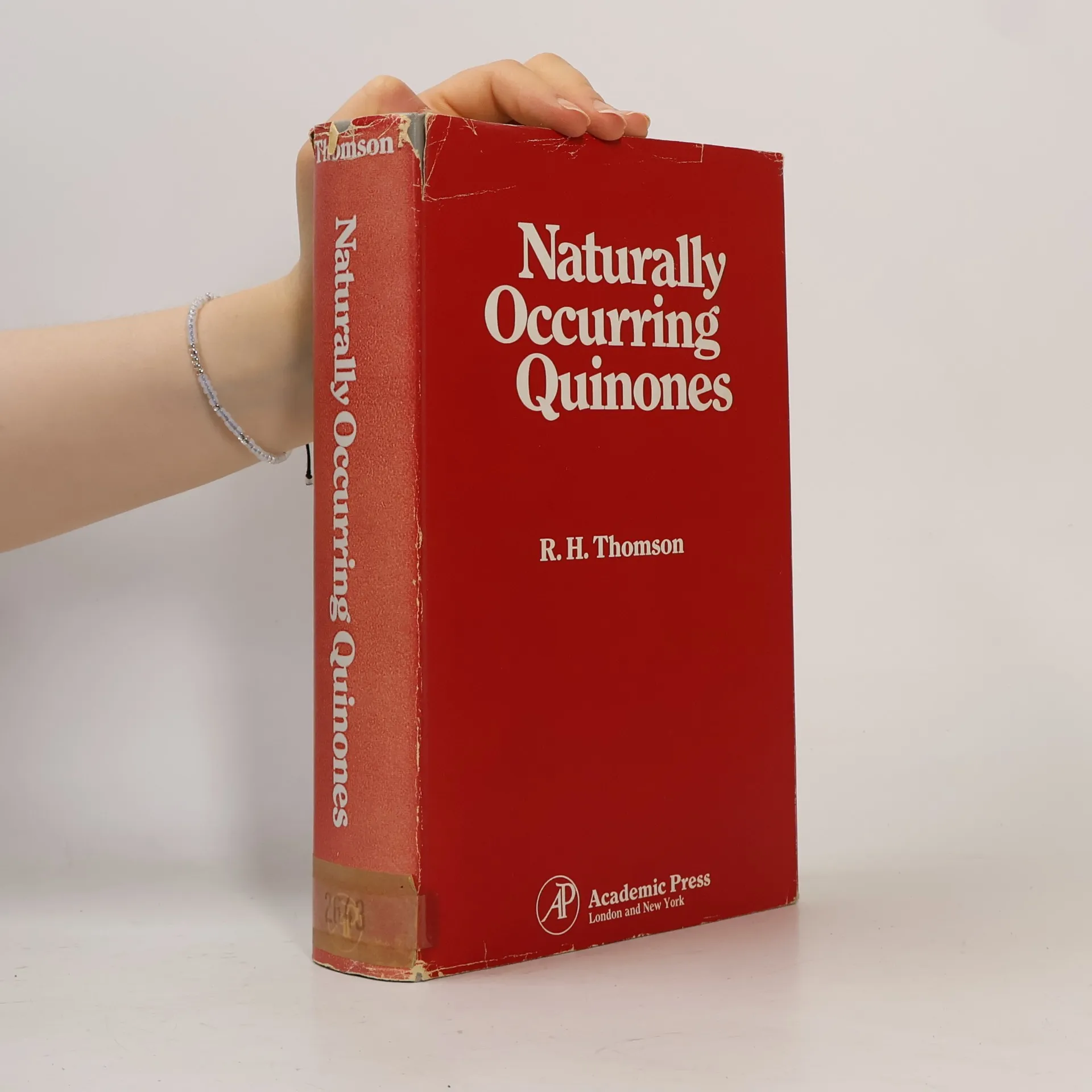
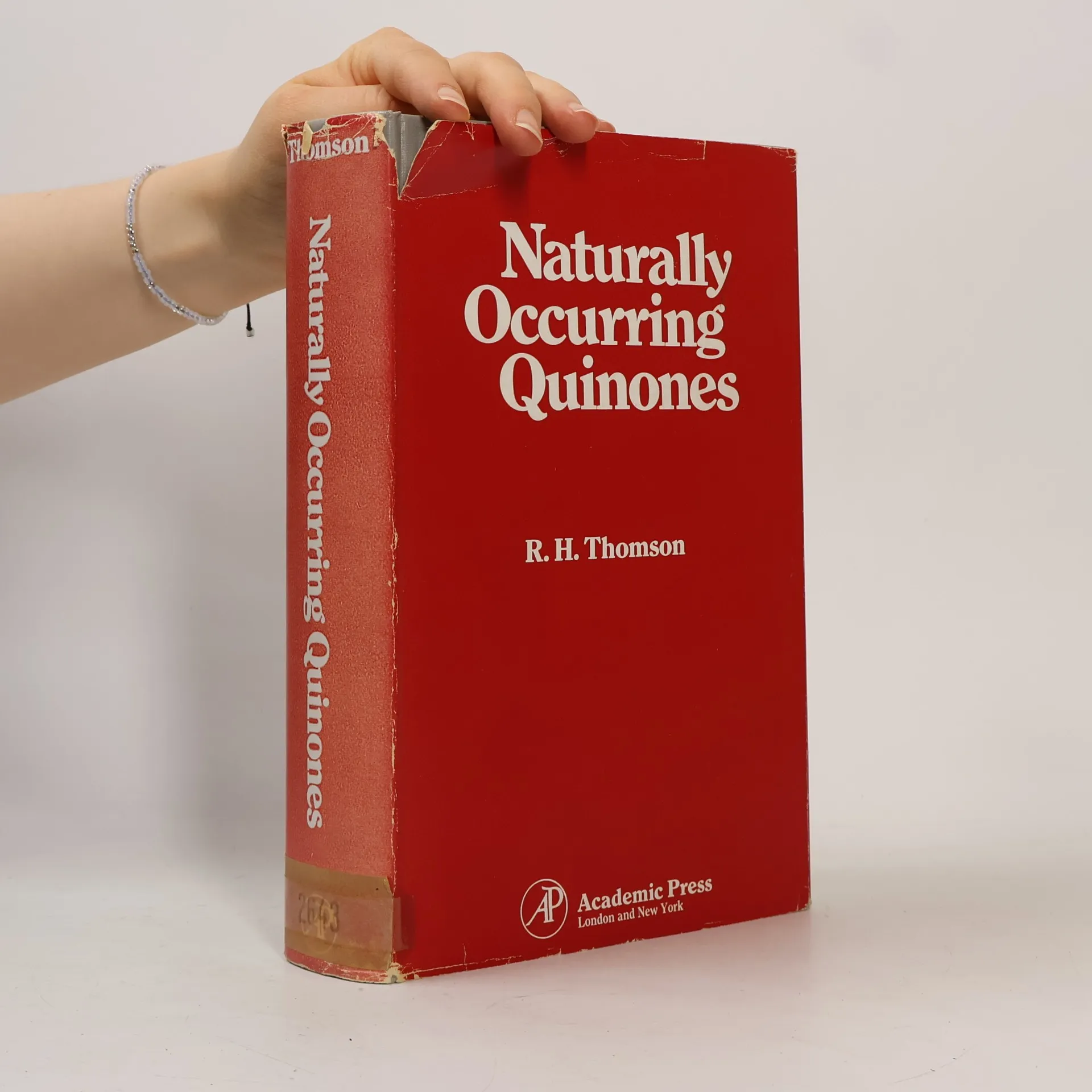
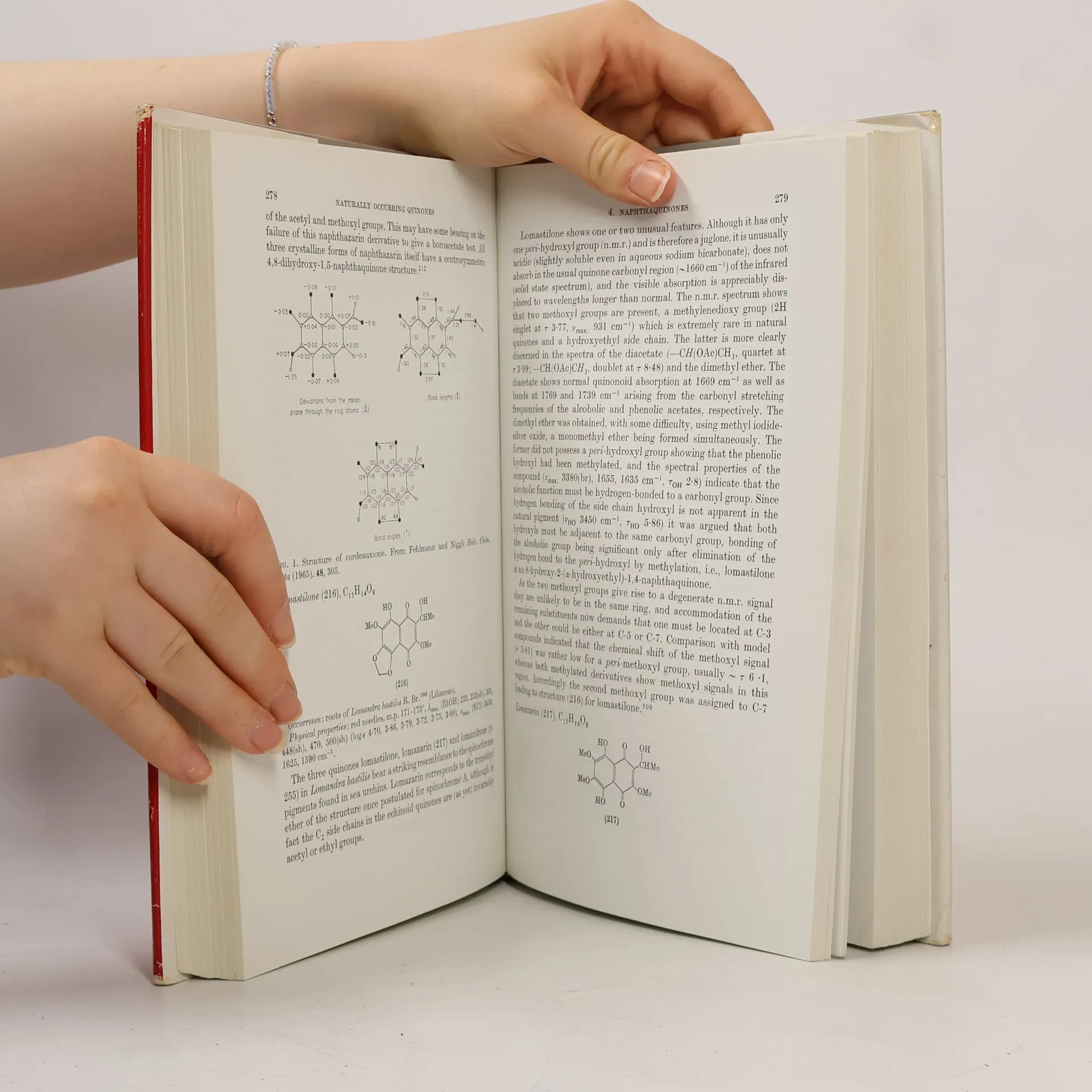
Naturally Occurring Quinones aims to discuss where quinones, a major group of organic compounds that are considered as pigments, can be found in nature. The book also explains its significance in chemistry and other related fields. The text also mentions the different plant and animal origins of these compounds. The book covers the biogenesis and distribution of these organic compounds; their identification and spectra; and the different kinds of quinolones, which include benzoquinones, naphthaquinones, julichromes, and laccaic acids. The text also elaborates on anthracyclinones and their stereochemistry; extended quinolones, including elsinochromes, erythroaphins, xanthoaphins, chrysoaphins, and aphinins; and miscellaneous quinolones, such as royleanones, tanshinones, isotanshinones, and mitomycins. The text is recommended for students and practitioners in the field of chemistry, biochemistry, and biology, especially those who want to further understand quinolones, their importance in nature and different species, and their possible uses.
Nákup knihy
Naturally Occurring Quinones, R. H. Thomson
- Jazyk

- Rok vydania
- 1971
- Väzba
- (pevná),
- Stav knihy
- Poškodená
- Cena
- 4,86 €
Nikto zatiaľ neohodnotil.
- Titul
- Naturally Occurring Quinones
- Jazyk
- anglicky
- Autori
- R. H. Thomson
- Vydavateľ
- Academic press
- Rok vydania
- 1971
- Väzba
- pevná
- Počet strán
- 742
- ISBN10
- 012689650X
- ISBN13
- 9780126896503
- Série
- Štítky
- Prírodné vedy, Veda, Biochemia, Organická chémia
- Anotácia
- Naturally Occurring Quinones aims to discuss where quinones, a major group of organic compounds that are considered as pigments, can be found in nature. The book also explains its significance in chemistry and other related fields. The text also mentions the different plant and animal origins of these compounds. The book covers the biogenesis and distribution of these organic compounds; their identification and spectra; and the different kinds of quinolones, which include benzoquinones, naphthaquinones, julichromes, and laccaic acids. The text also elaborates on anthracyclinones and their stereochemistry; extended quinolones, including elsinochromes, erythroaphins, xanthoaphins, chrysoaphins, and aphinins; and miscellaneous quinolones, such as royleanones, tanshinones, isotanshinones, and mitomycins. The text is recommended for students and practitioners in the field of chemistry, biochemistry, and biology, especially those who want to further understand quinolones, their importance in nature and different species, and their possible uses.