


Viac o knihe
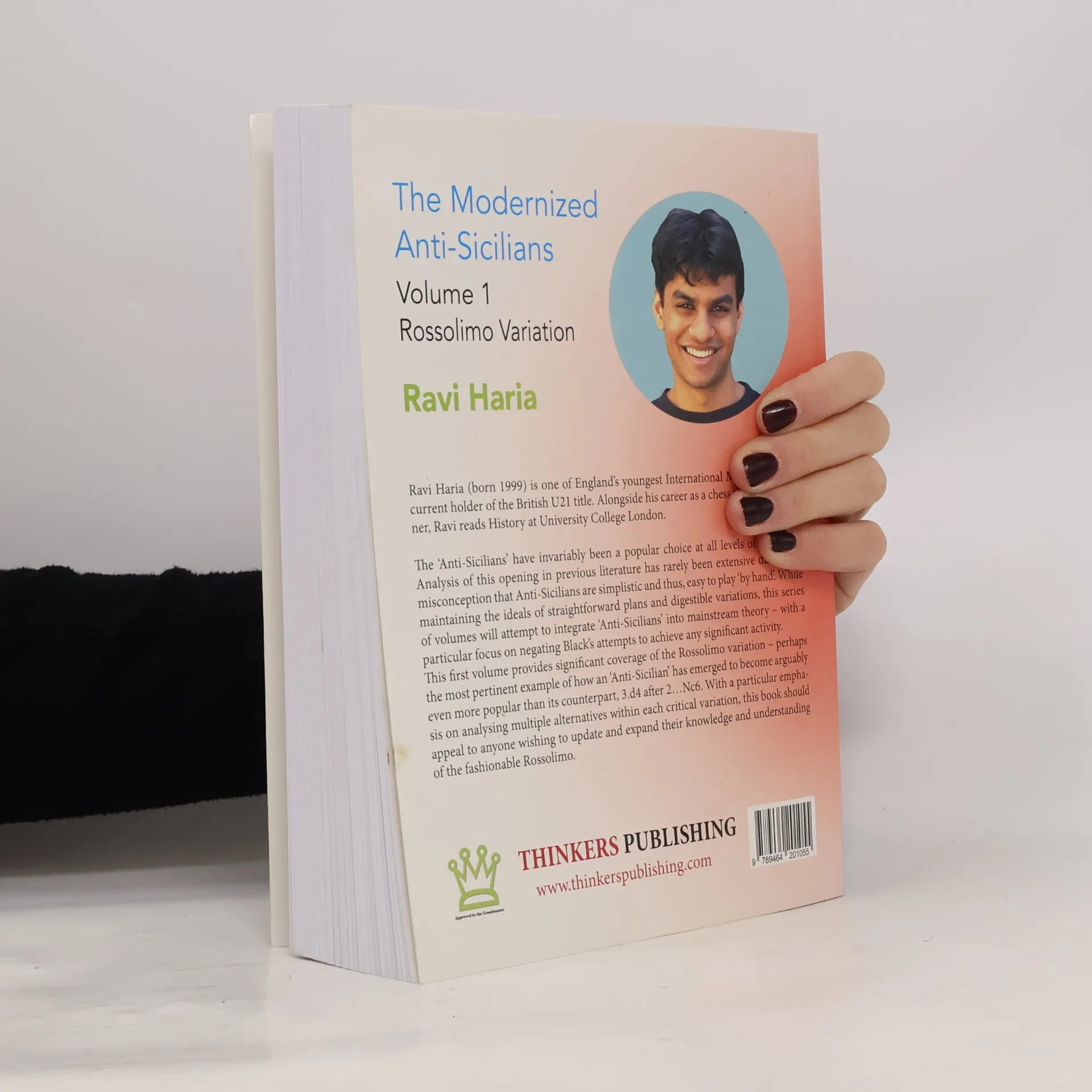
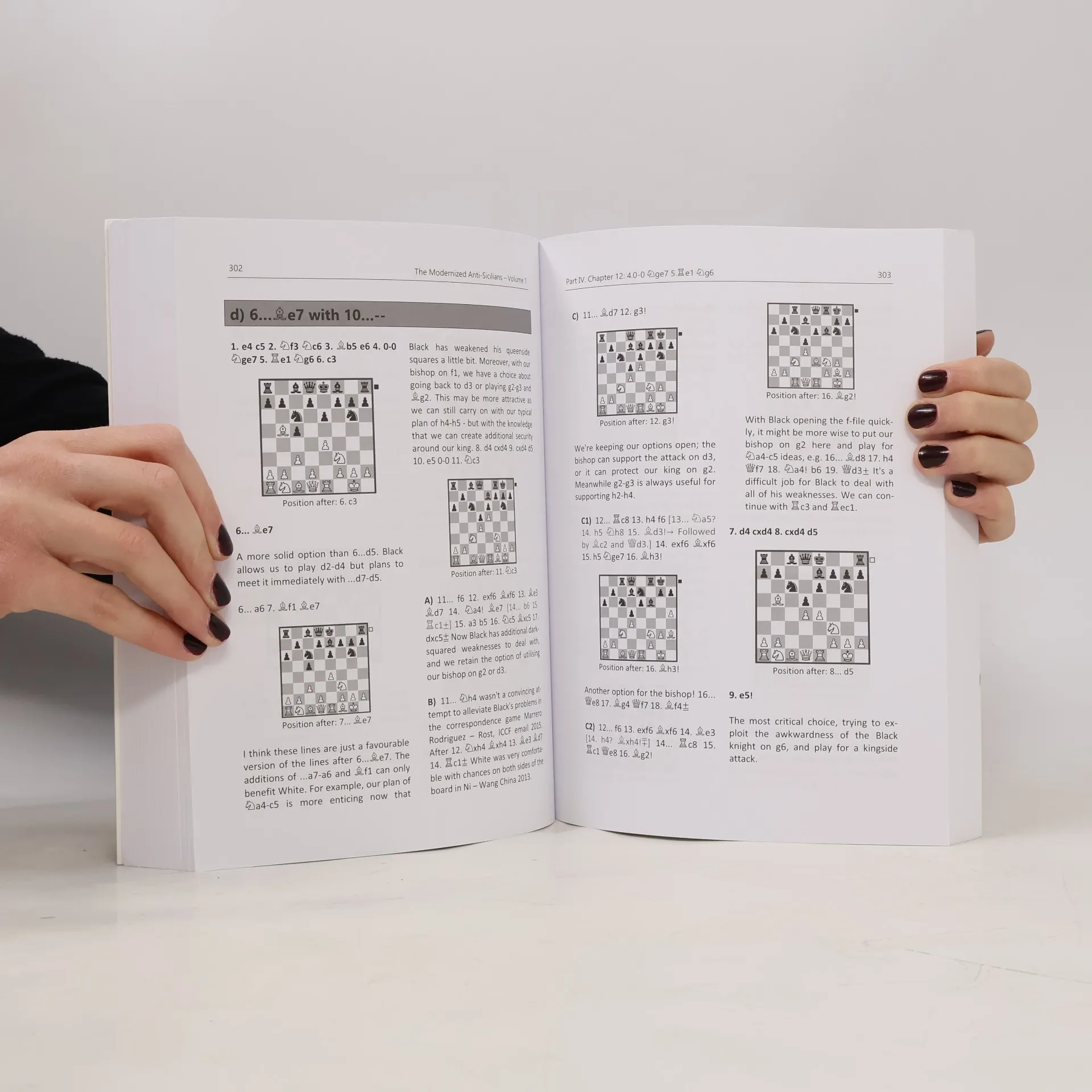
The ‘Anti-Sicilians’ have invariably been a popular choice at all levels of the game. Analysis of this opening in previous literature has rarely been extensive due to the misconception that Anti-Sicilians are simplistic and thus, easy to play ‘by hand’. While maintaining the ideals of straightforward plans and digestible variations, this series of volumes will attempt to integrate ‘Anti-Sicilians’ into mainstream theory – with a particular focus on negating Black’s attempts to achieve any significant activity. This first volume provides significant coverage of the Rossolimo variation – perhaps the most pertinent example of how an ‘Anti-Sicilian’ has emerged to become arguably even more popular than its counterpart, 3.d4 after 2…Nc6. With a particular emphasis on analysing multiple alternatives within each critical variation, this book should appeal to anyone wishing to update and expand their knowledge and understanding of the fashionable Rossolimo.
Nákup knihy
The Modernized Anti-Sicilians - Volume 1, Ravi Haria
- Jazyk

- Rok vydania
- 2021
- Väzba
- (mäkká),
- Stav knihy
- Dobrá
- Cena
- 15,49 €
Nikto zatiaľ neohodnotil.
- Titul
- The Modernized Anti-Sicilians - Volume 1
- Podtitul
- Rossolimo Variation
- Jazyk
- anglicky
- Autori
- Ravi Haria
- Vydavateľ
- Thinkers Publishing
- Rok vydania
- 2021
- Väzba
- mäkká
- Počet strán
- 520
- ISBN10
- 9464201053
- ISBN13
- 9789464201055
- Série
- Štítky
- Príručky a návody, Sprievodca, Šachy, Výcvik, Stratégia, Pre začiatočníkov, Napadnutie, Stolné hry
- Anotácia
- The ‘Anti-Sicilians’ have invariably been a popular choice at all levels of the game. Analysis of this opening in previous literature has rarely been extensive due to the misconception that Anti-Sicilians are simplistic and thus, easy to play ‘by hand’. While maintaining the ideals of straightforward plans and digestible variations, this series of volumes will attempt to integrate ‘Anti-Sicilians’ into mainstream theory – with a particular focus on negating Black’s attempts to achieve any significant activity. This first volume provides significant coverage of the Rossolimo variation – perhaps the most pertinent example of how an ‘Anti-Sicilian’ has emerged to become arguably even more popular than its counterpart, 3.d4 after 2…Nc6. With a particular emphasis on analysing multiple alternatives within each critical variation, this book should appeal to anyone wishing to update and expand their knowledge and understanding of the fashionable Rossolimo.