

Viac o knihe
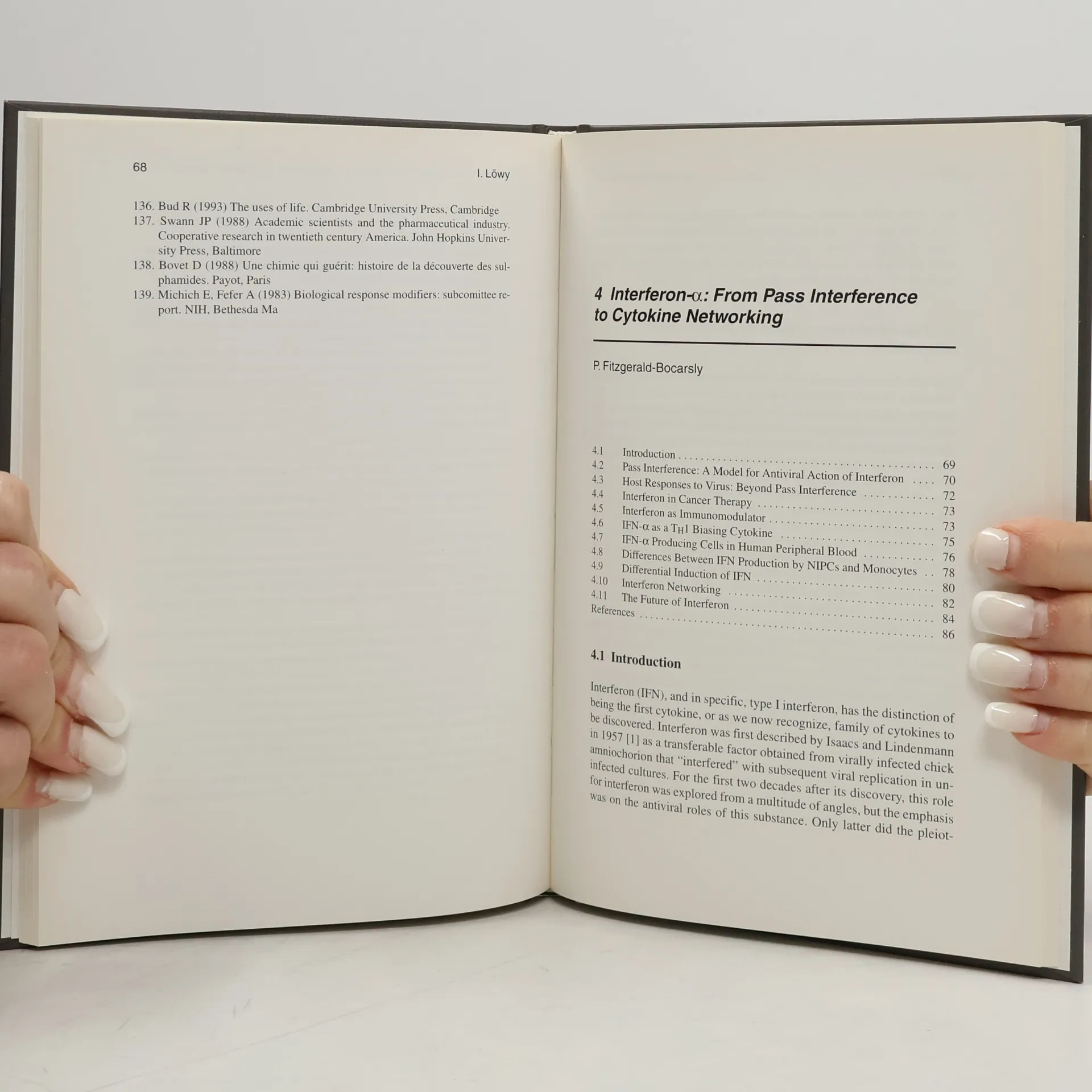
Forty years of Interferon I wish to dedicate this short introduction to the memory of Alick Isaacs (1921-1967), and to that of Sir Christopher Andrewes (1896-1988). Let us go back more than 40 years. In 1956 Isaacs was in charge of the Wodd Influenza Centre. Andrewes was head of the division of bac teriology and virology, and deputy director of the National Institute for Medical Research in London. When researchers are faced with a seemingly new phenomenon, ex planations are easy to come by. These explanations fall into two broad categories: the phenomenon in question is either due to something or to the lack of something. I apologize for the primitive way in which I ex press this, but I am going to give three examples, scattered over 100 years, of what I mean. First example: in 1880 the great French microbiologist Louis Pas teur was involved in work on chicken cholera. He was struck by the following observation: if a suitable chicken broth was inoculated with the bacterium, the organism grew profusely and the liquid became tur bid. If he now freed the fluid, by sedimentation or filtration, from the bulk of the organisms and re-inoculated it with the same bacterium, no growth occurred."
Nákup knihy
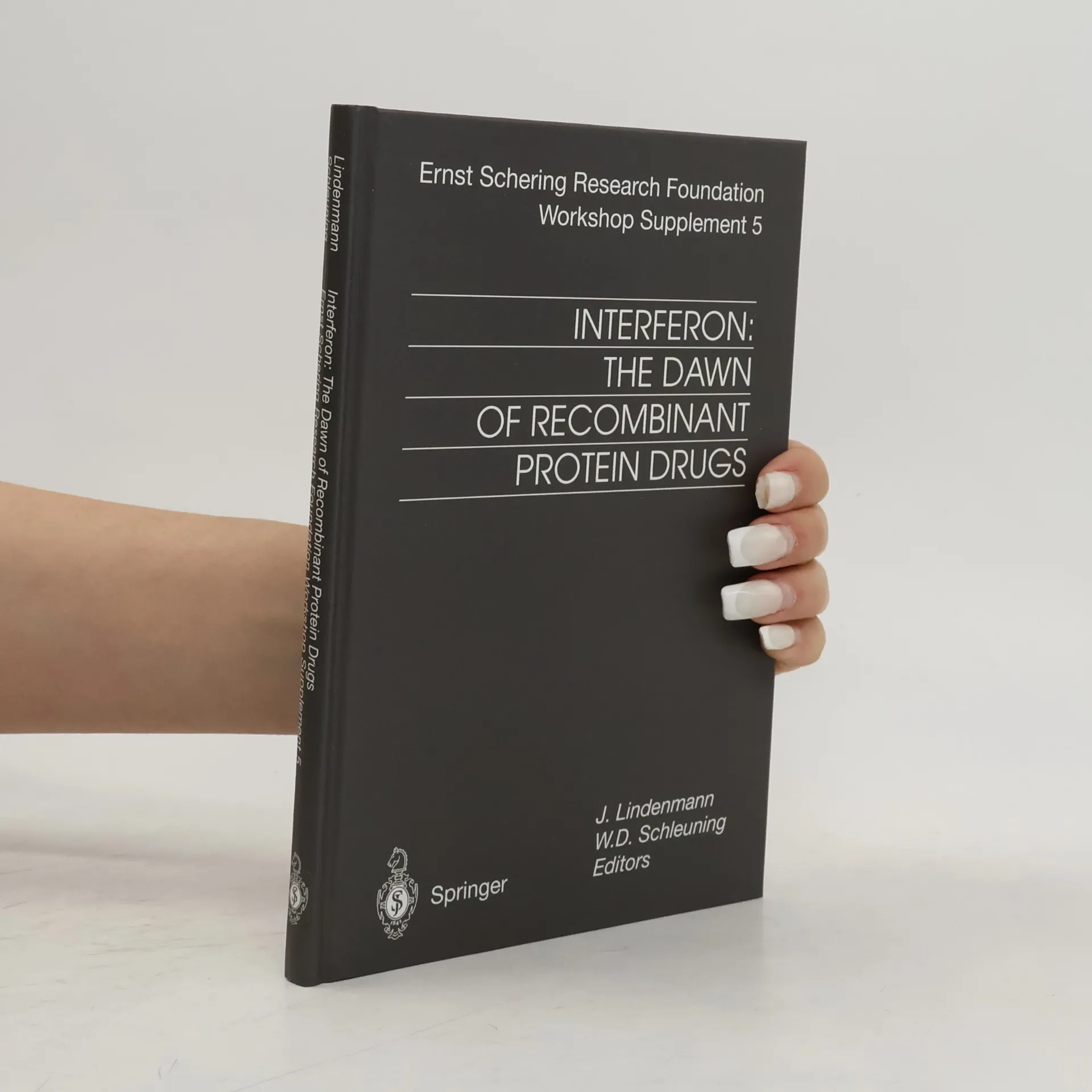
Ernst Schering Research Foundation Workshop Supplement - 5: Interferon, Jean Lindenmann, Wolf-Dieter Schleuning
- Jazyk

- Rok vydania
- 1999
- Väzba
- (pevná),
- Stav knihy
- Dobrá
- Cena
- 3,19 €
Nikto zatiaľ neohodnotil.
- Titul
- Ernst Schering Research Foundation Workshop Supplement - 5: Interferon
- Podtitul
- The Dawn of Recombinant Protein Drugs
- Jazyk
- anglicky
- Vydavateľ
- FisicalBook
- Rok vydania
- 1999
- Väzba
- pevná
- Počet strán
- 138
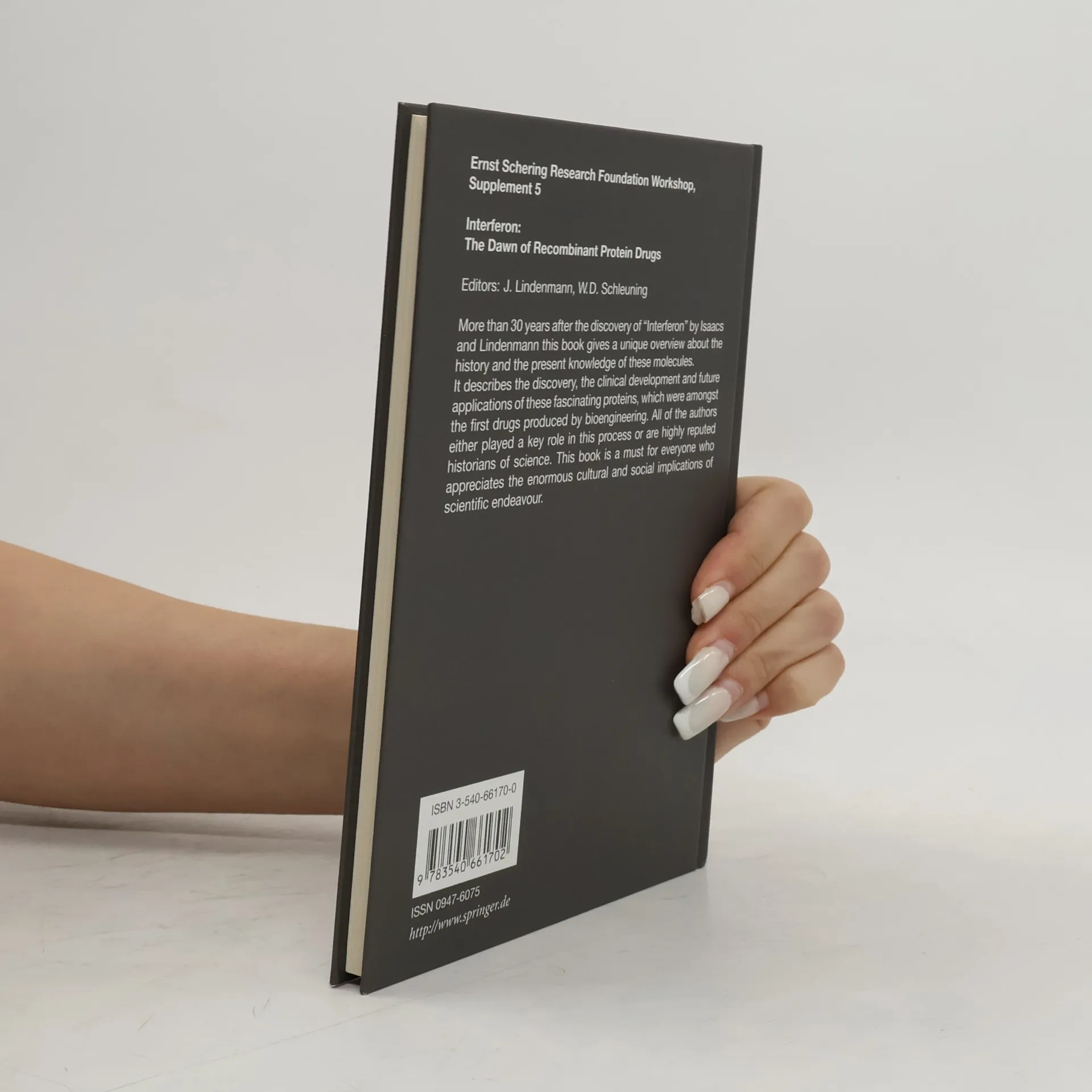
- ISBN10
- 3540661700
- ISBN13
- 9783540661702
- Série
- Kategórie
- Štítky
- Veda, Nemecko, Medicína, Odborná literatúra, Genetika, Farmakológia, Základy, Biotechnológia, Imunológia, Toxikológia, Roztrúsená skleróza
- Anotácia
- Forty years of Interferon I wish to dedicate this short introduction to the memory of Alick Isaacs (1921-1967), and to that of Sir Christopher Andrewes (1896-1988). Let us go back more than 40 years. In 1956 Isaacs was in charge of the Wodd Influenza Centre. Andrewes was head of the division of bac teriology and virology, and deputy director of the National Institute for Medical Research in London. When researchers are faced with a seemingly new phenomenon, ex planations are easy to come by. These explanations fall into two broad categories: the phenomenon in question is either due to something or to the lack of something. I apologize for the primitive way in which I ex press this, but I am going to give three examples, scattered over 100 years, of what I mean. First example: in 1880 the great French microbiologist Louis Pas teur was involved in work on chicken cholera. He was struck by the following observation: if a suitable chicken broth was inoculated with the bacterium, the organism grew profusely and the liquid became tur bid. If he now freed the fluid, by sedimentation or filtration, from the bulk of the organisms and re-inoculated it with the same bacterium, no growth occurred."