

Viac o knihe
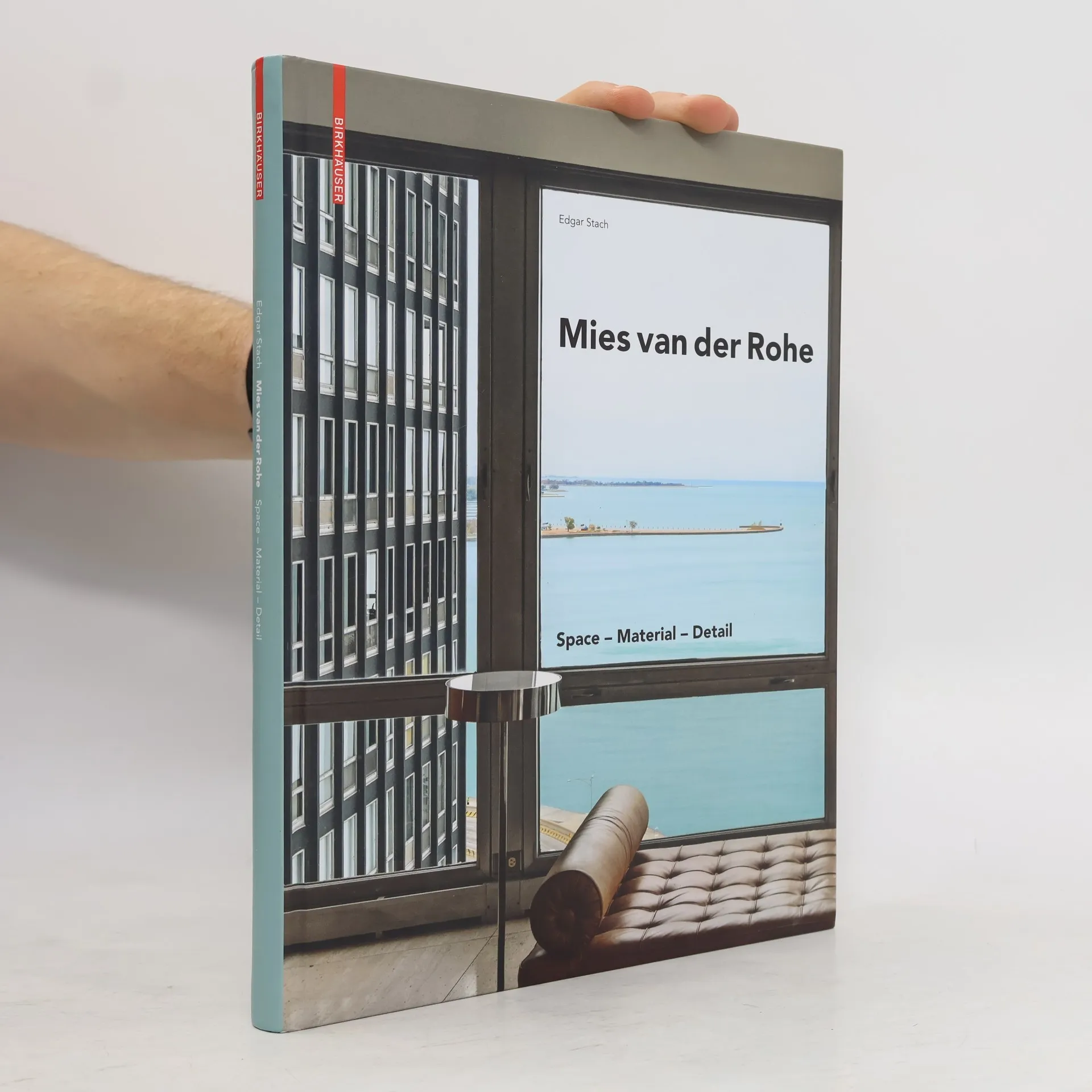
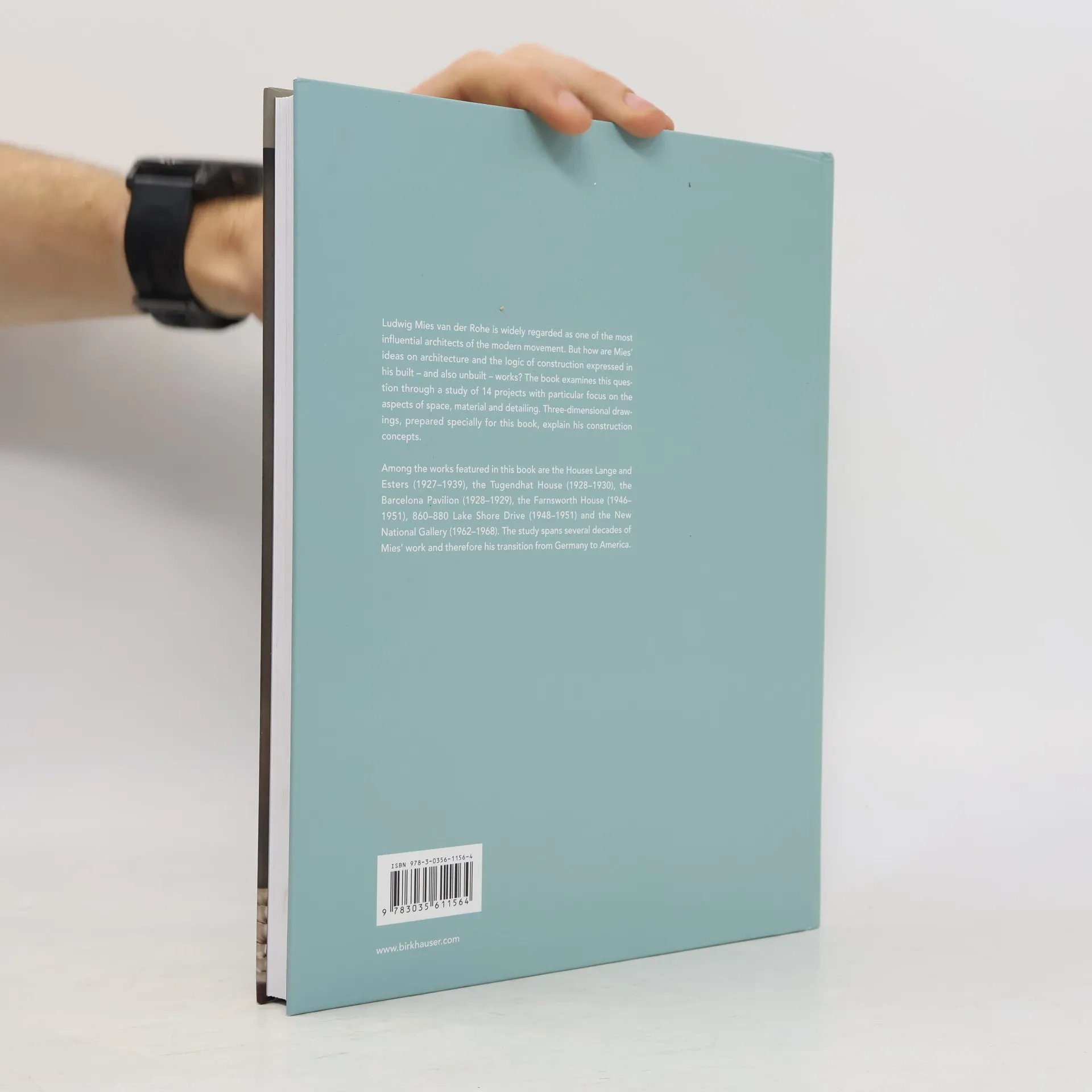
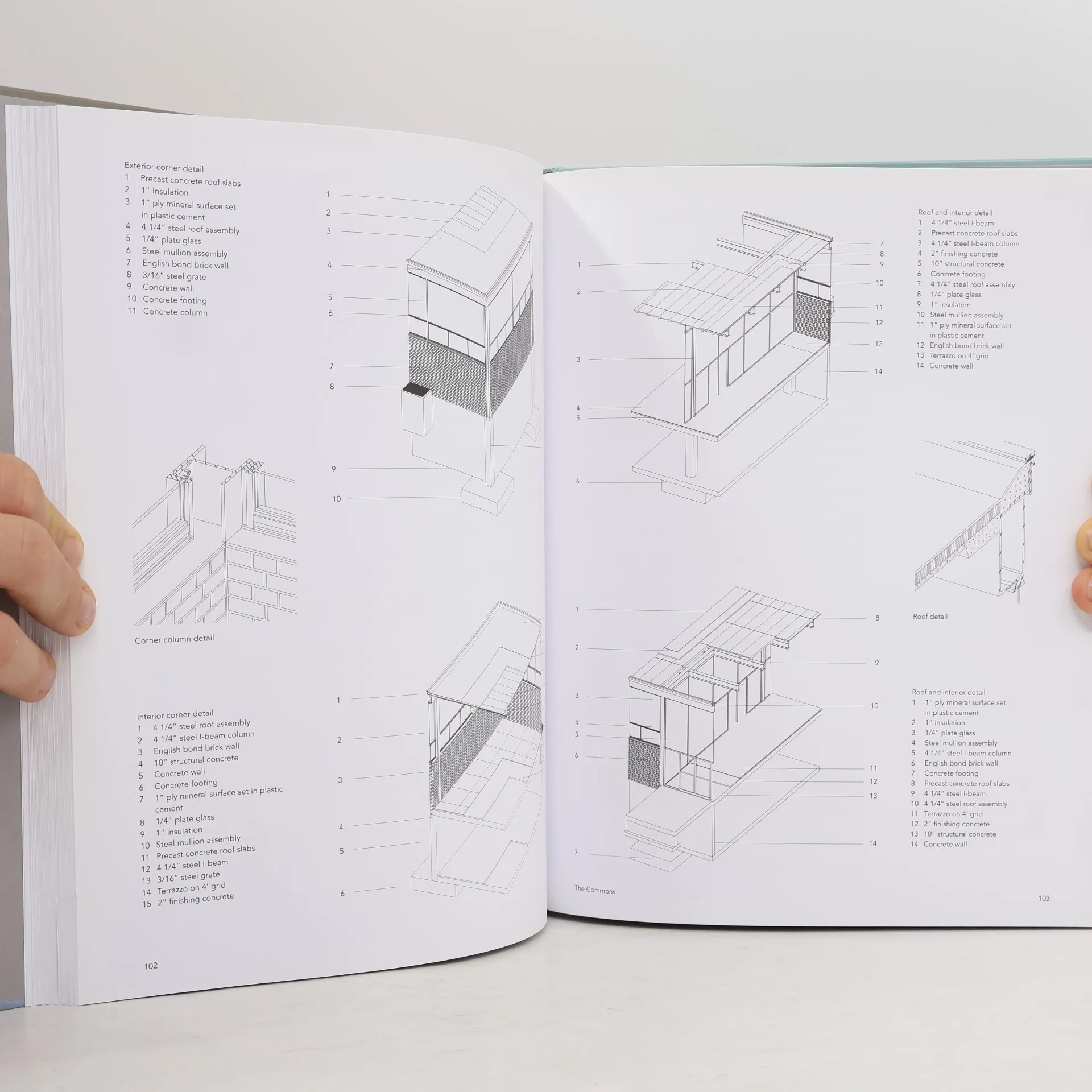
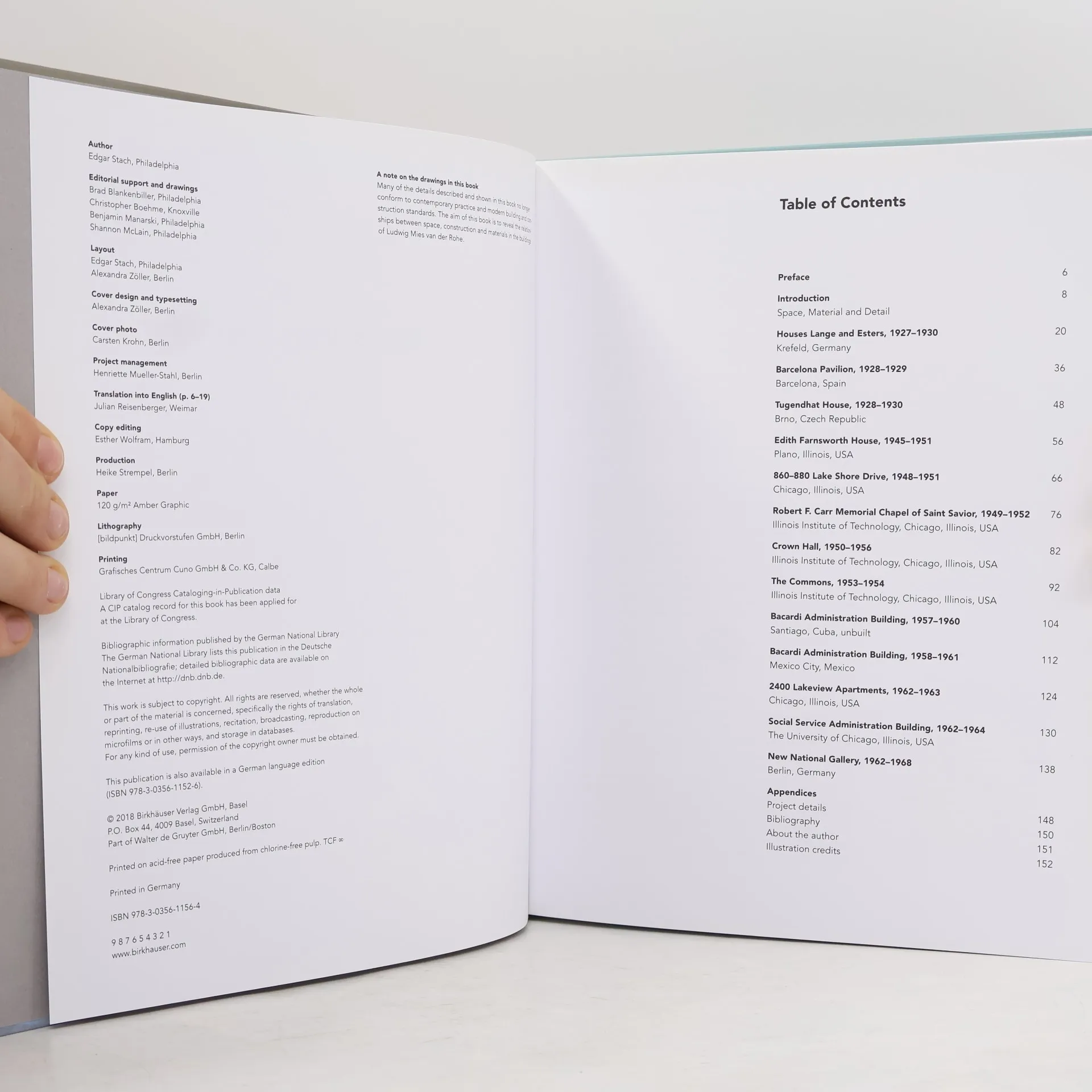
It is understood that Mies van der Rohe is one of the most important architects of the Modern movement. But how do Mies' ideas on architecture and on the logic of construction relate to his built - and sometimes unbuilt - oeuvre? This book investigates this question based on 14 projects, with a focus on the choice of detail and material. Specially produced three- dimensional drawings provide an easy-to-understand analysis of Mies' construction concepts. The projects include Lange and Esters Houses (1927-30), Tugendhat House (1928-30), the Barcelona Pavilion (1928-29), Farnsworth House (1946-51), Lake Shore Drive (1948-51) and the New National Gallery (1962-68). The investigation covers several decades of Mies' work, and hence his German and American creative periods.
Nákup knihy
Mies van der Rohe, Edgar Stach
- Jazyk

- Rok vydania
- 2018
- Väzba
- (pevná),
- Stav knihy
- Dobrá
- Cena
- 34,99 €
Nikto zatiaľ neohodnotil.
- Titul
- Mies van der Rohe
- Podtitul
- Space - Material - Detail
- Jazyk
- anglicky
- Autori
- Edgar Stach
- Vydavateľ
- Birkhäuser Verlag GmbH
- Rok vydania
- 2018
- Väzba
- pevná
- Počet strán
- 144
- ISBN10
- 3035611564
- ISBN13
- 9783035611564
- Série
- Štítky
- Historické téma, Príručky a návody, Umenie, Architektúra, USA, Dejiny umenia, Modernizmus, Dejiny architektúry
- Anotácia
- It is understood that Mies van der Rohe is one of the most important architects of the Modern movement. But how do Mies' ideas on architecture and on the logic of construction relate to his built - and sometimes unbuilt - oeuvre? This book investigates this question based on 14 projects, with a focus on the choice of detail and material. Specially produced three- dimensional drawings provide an easy-to-understand analysis of Mies' construction concepts. The projects include Lange and Esters Houses (1927-30), Tugendhat House (1928-30), the Barcelona Pavilion (1928-29), Farnsworth House (1946-51), Lake Shore Drive (1948-51) and the New National Gallery (1962-68). The investigation covers several decades of Mies' work, and hence his German and American creative periods.