

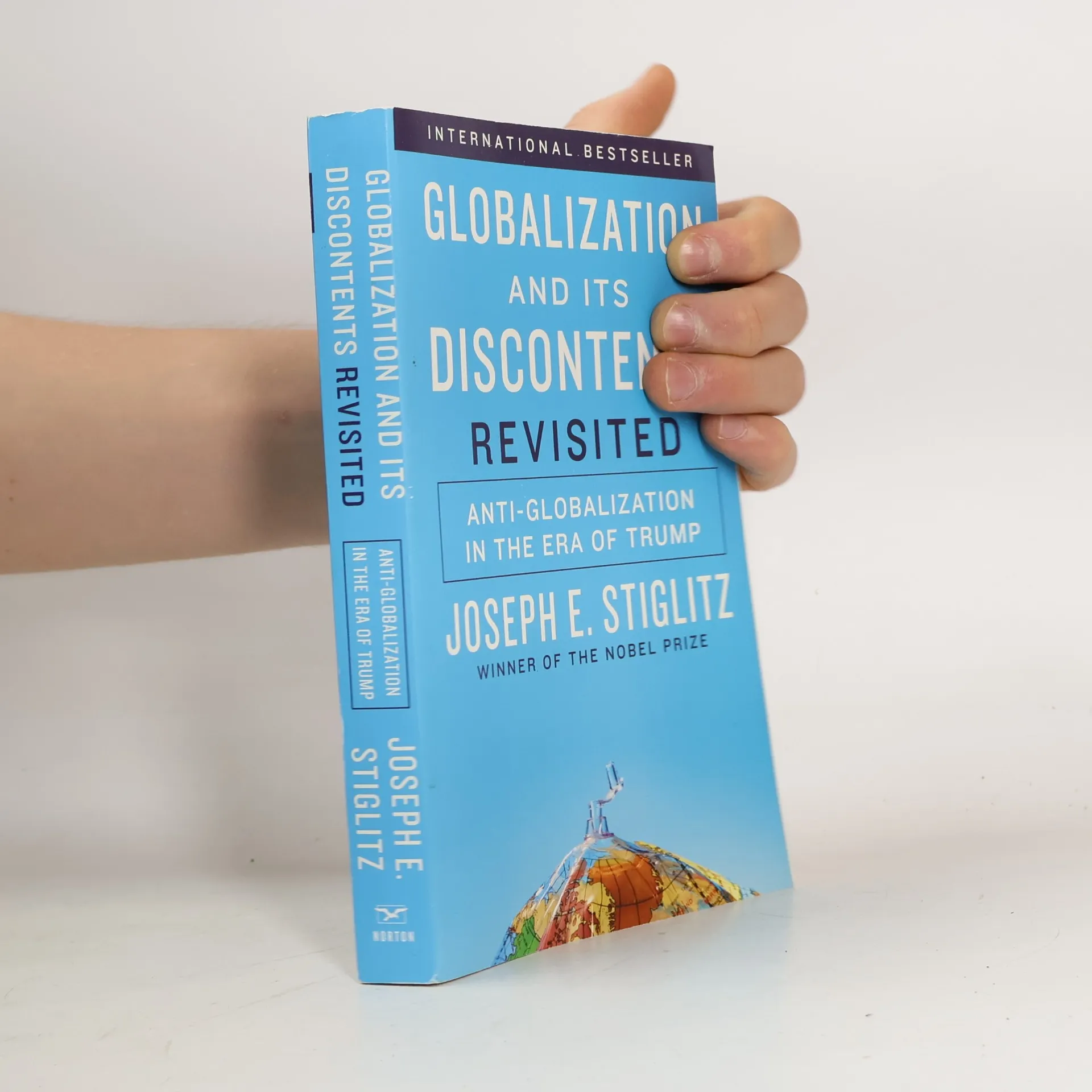


Viac o knihe
In this crucial expansion and update of his landmark bestseller, renowned economist and Nobel Prize winner Joseph E. Stiglitz addresses globalization’s new discontents in the United States and Europe. Immediately upon publication, <em>Globalization and Its Discontents</em> became a touchstone in the globalization debate by demonstrating how the International Monetary Fund, other major institutions like the World Bank, and global trade agreements have often harmed the developing nations they are supposedly helping. Yet globalization today continues to be mismanaged, and now the harms—exemplified by the rampant inequality to which it has contributed—have come home to roost in the United States and the rest of the developed world as well, reflected in growing political unrest. With a new introduction, major new chapters on the new discontents, the rise of Donald Trump, and the new protectionist movement, as well as a new afterword on the course of globalization since the book first appeared, Stiglitz’s powerful and prescient messages remain essential reading.
Nákup knihy
Globalization and Its Discontents Revisited, Joseph Stiglitz
- Jazyk

- Rok vydania
- 2017
- Väzba
- (mäkká)
Doručenie
Platobné metódy
Nikto zatiaľ neohodnotil.
- Titul
- Globalization and Its Discontents Revisited
- Podtitul
- Anti-Globalization in the Era of Trump
- Jazyk
- anglicky
- Autori
- Joseph Stiglitz
- Vydavateľ
- W. W. Norton & Company
- Rok vydania
- 2017
- Väzba
- mäkká
- Počet strán
- 528
- ISBN10
- 0393355160
- ISBN13
- 9780393355161
- Série
- Kategórie
- Štítky
- Byznys, Politika, Medzinárodné vzťahy
- Anotácia
- In this crucial expansion and update of his landmark bestseller, renowned economist and Nobel Prize winner Joseph E. Stiglitz addresses globalization’s new discontents in the United States and Europe. Immediately upon publication, <em>Globalization and Its Discontents</em> became a touchstone in the globalization debate by demonstrating how the International Monetary Fund, other major institutions like the World Bank, and global trade agreements have often harmed the developing nations they are supposedly helping. Yet globalization today continues to be mismanaged, and now the harms—exemplified by the rampant inequality to which it has contributed—have come home to roost in the United States and the rest of the developed world as well, reflected in growing political unrest. With a new introduction, major new chapters on the new discontents, the rise of Donald Trump, and the new protectionist movement, as well as a new afterword on the course of globalization since the book first appeared, Stiglitz’s powerful and prescient messages remain essential reading.