

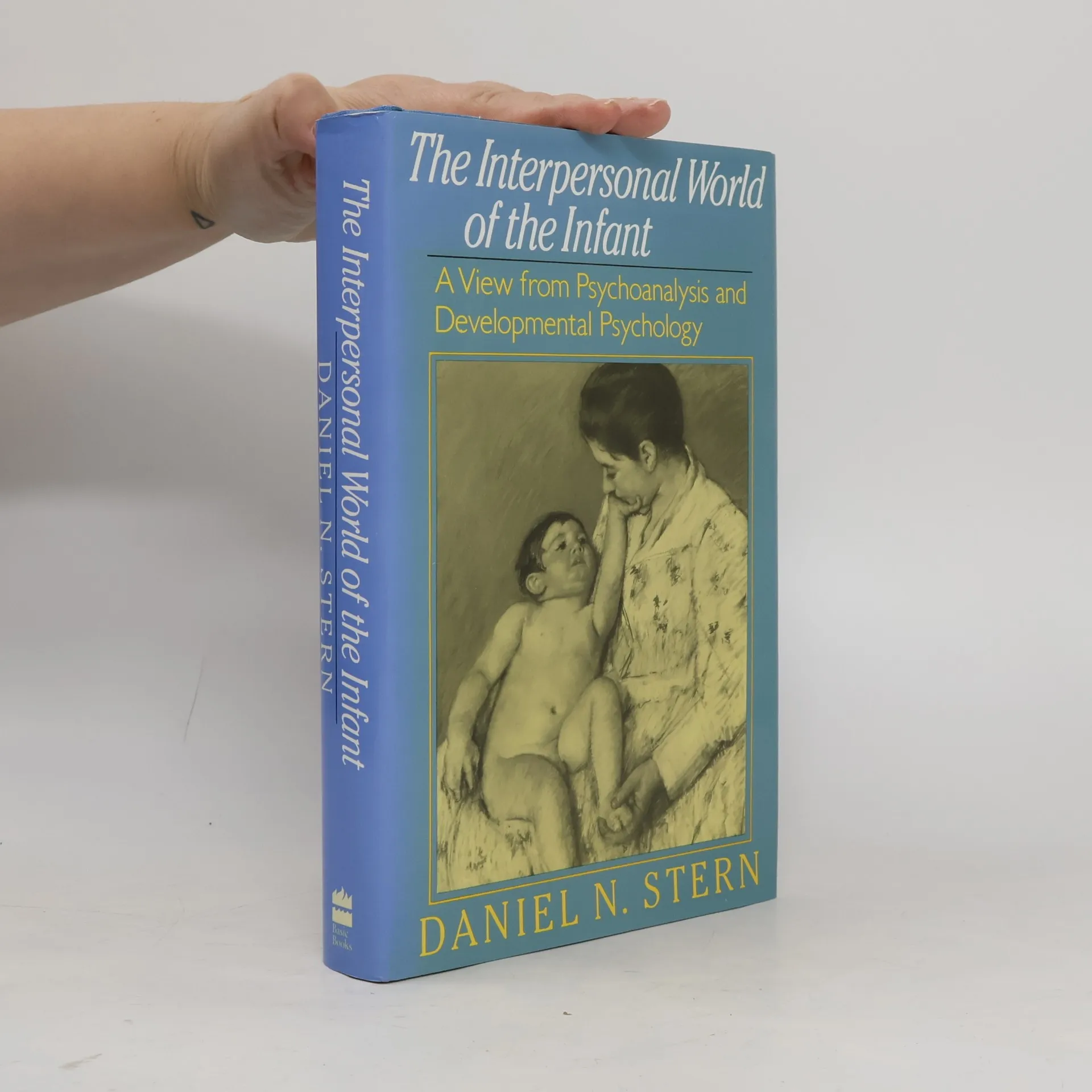

Interpersonal World of the Infant
A View from Psychoanalysis and Developmental Psychology
Autori
Parametre
- 320 stránok
- 12 hodin čítania
Viac o knihe
How do babies experience the world and create a social environment? These questions have intrigued students of human development, but until recently, we relied on adult memories to imagine infants' thoughts and feelings. In this insightful work, renowned infant psychiatrist Daniel Stern synthesizes new research and psychoanalytic insights to present an original theory on how humans develop a sense of self and relationships with others. Contrary to views that see early development as a gradual separation process, Stern posits that infants begin differentiating themselves almost from birth, advancing through increasingly complex modes of relatedness. He vividly illustrates how infants and caregivers communicate and share experiences, challenging traditional developmental sequences and the belief that certain tasks are limited to infancy. Stern argues that attachment, trust, and dependency are lifelong clinical issues, carrying significant implications for psychoanalytic practice. Elegantly articulated and rich in new insights, this work is poised to be a major contribution to our understanding of infancy and psychological development throughout the life cycle.
Nákup knihy
Interpersonal World of the Infant, Daniel Stern
- Jazyk

- Rok vydania
- 1985
- Väzba
- (pevná),
- Stav knihy
- Dobrá
- Cena
- 10,99 €
Doručenie
Platobné metódy
Nikto zatiaľ neohodnotil.
- Titul
- Interpersonal World of the Infant
- Podtitul
- A View from Psychoanalysis and Developmental Psychology
- Jazyk
- anglicky
- Autori
- Daniel Stern
- Vydavateľ
- Basic Books
- Rok vydania
- 1985
- Väzba
- pevná
- Počet strán
- 320
- ISBN10
- 0465034039
- ISBN13
- 9780465034031
- Série
- Kategórie
- Štítky
- Psychologická tematika, Veda, Psychoterapia, Psychoanalýza, Psychiatria, Vývojová psychológia, Detská psychológia
- Anotácia
- How do babies experience the world and create a social environment? These questions have intrigued students of human development, but until recently, we relied on adult memories to imagine infants' thoughts and feelings. In this insightful work, renowned infant psychiatrist Daniel Stern synthesizes new research and psychoanalytic insights to present an original theory on how humans develop a sense of self and relationships with others. Contrary to views that see early development as a gradual separation process, Stern posits that infants begin differentiating themselves almost from birth, advancing through increasingly complex modes of relatedness. He vividly illustrates how infants and caregivers communicate and share experiences, challenging traditional developmental sequences and the belief that certain tasks are limited to infancy. Stern argues that attachment, trust, and dependency are lifelong clinical issues, carrying significant implications for psychoanalytic practice. Elegantly articulated and rich in new insights, this work is poised to be a major contribution to our understanding of infancy and psychological development throughout the life cycle.