

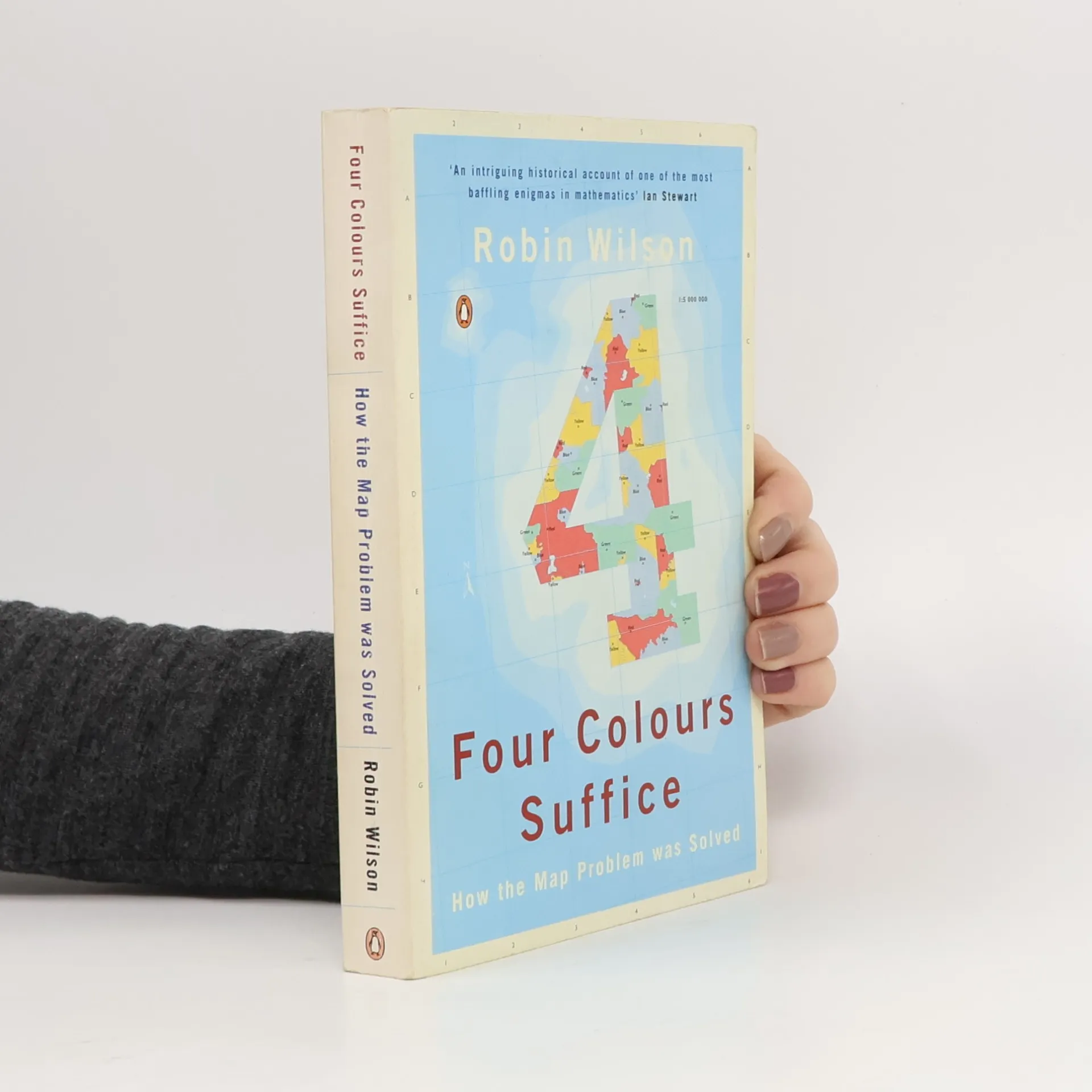
Four Colors Suffice
How the Map Problem Was Solved
Autori
Viac o knihe
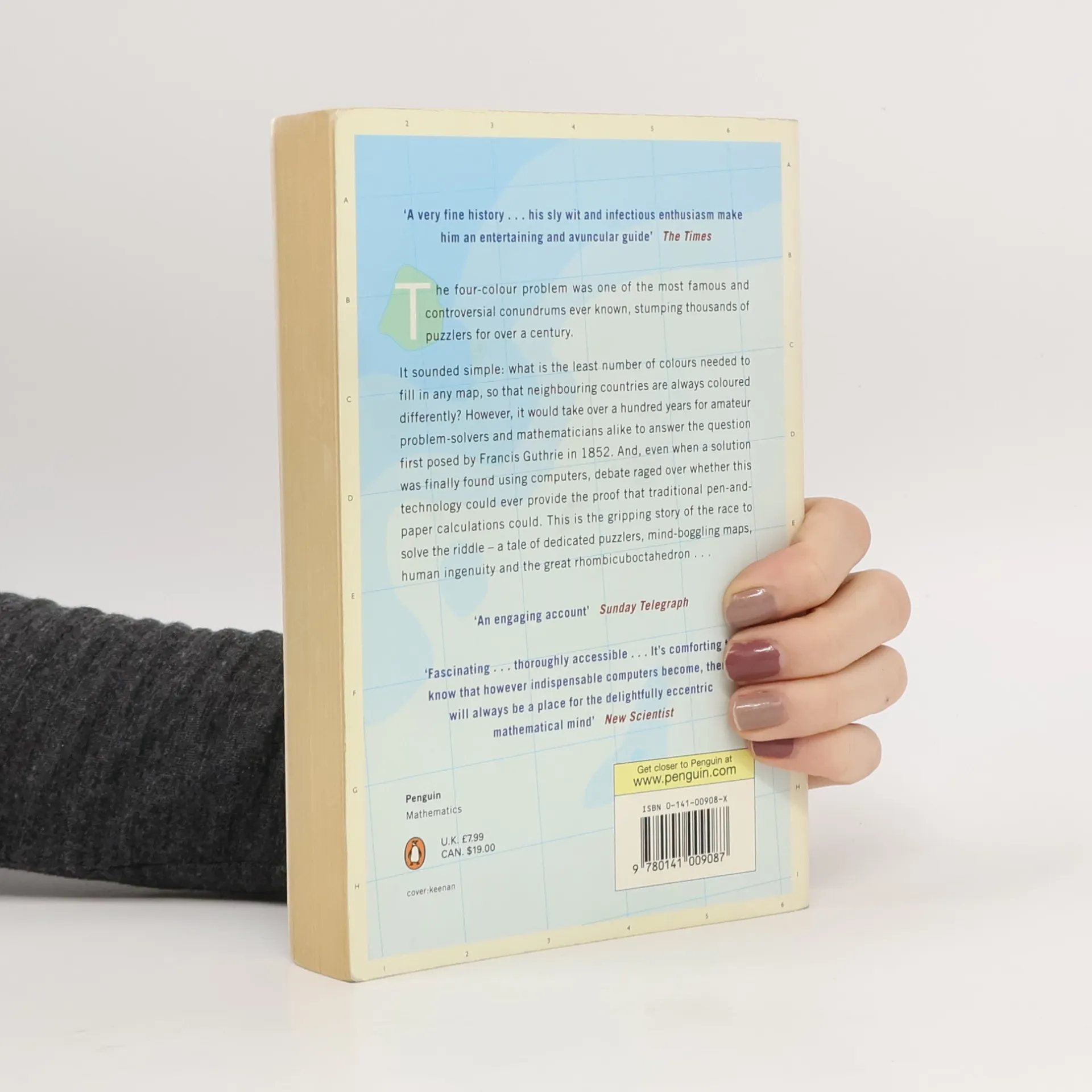
The four-colour problem was one of the most famous and controversial conundrums ever known, and stumped thousands of puzzlers for over a century. It sounded simple: what is the least number of colours needed to fill in any map, so that neighbouring countries are always coloured differently? However, it would take over a hundred years for amateur problem - solvers and mathematicians alike to answer the question first posed by Francis Guthrie in 1852. And, even when a solution was finally found using computers, debate raged over whether this technology could ever provide the proof that traditional pen - and - paper calculations could. This is the gripping story of the race to solve the riddle - a tale of dedicated puzzlers, mind-boggling maps, human ingenuity and the great rhombicuboctahedron...
Nákup knihy
Four Colors Suffice, Robin J. Wilson
- Jazyk

- Rok vydania
- 2003
- Väzba
- (mäkká),
- Stav knihy
- Dobrá
- Cena
- 9,39 €
Doručenie
Platobné metódy
Nikto zatiaľ neohodnotil.
- Titul
- Four Colors Suffice
- Podtitul
- How the Map Problem Was Solved
- Jazyk
- anglicky
- Autori
- Robin J. Wilson
- Vydavateľ
- Penguin Books
- Rok vydania
- 2003
- Väzba
- mäkká
- Počet strán
- 262
- ISBN10
- 014100908X
- ISBN13
- 9780141009087
- Série
- Kategórie
- Štítky
- Veda, Kartografia, Mikrohistória
- Anotácia
- The four-colour problem was one of the most famous and controversial conundrums ever known, and stumped thousands of puzzlers for over a century. It sounded simple: what is the least number of colours needed to fill in any map, so that neighbouring countries are always coloured differently? However, it would take over a hundred years for amateur problem - solvers and mathematicians alike to answer the question first posed by Francis Guthrie in 1852. And, even when a solution was finally found using computers, debate raged over whether this technology could ever provide the proof that traditional pen - and - paper calculations could. This is the gripping story of the race to solve the riddle - a tale of dedicated puzzlers, mind-boggling maps, human ingenuity and the great rhombicuboctahedron...