

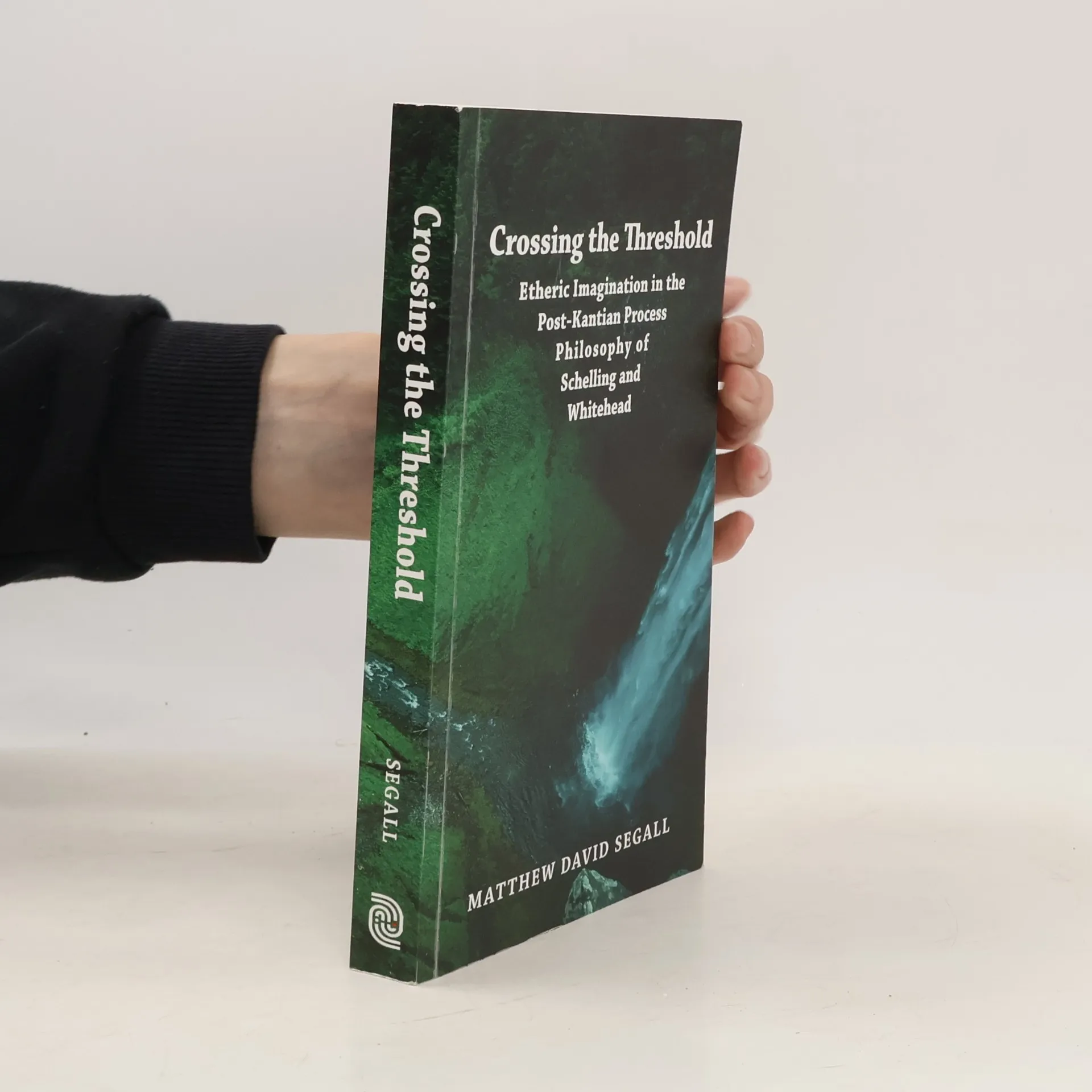
Crossing the Threshold
Etheric Imagination in the Post-Kantian Process Philosophy of Schelling and Whitehead
Autori
Viac o knihe
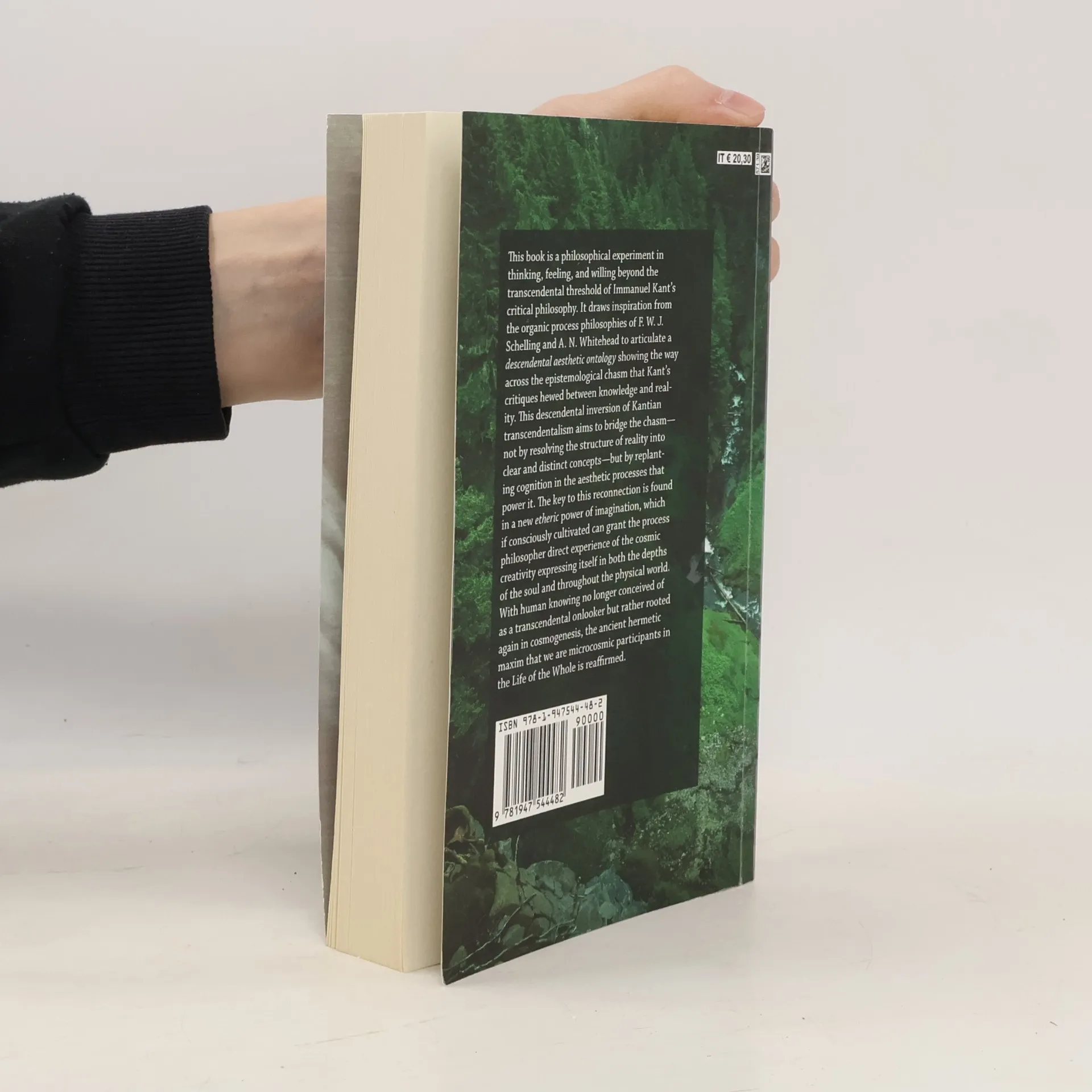
This book is a philosophical experiment in thinking, feeling, and willing beyond the transcendental threshold of Immanuel Kant's critical philosophy. It draws inspiration from the organic process philosophies of F. W. J. Schelling and A. N. Whitehead to articulate a descendental aesthetic ontology showing the way across the epistemological chasm that Kant's critiques hewed between knowledge and reality. This descendental inversion of Kantian transcendentalism aims to bridge the chasm-not by resolving the structure of reality into clear and distinct concepts-but by replanting cognition in the aesthetic processes that power it. The key to this reconnection is found in a new etheric power of imagination, which if consciously cultivated can grant the process philosopher direct experience of the cosmic creativity expressing itself in both the depths of the soul and throughout the physical world. With human knowing no longer conceived of as a transcendental onlooker but rather rooted again in cosmogenesis, the ancient hermetic maxim that we are microcosmic participants in the Life of the Whole is reaffirmed.
Nákup knihy
Crossing the Threshold, Matthew David Segall
- Jazyk

- Rok vydania
- 2023
- Väzba
- (mäkká),
- Stav knihy
- Dobrá
- Cena
- 6,89 €
Doručenie
Platobné metódy
Nikto zatiaľ neohodnotil.
- Titul
- Crossing the Threshold
- Podtitul
- Etheric Imagination in the Post-Kantian Process Philosophy of Schelling and Whitehead
- Jazyk
- anglicky
- Autori
- Matthew David Segall
- Vydavateľ
- Integral Imprint
- Rok vydania
- 2023
- Väzba
- mäkká
- Počet strán
- 262
- ISBN10
- 1947544489
- ISBN13
- 9781947544482
- Série
- Anotácia
- This book is a philosophical experiment in thinking, feeling, and willing beyond the transcendental threshold of Immanuel Kant's critical philosophy. It draws inspiration from the organic process philosophies of F. W. J. Schelling and A. N. Whitehead to articulate a descendental aesthetic ontology showing the way across the epistemological chasm that Kant's critiques hewed between knowledge and reality. This descendental inversion of Kantian transcendentalism aims to bridge the chasm-not by resolving the structure of reality into clear and distinct concepts-but by replanting cognition in the aesthetic processes that power it. The key to this reconnection is found in a new etheric power of imagination, which if consciously cultivated can grant the process philosopher direct experience of the cosmic creativity expressing itself in both the depths of the soul and throughout the physical world. With human knowing no longer conceived of as a transcendental onlooker but rather rooted again in cosmogenesis, the ancient hermetic maxim that we are microcosmic participants in the Life of the Whole is reaffirmed.