

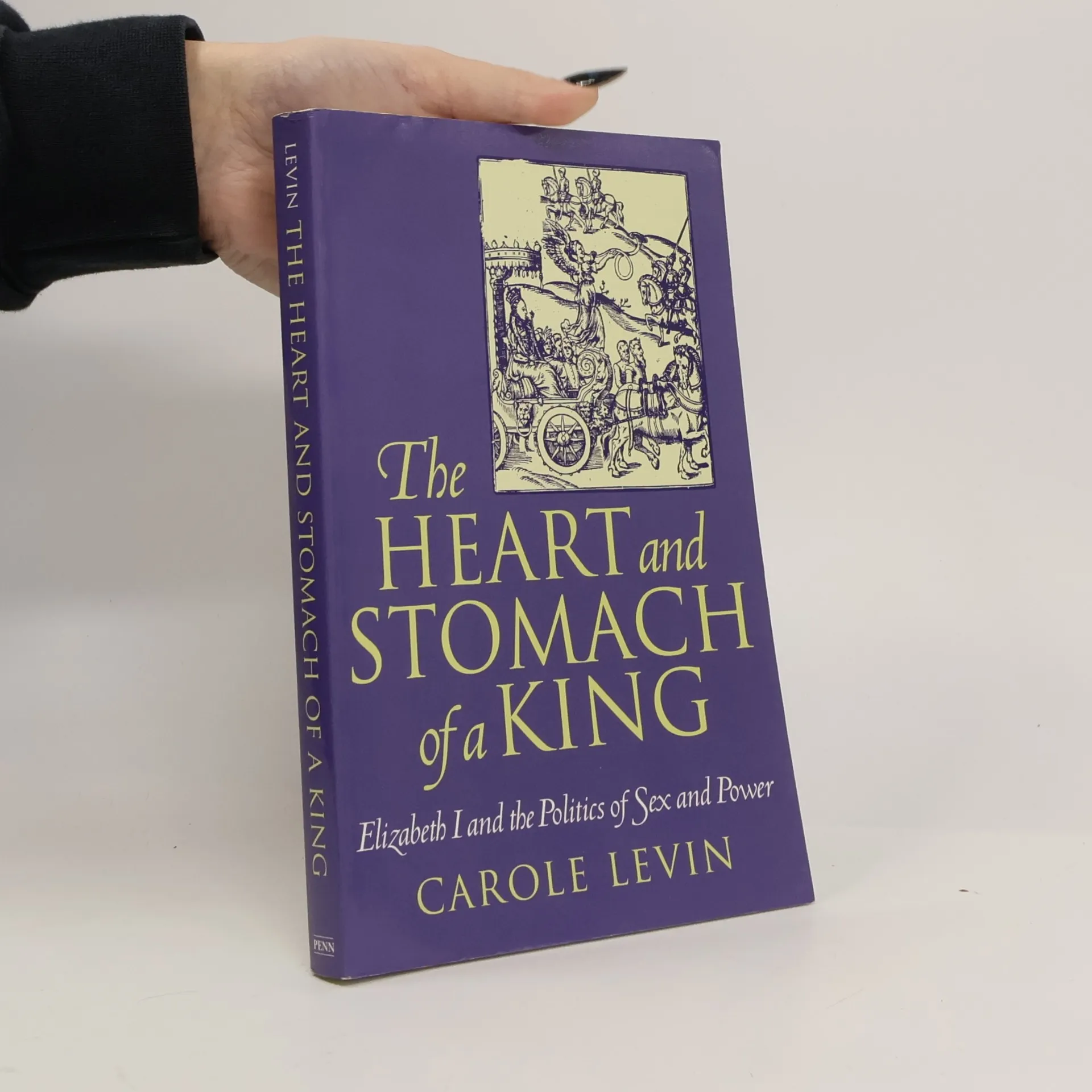
The Heart and Stomach of a King
Elizabeth I and the Politics of Sex and Power
Autori
Viac o knihe
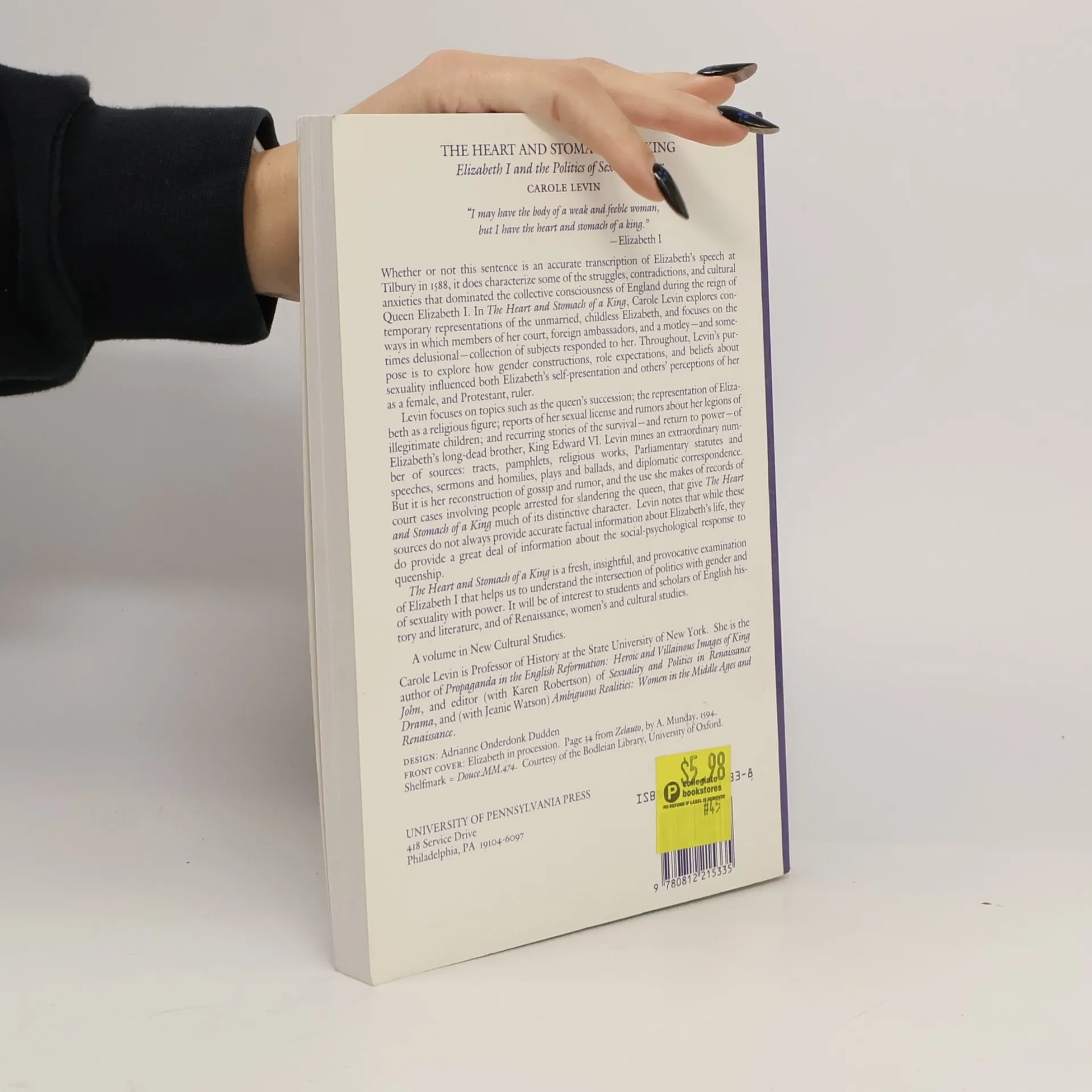
Chosen as one of the ten best academic books of the 1990s by Lingua Franca readers "I may have the body of a weak and feeble woman, but I have the heart and stomach of a king."—Elizabeth I Whether this sentence is an accurate transcription of Elizabeth's speech at Tilbury in 1588, it does characterize some of the struggles, contradictions, and cultural anxieties that dominated the collective consciousness of England during the reign of Queen Elizabeth I. In The Heart and Stomach of a King , Carole Levin explores contemporary representations of the unmarried, childless Elizabeth and focuses on the ways in which members of her court, foreign ambassadors, and a motley—and sometimes delusional—collection of subjects responded to her. Throughout, Levin's purpose is to explore how gender constructions, role expectations, and beliefs about sexuality influenced both Elizabeth's self-presentation and others' perceptions of her as a female, and Protestant, ruler.
Nákup knihy
The Heart and Stomach of a King, Carole Levin
- Jazyk

- Rok vydania
- 1996
- Väzba
- (mäkká),
- Stav knihy
- Dobrá
- Cena
- 10,49 €
Doručenie
Platobné metódy
Nikto zatiaľ neohodnotil.
- Titul
- The Heart and Stomach of a King
- Podtitul
- Elizabeth I and the Politics of Sex and Power
- Jazyk
- anglicky
- Autori
- Carole Levin
- Vydavateľ
- University of Pennsylvania Press
- Rok vydania
- 1996
- Väzba
- mäkká
- Počet strán
- 256
- ISBN10
- 0812215338
- ISBN13
- 9780812215335
- Série
- Štítky
- Historické téma, Politika, USA, Škola, Veľká Británia, Politické teórie, Gender, Povinné čítanie, 16. storočie, Kráľovné, Tudorovci, Politické aspekty
- Anotácia
- Chosen as one of the ten best academic books of the 1990s by Lingua Franca readers "I may have the body of a weak and feeble woman, but I have the heart and stomach of a king."—Elizabeth I Whether this sentence is an accurate transcription of Elizabeth's speech at Tilbury in 1588, it does characterize some of the struggles, contradictions, and cultural anxieties that dominated the collective consciousness of England during the reign of Queen Elizabeth I. In The Heart and Stomach of a King , Carole Levin explores contemporary representations of the unmarried, childless Elizabeth and focuses on the ways in which members of her court, foreign ambassadors, and a motley—and sometimes delusional—collection of subjects responded to her. Throughout, Levin's purpose is to explore how gender constructions, role expectations, and beliefs about sexuality influenced both Elizabeth's self-presentation and others' perceptions of her as a female, and Protestant, ruler.