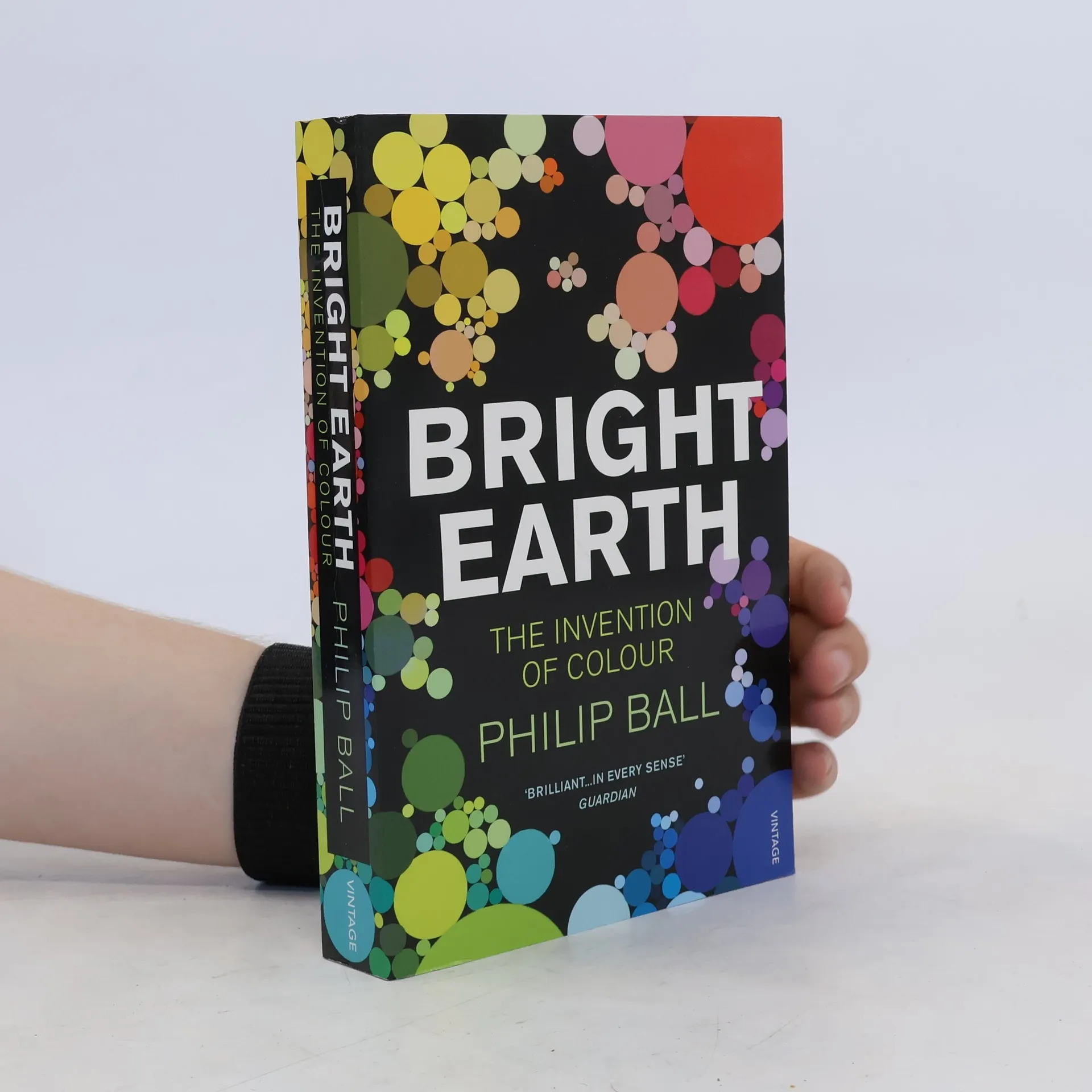
Bright Earth
- 448 stránok
- 16 hodin čítania
Colour in art - as in life - is both inspiring and uplifting, but where does it come from?
3,9



Colour in art - as in life - is both inspiring and uplifting, but where does it come from?
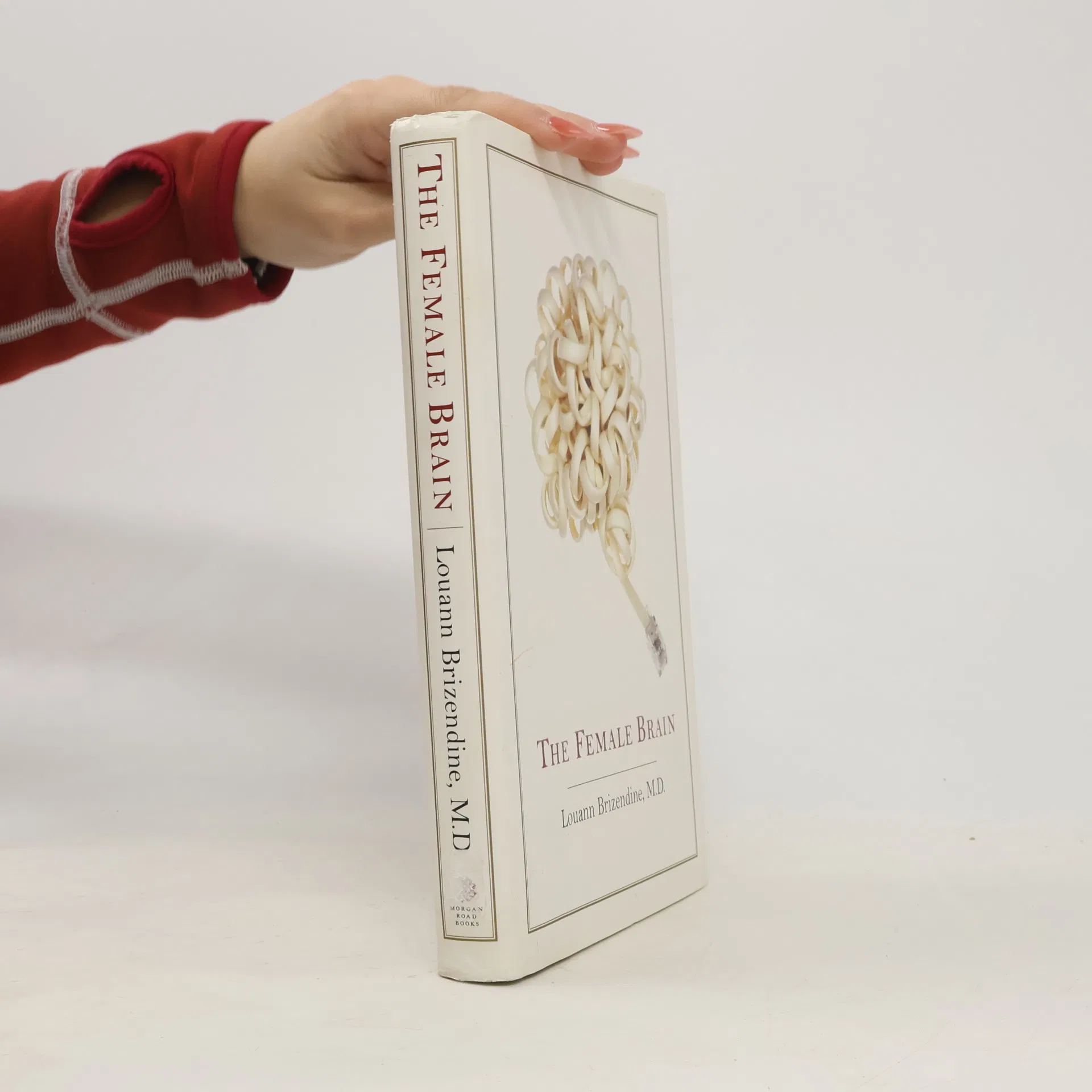
This comprehensive new look at the hormonal roller coaster that rules women's lives down to the cellular level, "a user's guide to new research about the female brain and the neurobehavioral systems that make us women," offers a trove of information, as well as some stunning insights. Though referenced like a work of research, Brizedine's writing style is fully accessible. Brizendine provides a fascinating look at the life cycle of the female brain from birth ("baby girls will connect emotionally in ways that baby boys don't") to birthing ("Motherhood changes you because it literally alters a woman's brain-structurally, functionally, and in many ways, irreversibly") to menopause (when "the female brain is nowhere near ready to retire") and beyond. At the same time, Brizedine is not above reviewing the basics: "We may think we're a lot more sophisticated than Fred or Wilma Flintstone, but our basic mental outlook and equipment are the same." While this book will be of interest to anyone who wonders why men and women are so different, it will be particularly useful for women and parents of girls.
"In this provocative and compelling book, Dambisa Moyo argues that the most important challenge we face today is to destroy the myth that Aid actually works. In the modern globalized economy, simply handing out more money, however well intentioned, will not help the poorest nations achieve sustainable long-term growth. Dead Aid analyses the history of economic development over the last fifty years and shows how Aid crowds out financial and social capital and feeds corruption; the countries that have 'caught up' did so despite rather than because of Aid."--Jacket
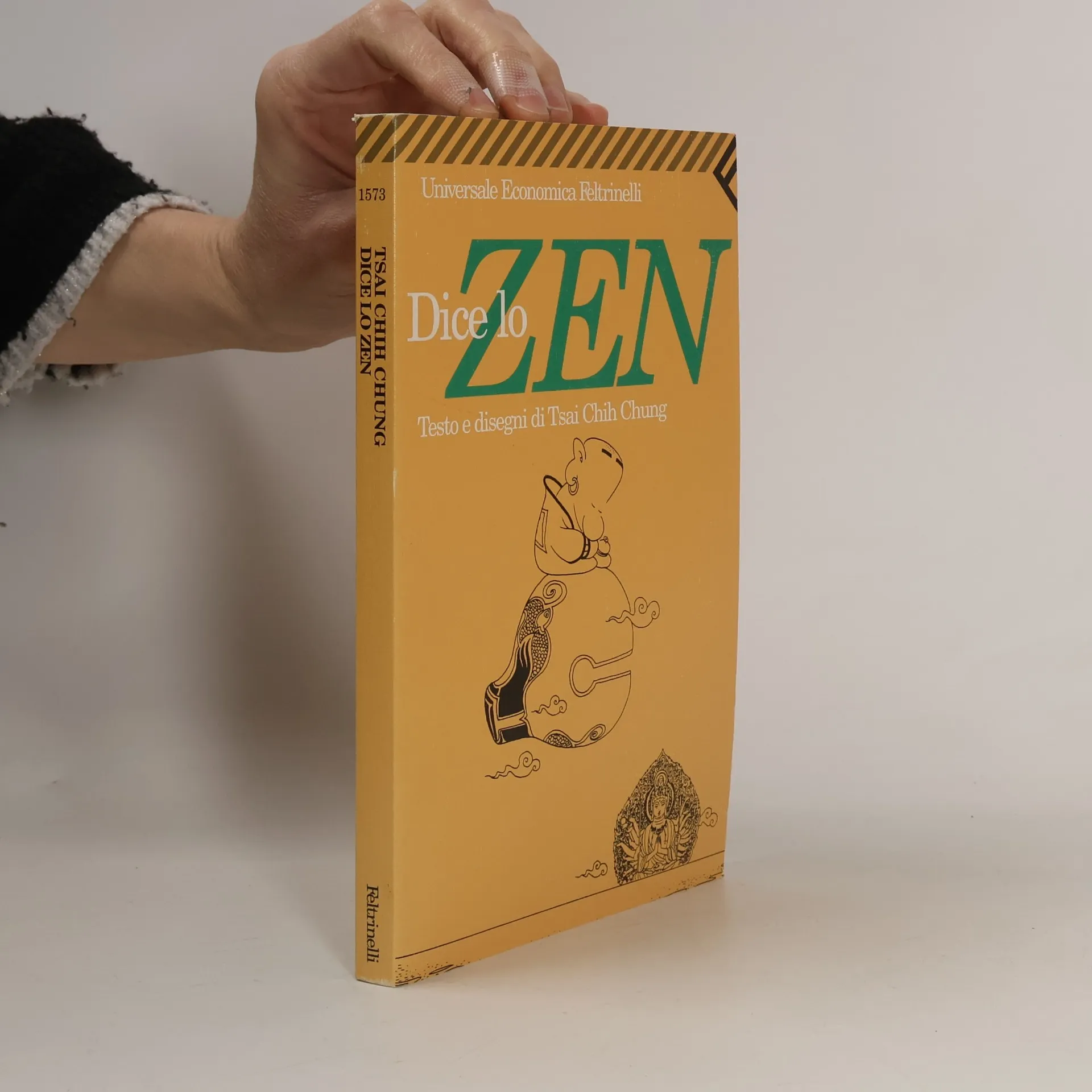
Più di duemila anni fa un famoso saggio taoista, di nome Chuang Tsu, scrisse un libro. Tsai Chih Chung, un giorno, lo ha illustrato con dei fumetti. Ne è nato un nuovo genere letterario: un serio libro a fumetti che illustra una profonda sapienza non allo scopo di semplificarla, bensì di renderla chiara. Le parole del cinese classico, di difficile comprensione oggi, usate nei testi buddhisti risalenti al settimo secolo, sono state tradotte in una lingua moderna e la filosofia Zen, a partire da quella più antica poi continuata fino all'epoca moderna in Cina, Corea e Giappone, è stata trasposta per immagini.