Will MacAskill je filozof, ktorý sa zameriava na to, ako môžeme čo najlepšie pomôcť druhým. Jeho práca sa sústreďuje na etické rozhodovanie a na to, ako efektívne smerovať zdroje na riešenie globálnych problémov. Skúma filozofické základy filantropie a praktické spôsoby, ako maximalizovať pozitívny dopad nášho konania. Jeho analýzy podnecujú k hlbšiemu zamysleniu nad zodpovednosťou, ktorú máme voči svetu.
Analytische annotatie: Moraalfilosofisch pleidooi voor een levensopvatting die uitgaat van de vooronderstelling dat toekomstige generaties ertoe doen en streeft naar het op lange termijn positief beïnvloeden van de toekomst. Met illustraties.
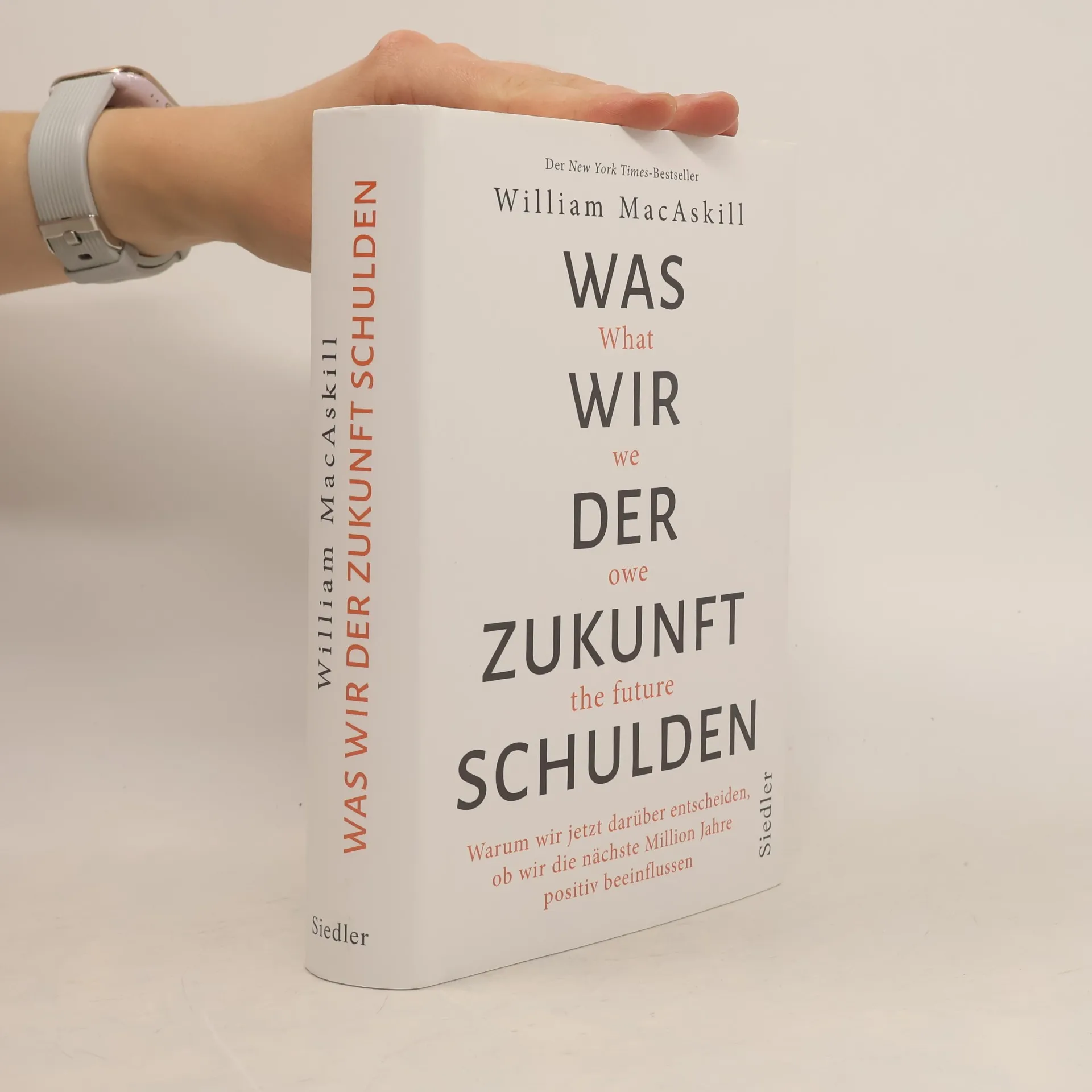
Warum wir jetzt darüber entscheiden, ob wir die nächste Million Jahre positiv beeinflussen - New York Times-Bestseller
448 stránok
16 hodin čítania
Wie wir mit den richtigen Entscheidungen den Enkeln unserer Enkel ein Leben in Sicherheit und Glück ermöglichen »Dieses Buch ist ein monumentales Ereignis.« Rutger Bregman Der britische Philosoph und Aktivist Will MacAskill fordert ein radikal neues Denken beim Thema Nachhaltigkeit: Unser heutiges Handeln muss nicht nur die Konsequenzen für die nächsten Generationen miteinbeziehen, sondern auch die Folgen für die Menschheit in einer weit entfernten Zukunft. Es reicht nicht aus, den Klimawandel einzudämmen oder die nächste Pandemie zu verhindern. Wir müssen sicherstellen, dass sich die Menschheit nach einem Kollaps auch wieder erholt. Ein Manifest von enormer Sprengkraft – minutiös recherchiert und brillant geschrieben. Mit zahlreichen Abbildungen und Grafiken. Ausstattung: Mit zahlreichen Grafiken und Fotos
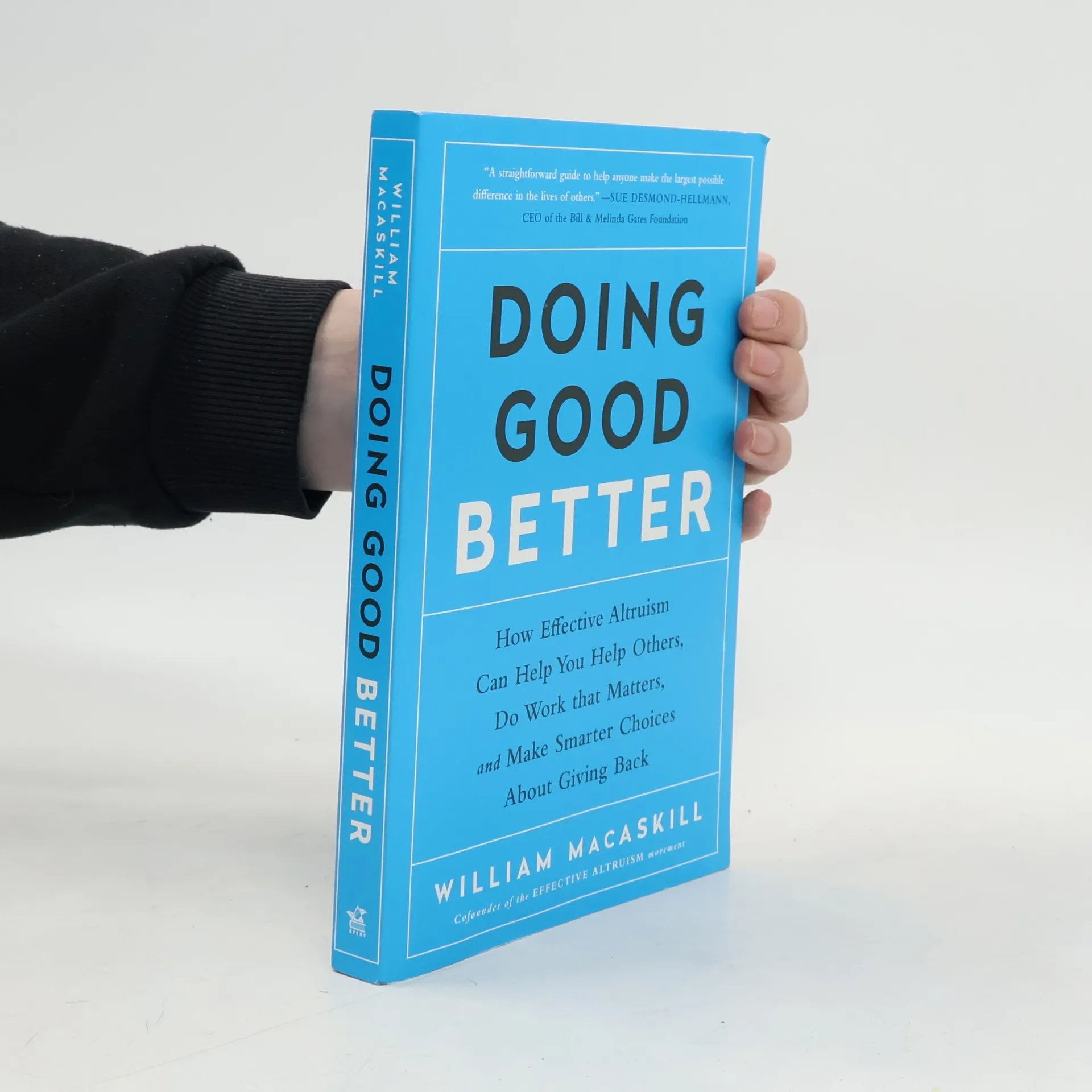
An up-and-coming visionary in the world of philanthropy and a cofounder of the effective altruism movement explains why most of our ideas about how to make a difference are wrong and presents a counterintuitive way for each of us to do the most good possible. While a researcher at Oxford, William MacAskill decided to devote his study to a simple question: How can we do good better? MacAskill realized that, while most of us want to make a difference, we often decide how to do so based on assumptions and emotions rather than facts. As a result, our good intentions often lead to ineffective, sometimes downright harmful, outcomes. As an antidote, MacAskill and his colleagues developed effective altruism—a practical, data-driven approach to doing good that allows us to make a tremendous difference regardless of our resources. Effective altruists operate by asking certain key questions that force them to think differently, set aside biases, and use evidence and careful reasoning rather than act on impulse. In Doing Good Better, MacAskill lays out these principles and shows that, when we use them correctly—when we apply the head and the heart to each of our altruistic endeavors—each of us has the power to do an astonishing amount of good.