
Bookbot

Maren Klostermann Knihy

    Zwei Seiten der Erfahrung
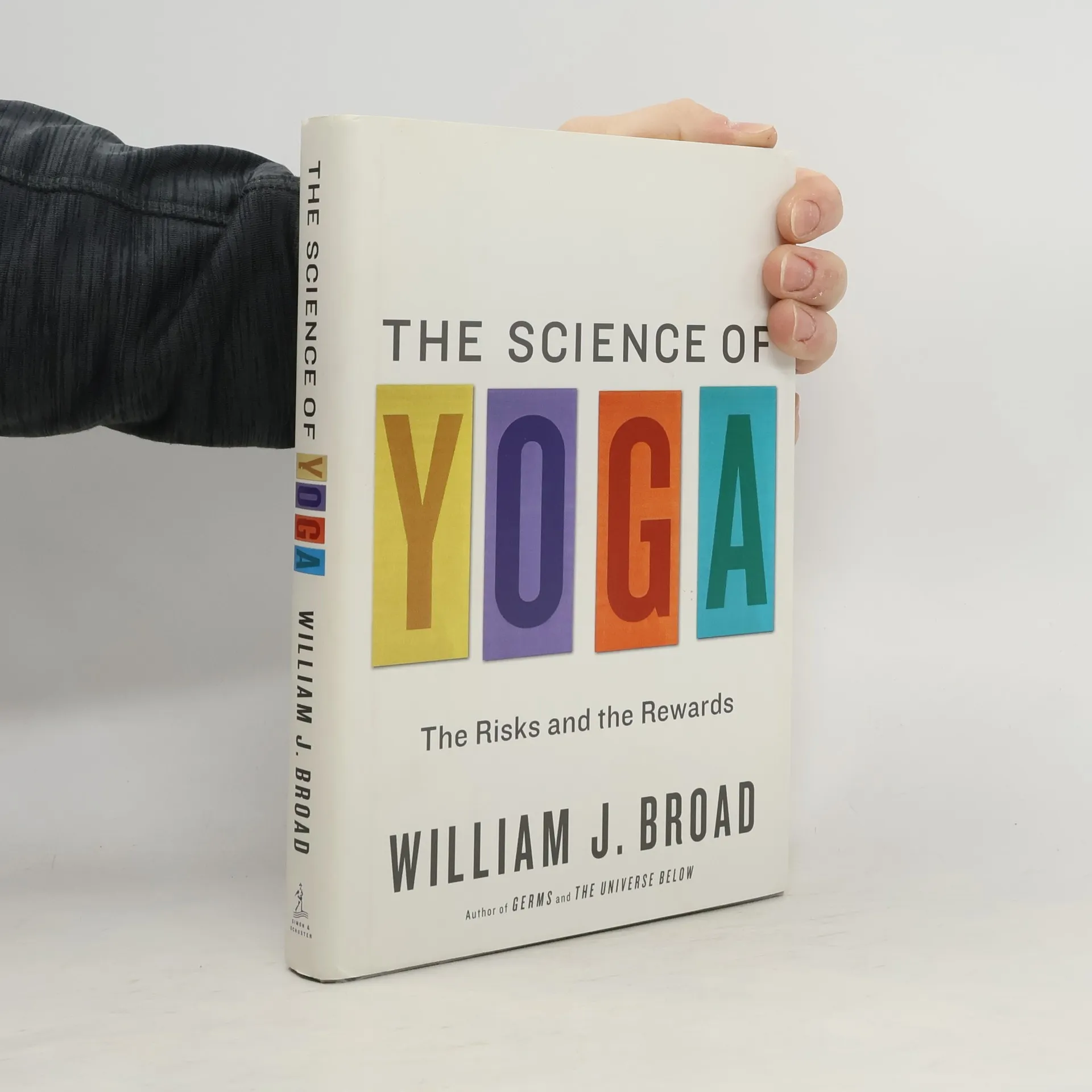
    The Science of Yoga
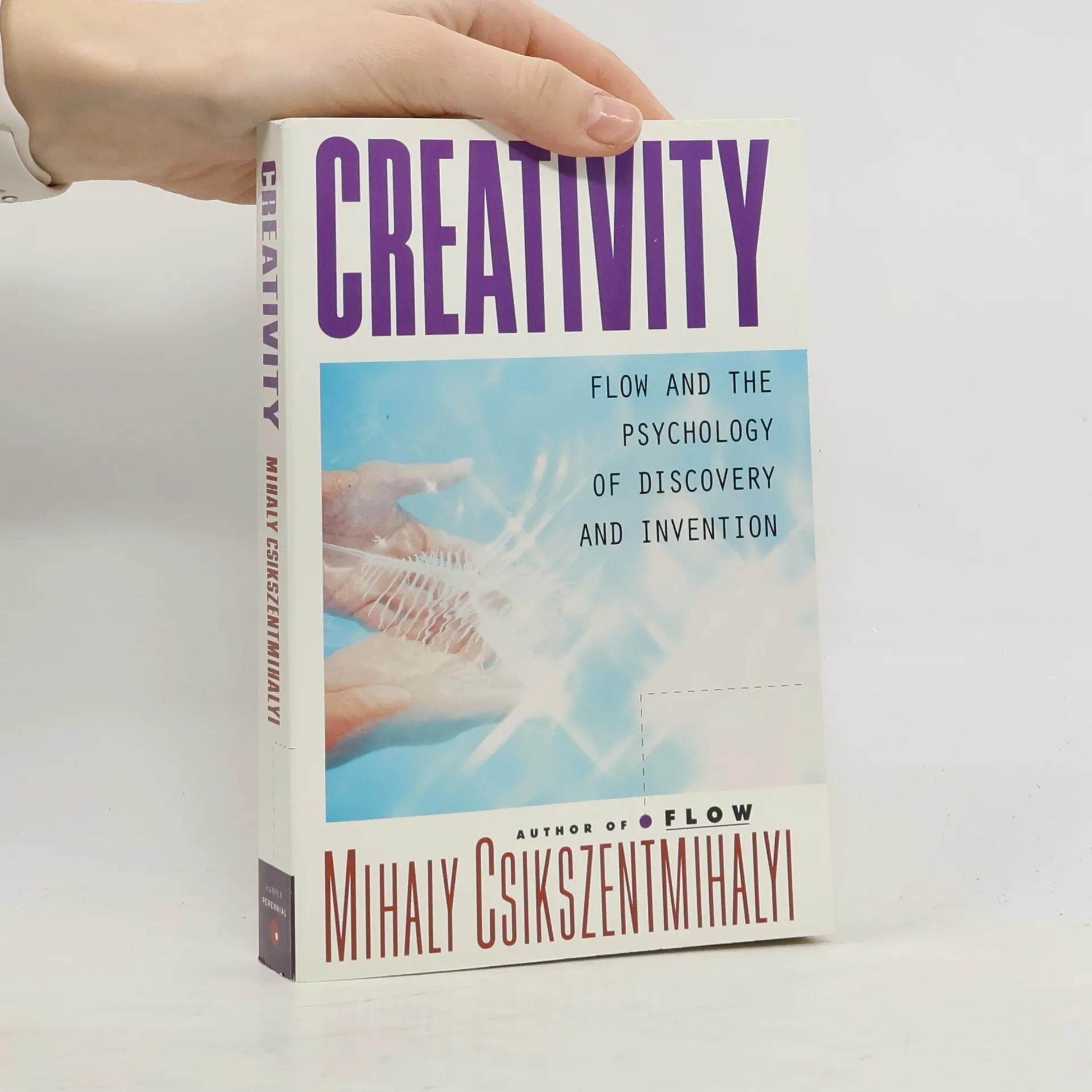
    Creativity
    • Creativity

      • 464 stránok
      • 17 hodin čítania

      Creativity is about capturing those moments that make life worth living. The author's objective is to offer an understanding of what leads to these moments, be it the excitement of the artist at the easel or the scientist in the lab, so that knowledge can be used to enrich people's lives. Drawing on 100 interviews with exceptional people, from biologists and physicists to politicians and business leaders, poets and artists, as well as his 30 years of research on the subject, Csikszentmihalyi uses his famous theory to explore the creative process. He discusses such ideas as why creative individuals are often seen as selfish and arrogant, and why the tortured genius is largely a myth. Most important, he clearly explains why creativity needs to be cultivated and is necessary for the future of our country, if not the world.
      Creativity
      4,1
    • The Science of Yoga

      • 298 stránok
      • 11 hodin čítania

      The Science of Yoga draws on a hidden wealth of science, history, and surprising facts to cut through the fog that surrounds contemporary yoga and to show - for the first time - what is uplifting and beneficial and what is delusional, flaky, and dangerous. At heart, it illuminates the risks and rewards. The book takes the reader on a whirlwind tour of undiscovered yoga that goes from old libraries in Calcutta to the world capitals of medical research, from little-known archives to spotless laboratories, from sweaty yoga classes with master teachers to the cosy offices of yoga healers. In the process, it shatters myths, lays out unexpected benefits, and offers a compelling vision of how to improve the discipline.

      The Science of Yoga
      3,7
    • Zwei Seiten der Erfahrung

      • 128 stránok
      • 5 hodin čítania

      Wird man aus Erfahrung klug? Das ist die scheinbar einfache Frage, mit der sich dieses Buch befasst. Der Autor geht der Frage nach, welche Rolle die Erfahrung bei der Schaffung von „Intelligenz“, insbesondere in Organisationen, spielt oder spielen sollte. Organisationen und Einzelne streben nach Intelligenz, die definiert wird als das Bemühen um eine bessere Anpassung an die Umwelt und um Sinnstiftung. Trotz der allgemeinen Begeisterung für die „lernende Organisation“ ist die Nachweislage nicht eindeutig: Der Autor erörtert die Mechanismen, die Möglichkeiten und die Grenzen des Erfahrungslernens. March sieht die Vorteile dieser Form des Lernens, zeigt aber auch, warum die Folgerungen, die Organisationen und Einzelne aus ihren Erfahrungsdaten ziehen, häufig irreführend sind. Darauf aufbauenend legt March dar, in welchem Verhältnis das Erfahrungslernen zur Generierung von Neuem steht und entwickelt Elemente einer Innovationstheorie.

      Zwei Seiten der Erfahrung