

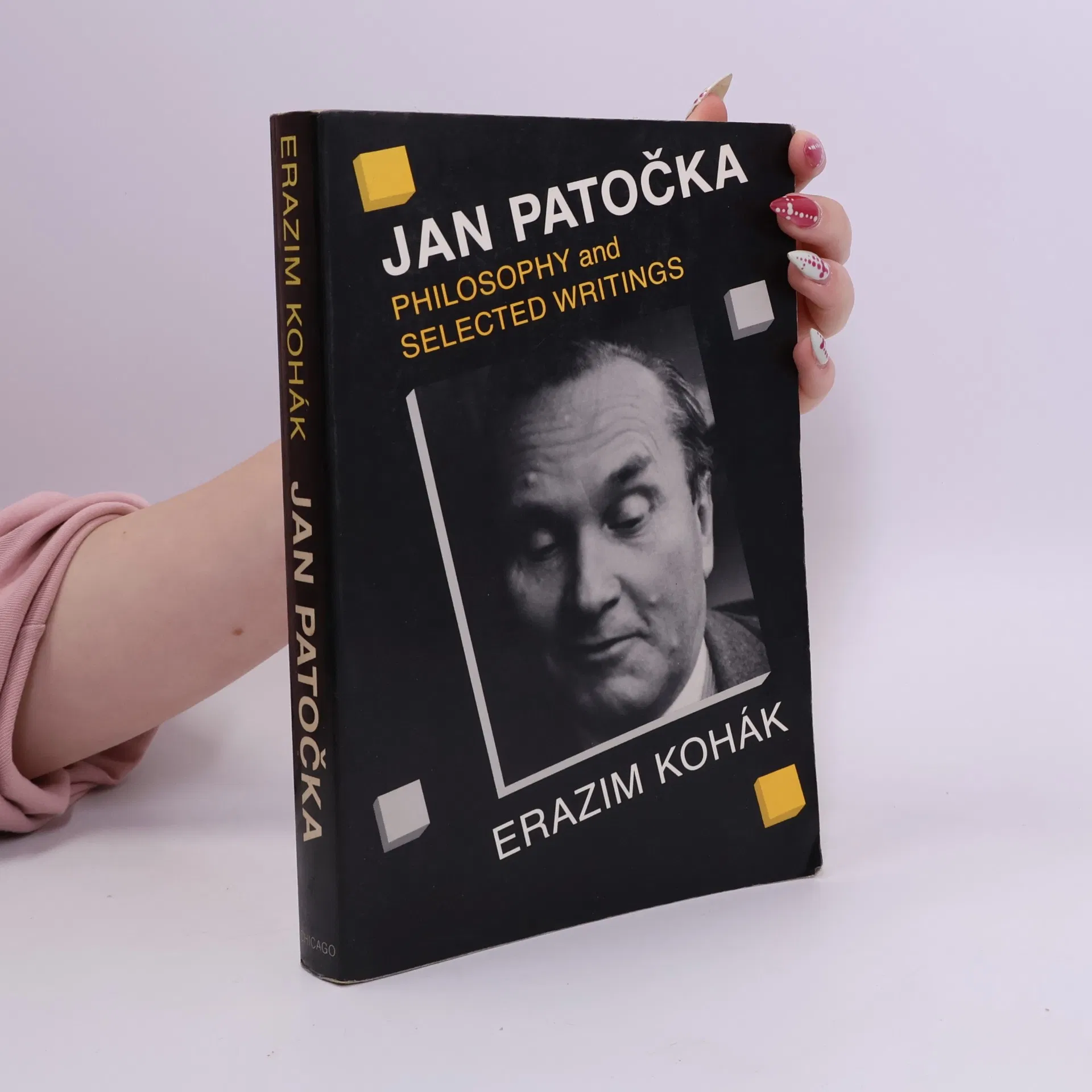

Jan Patocka
Philosophy and Selected Writings
Autori
Viac o knihe
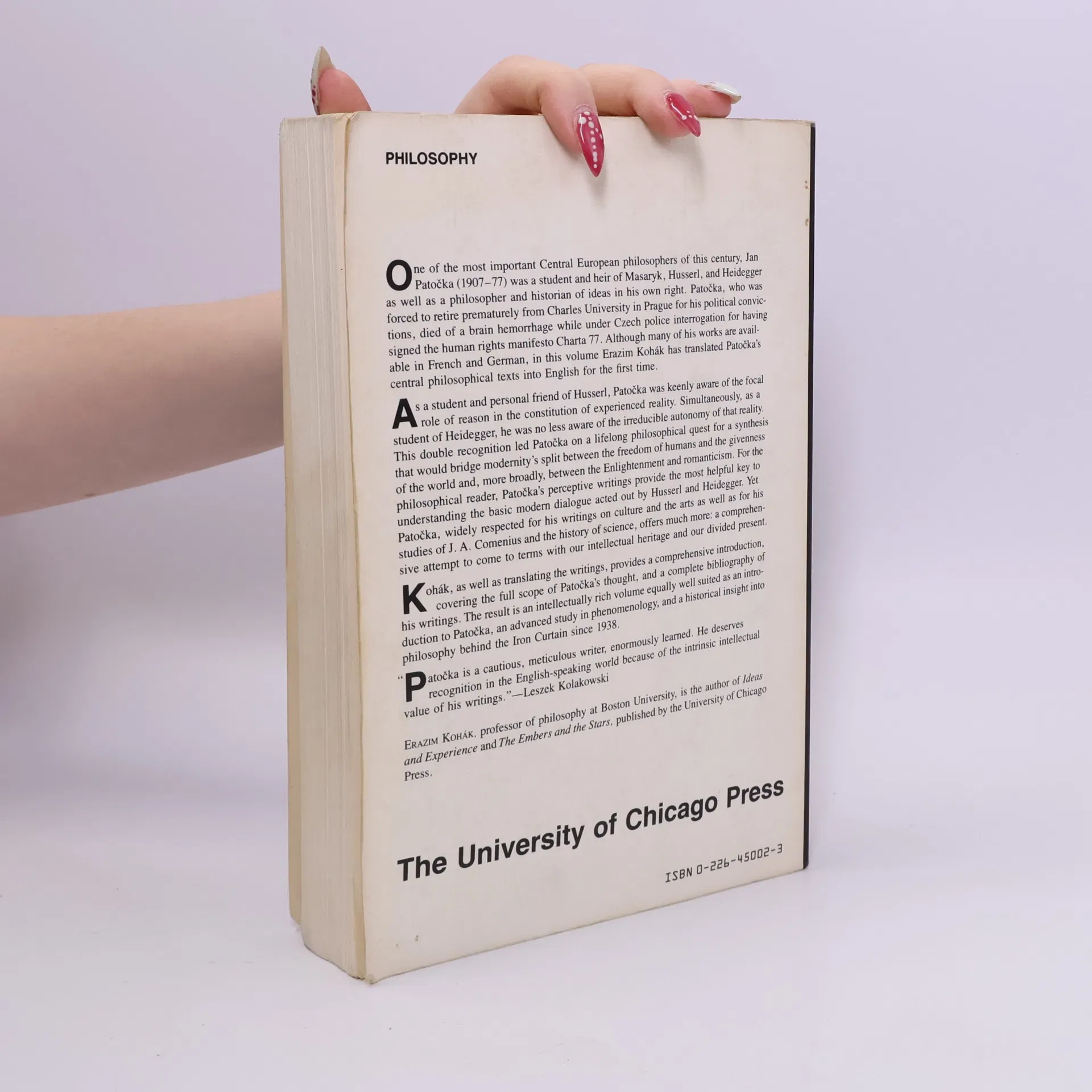
One of the most important Central European philosophers of this century, Jan Patocka (1907-77) was a student and heir of Masaryk, Husserl, and Heidegger as well as a philosopher and historian of ideas in his own right. Patocka, who was forced to retire prematurely from Charles University in Prague for his political convictions, died of a brain hemorrhage while under Czech police interrogation for having signed the human rights manifesto Charta 77. Although many of his works are available in French and German, in this volume Erazim Kohák has translated Patocka's central philosophical texts into English for the first time.As a student and personal friend of Husserl, Patocka was keenly aware of the focal role of reason in the constitution of experienced reality. Simultaneously, as a student of Heidegger, he was no less aware of the irreducible autonomy of that reality. This double recognition led Patocka on a lifelong philosophical quest for a synthesis that would bridge modernity's split between the freedom of humans and the givenness of the world and, more broadly, between the Enlightenment and romanticism. For the philosophical reader, Patocka's perceptive writings provide the most helpful key to understanding the basic modern dialogue acted out by Husserl and Heidegger. Yet Patocka, widely respected for his writings on culture and the arts as well as for his studies of J. A. Comenius and the history of science, offers much a comprehensive attempt to come to terms with our intellectual heritage and our divided present.Kohák, as well as translating the writings, provides a comprehensive introduction, covering the full scope of Patocka's thought, and a complete bibliography of his writings. The result is an intellectually rich volume equally well suited as an introduction to Patocka, an advanced study in phenomenology, and a historical insight into philosophy behind the Iron Curtain since 1938.
Nákup knihy
Jan Patocka, Jan Patočka, Erazim Kohák
- Jazyk

- Rok vydania
- 1989
- Väzba
- (mäkká),
- Stav knihy
- Poškodená
- Cena
- 28,49 €
Doručenie
Platobné metódy
Nikto zatiaľ neohodnotil.
- Titul
- Jan Patocka
- Podtitul
- Philosophy and Selected Writings
- Jazyk
- anglicky
- Autori
- Jan Patočka, Erazim Kohák
- Vydavateľ
- The University of Chicago Press
- Rok vydania
- 1989
- Väzba
- mäkká
- Počet strán
- 400
- ISBN10
- 0226450023
- ISBN13
- 9780226450025
- Série
- Štítky
- Fenomenológia
- Anotácia
- One of the most important Central European philosophers of this century, Jan Patocka (1907-77) was a student and heir of Masaryk, Husserl, and Heidegger as well as a philosopher and historian of ideas in his own right. Patocka, who was forced to retire prematurely from Charles University in Prague for his political convictions, died of a brain hemorrhage while under Czech police interrogation for having signed the human rights manifesto Charta 77. Although many of his works are available in French and German, in this volume Erazim Kohák has translated Patocka's central philosophical texts into English for the first time.As a student and personal friend of Husserl, Patocka was keenly aware of the focal role of reason in the constitution of experienced reality. Simultaneously, as a student of Heidegger, he was no less aware of the irreducible autonomy of that reality. This double recognition led Patocka on a lifelong philosophical quest for a synthesis that would bridge modernity's split between the freedom of humans and the givenness of the world and, more broadly, between the Enlightenment and romanticism. For the philosophical reader, Patocka's perceptive writings provide the most helpful key to understanding the basic modern dialogue acted out by Husserl and Heidegger. Yet Patocka, widely respected for his writings on culture and the arts as well as for his studies of J. A. Comenius and the history of science, offers much a comprehensive attempt to come to terms with our intellectual heritage and our divided present.Kohák, as well as translating the writings, provides a comprehensive introduction, covering the full scope of Patocka's thought, and a complete bibliography of his writings. The result is an intellectually rich volume equally well suited as an introduction to Patocka, an advanced study in phenomenology, and a historical insight into philosophy behind the Iron Curtain since 1938.