

Viac o knihe
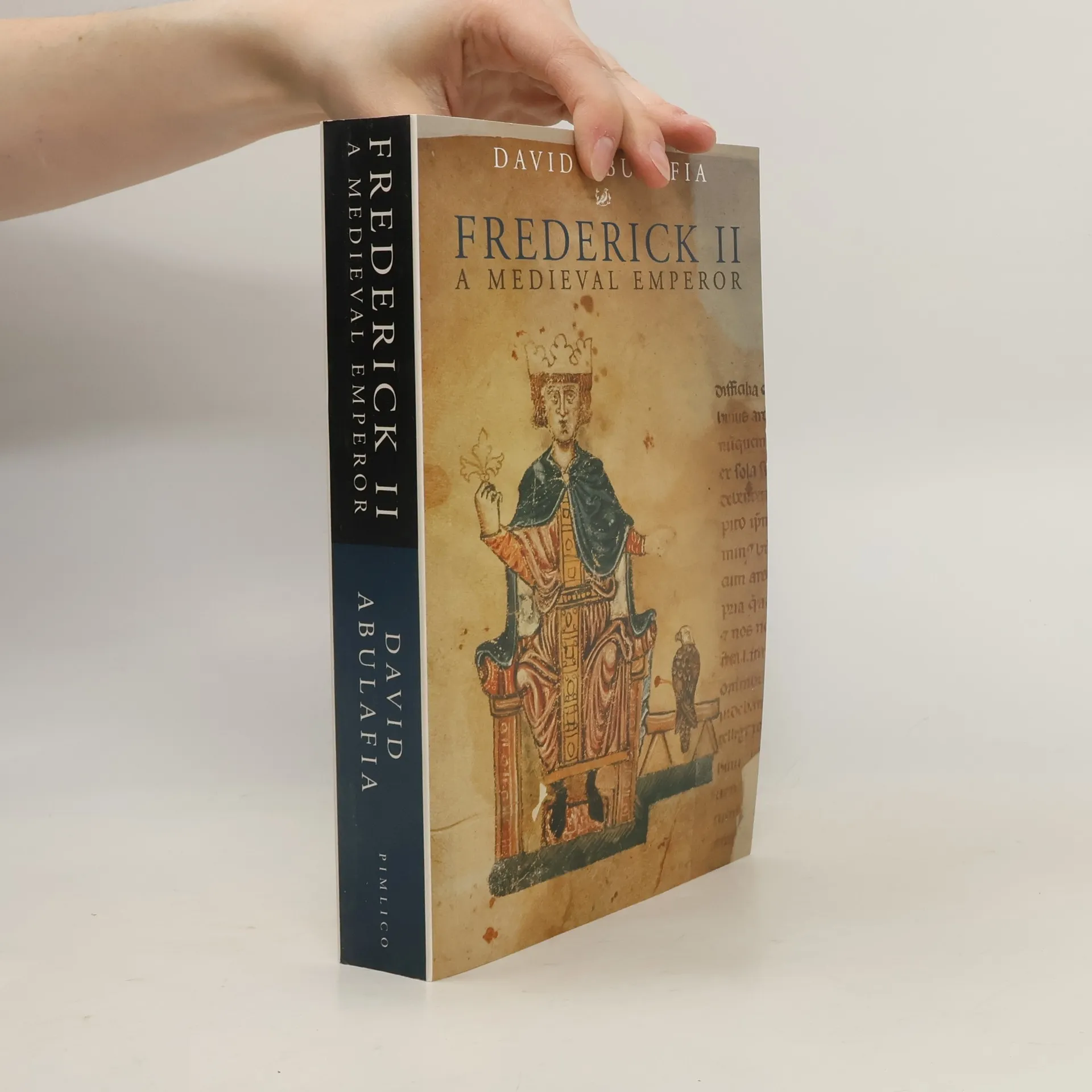
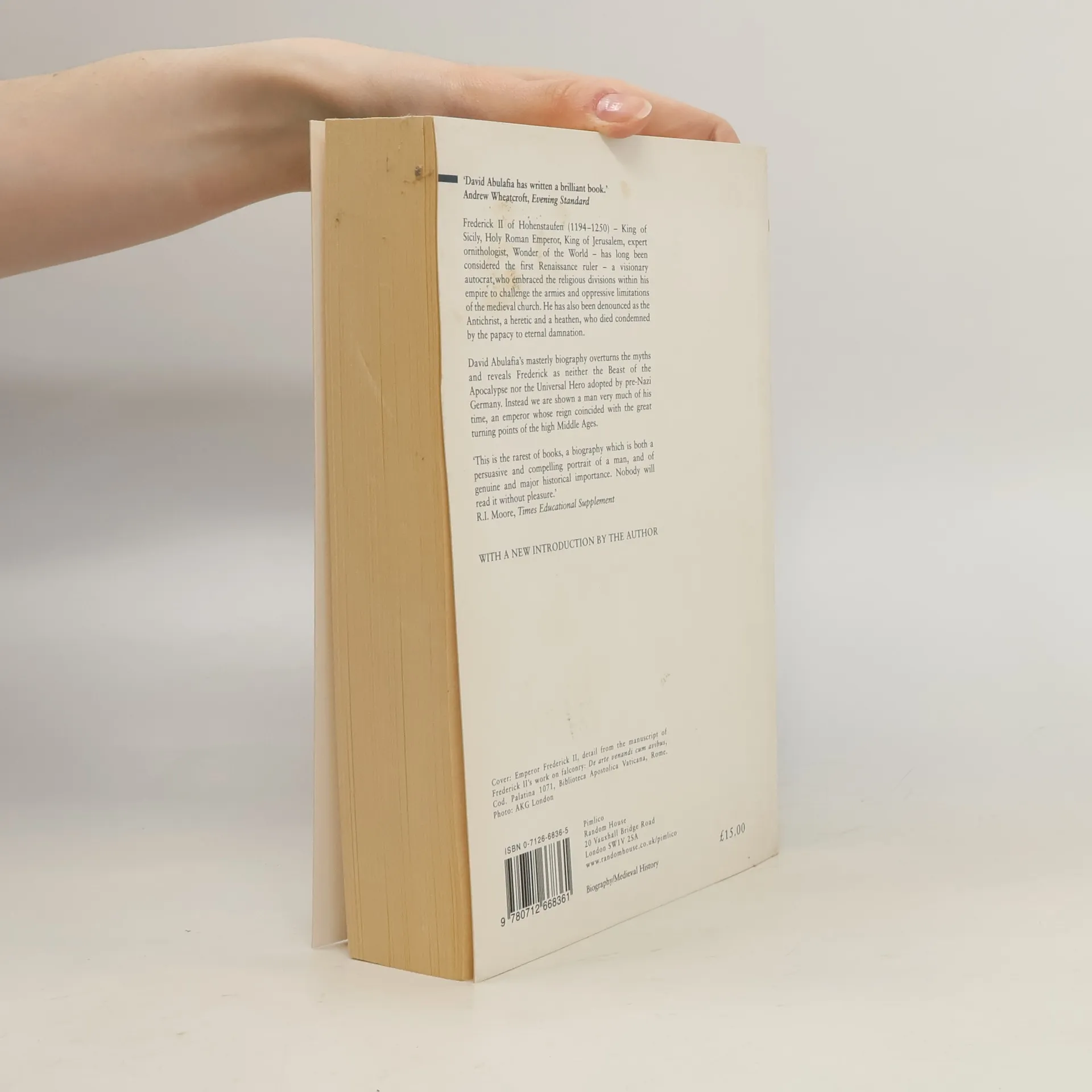
Frederick II of Hohenstaufen (1194-1250) - King of Sicily, Holy Roman Emperor, King of Jerusalem, expert ornithologist, Wonder of the World - has long been considered the first Renaissance ruler - a visionary autocrat who embraced the religious divisions within his empire to challenge the armies and oppressive limitations of the medieval church. He has aslo been denounced as the Antichrist, a heretic and a heathen, who died condemned by the papacy to eternal damnation. David Abulafia's masterly biography overturns the myths and reveals Frederick as neither the Beast of the Apocalypse nor the Universal Hero adopted by pre-Nazi Germany. Instead we are shown a man very much of his time, an emperor whose reign coincided with the great turning-points of the high Middle Ages.



Nákup knihy
Frederick II, David Abulafia
- Jazyk

- Rok vydania
- 2002
- Väzba
- (mäkká)
Tu nám chýba tvoja recenzia
- Titul
- Frederick II
- Podtitul
- A Medieval Emperor
- Jazyk
- anglicky
- Autori
- David Abulafia
- Vydavateľ
- Pimlico
- Rok vydania
- 2002
- Väzba
- mäkká
- Počet strán
- 496
- ISBN10
- 0712668365
- ISBN13
- 9780712668361
- Série
- Štítky
- Historické téma, Nemecko, Južná Európa, Taliansko, Stredovek, Pápeži, Sicílie, Cisári, Svätá ríša rímska
- Pôvodný názov
- Frederick II.
- Hodnotenie
- 4,45 z 5
- Anotácia
- Frederick II of Hohenstaufen (1194-1250) - King of Sicily, Holy Roman Emperor, King of Jerusalem, expert ornithologist, Wonder of the World - has long been considered the first Renaissance ruler - a visionary autocrat who embraced the religious divisions within his empire to challenge the armies and oppressive limitations of the medieval church. He has aslo been denounced as the Antichrist, a heretic and a heathen, who died condemned by the papacy to eternal damnation. David Abulafia's masterly biography overturns the myths and reveals Frederick as neither the Beast of the Apocalypse nor the Universal Hero adopted by pre-Nazi Germany. Instead we are shown a man very much of his time, an emperor whose reign coincided with the great turning-points of the high Middle Ages.