



Parametre
Viac o knihe
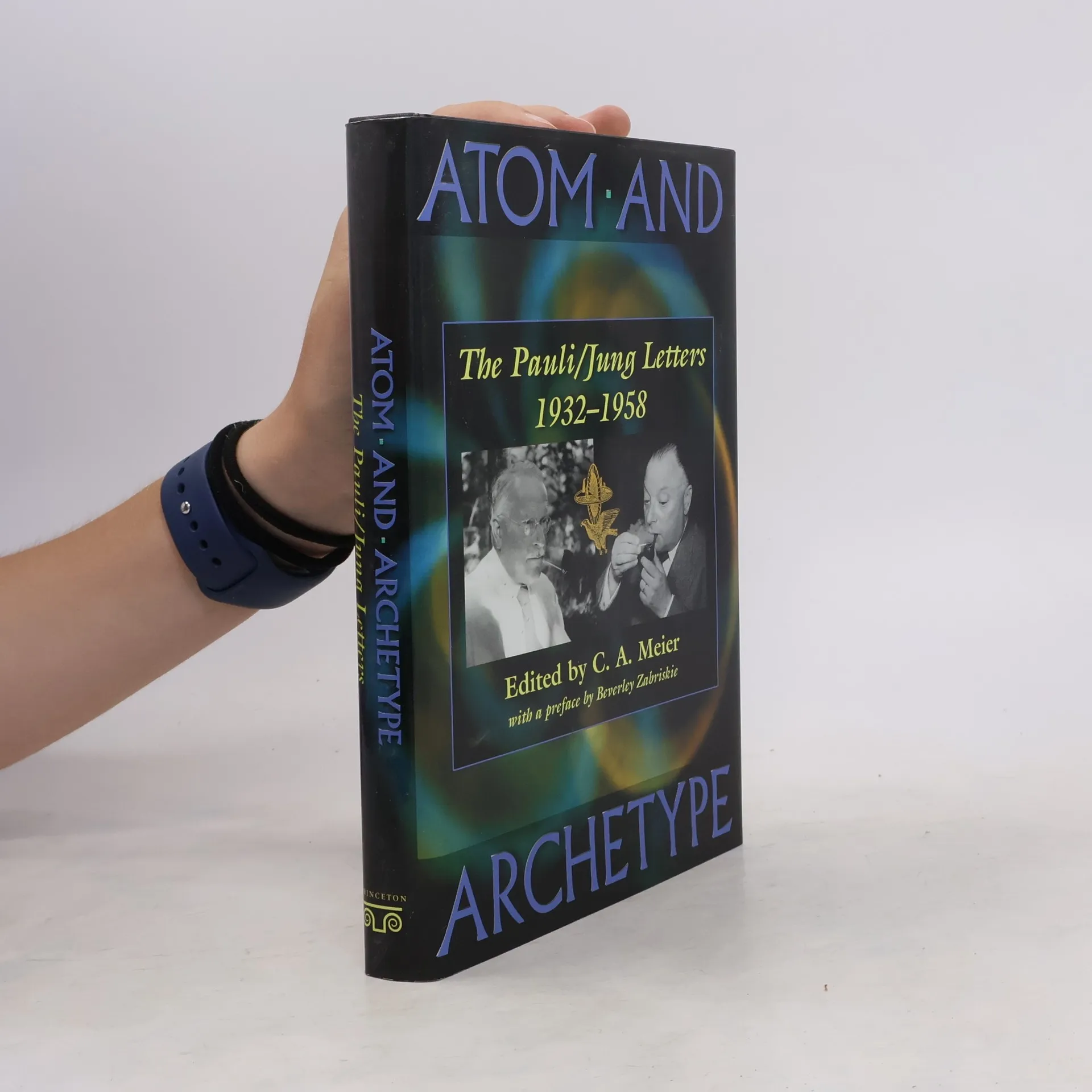
In 1932, Wolfgang Pauli, a renowned physicist on the brink of winning the Nobel Prize, faced personal turmoil following his mother's suicide and a troubled marriage. His heavy drinking and public quarrels were compounded by unsettling dreams, prompting him to seek help from C. G. Jung, with whom he established a regular meeting. This led to a remarkable intellectual partnership that bridged physics and psychology, documented in eighty letters exchanged over twenty-six years. Although Jung never formally analyzed Pauli, he interpreted over 400 of his dreams, contributing to his later works, including "Psychology and Alchemy" and "The Analysis of Dreams." Their discussions explored the connections between dreams and reality, revealing unexpected parallels between depth psychology and quantum physics. Their collaboration culminated in the joint publication of Jung's treatise on synchronicity and Pauli's essay on archetypal ideas in Kepler's writings. This correspondence not only refined their understanding of synchronicity—a term Jung had proposed—but also influenced the development of Jungian psychology through insights from physics. This portrait of their extraordinary friendship appeals to historians of science and those interested in human creativity, showcasing the profound impact of their meeting of great minds.
Vydanie

Nákup knihy
Atom and archetype, Wolfgang Pauli
- Jazyk

- Rok vydania
- 2001
- Väzba
- (pevná)
Doručenie
Platobné metódy
Tu nám chýba tvoja recenzia
- Titul
- Atom and archetype
- Jazyk
- anglicky
- Autori
- Wolfgang Pauli
- Vydavateľ
- Princeton University Press
- Rok vydania
- 2001
- Väzba
- pevná
- ISBN10
- 0691012075
- ISBN13
- 9780691012070
- Série
- Kategórie
- Hodnotenie
- 4,25 z 5
- Anotácia
- In 1932, Wolfgang Pauli, a renowned physicist on the brink of winning the Nobel Prize, faced personal turmoil following his mother's suicide and a troubled marriage. His heavy drinking and public quarrels were compounded by unsettling dreams, prompting him to seek help from C. G. Jung, with whom he established a regular meeting. This led to a remarkable intellectual partnership that bridged physics and psychology, documented in eighty letters exchanged over twenty-six years. Although Jung never formally analyzed Pauli, he interpreted over 400 of his dreams, contributing to his later works, including "Psychology and Alchemy" and "The Analysis of Dreams." Their discussions explored the connections between dreams and reality, revealing unexpected parallels between depth psychology and quantum physics. Their collaboration culminated in the joint publication of Jung's treatise on synchronicity and Pauli's essay on archetypal ideas in Kepler's writings. This correspondence not only refined their understanding of synchronicity—a term Jung had proposed—but also influenced the development of Jungian psychology through insights from physics. This portrait of their extraordinary friendship appeals to historians of science and those interested in human creativity, showcasing the profound impact of their meeting of great minds.