

Parametre
- 512 stránok
- 18 hodin čítania
Viac o knihe
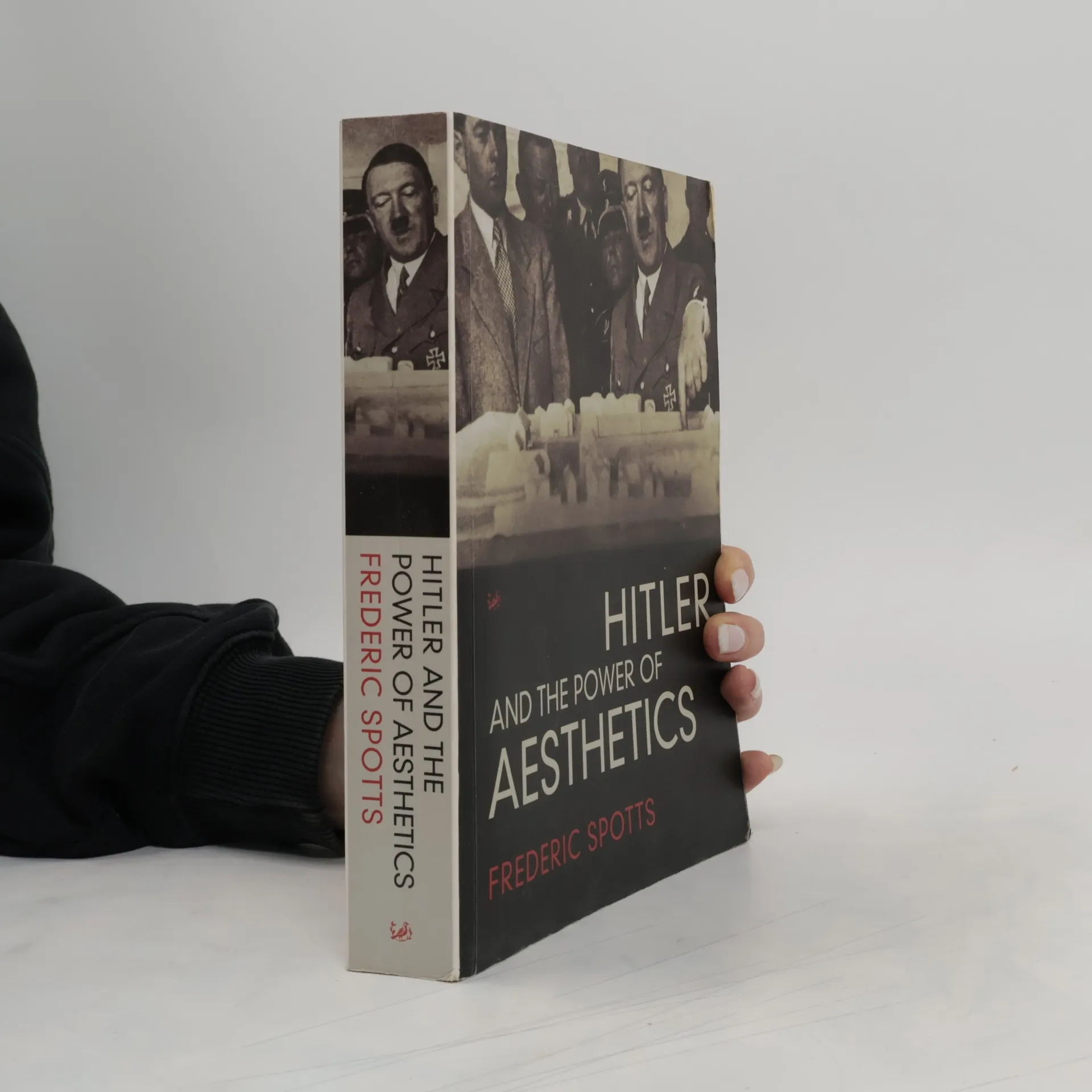
"Frederic Spotts develops a radical new interpretation of Hitler's character and actions which sees an obsessive artistry as the driving force behind his career and his hold over the German people. Hitler's aim was the Aryan super-state, but it was to be expressed as much in art as in politics. Culture was not only the end, to which power should aspire, but the means of achieving it. This fundamental reassessment both of Hitler's career and of artistic life in the Third Reich shows that the arts were at the centre of his life and that he was at the centre of the arts. He dissolved the line between art and politics and - through spectacles, parades, festivals, rallies, political theatrics and even architecture - turned the entire German nation into participants in his National Socialist drama



Nákup knihy
Hitler and the Power of Aesthetics, Frederic Spotts
- Jazyk

- Rok vydania
- 2003
- Väzba
- (mäkká)
Doručenie
Platobné metódy
Tu nám chýba tvoja recenzia
- Titul
- Hitler and the Power of Aesthetics
- Jazyk
- anglicky
- Autori
- Frederic Spotts
- Vydavateľ
- Pimlico
- Rok vydania
- 2003
- Väzba
- mäkká
- Počet strán
- 512
- ISBN10
- 0712667881
- ISBN13
- 9780712667883
- Série
- Prvé vydanie
- 2007
- Pôvodný názov
- Hitler and the Power of Aesthetics
- Hodnotenie
- 4,35 z 5
- Anotácia
- "Frederic Spotts develops a radical new interpretation of Hitler's character and actions which sees an obsessive artistry as the driving force behind his career and his hold over the German people. Hitler's aim was the Aryan super-state, but it was to be expressed as much in art as in politics. Culture was not only the end, to which power should aspire, but the means of achieving it. This fundamental reassessment both of Hitler's career and of artistic life in the Third Reich shows that the arts were at the centre of his life and that he was at the centre of the arts. He dissolved the line between art and politics and - through spectacles, parades, festivals, rallies, political theatrics and even architecture - turned the entire German nation into participants in his National Socialist drama