

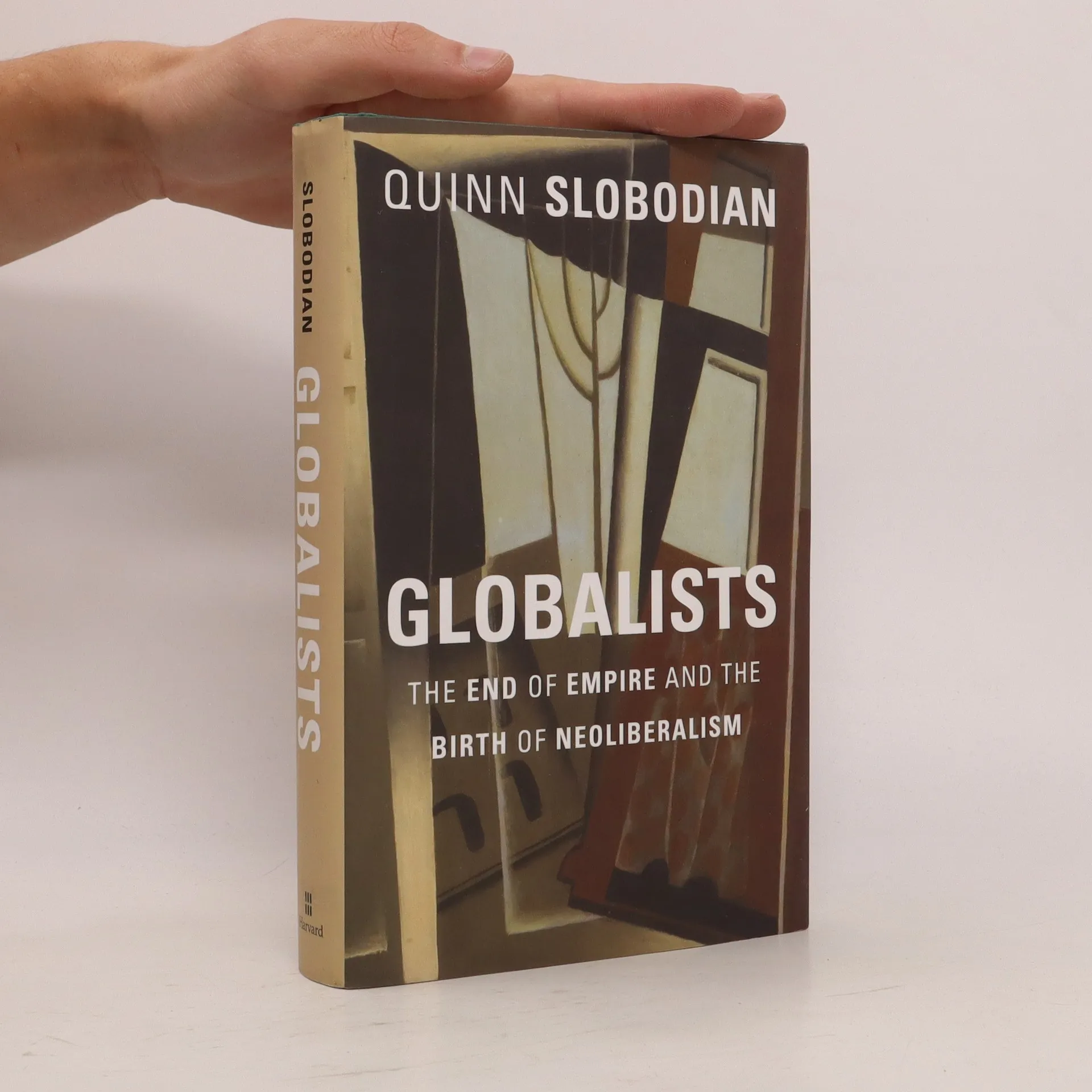


Globalists: The End of Empire and the Birth of Neoliberalism
Autori
Hodnotenie knihy
Parametre
- 400 stránok
- 14 hodin čítania
Viac o knihe
Neoliberals are often perceived as opponents of the state, yet their history reveals a more complex relationship. In this intellectual exploration, Quinn Slobodian traces the evolution of neoliberal globalism from the aftermath of the Habsburg Empire to the establishment of the World Trade Organization. He argues that neoliberalism did not aim to diminish government or eliminate regulations but sought to reposition them on a global scale. Beginning in 1920s Austria, amidst the disintegration of empires and the rise of nationalism and socialism, Austrian thinkers advocated for a new global order. Key figures, including Friedrich Hayek and Ludwig von Mises, along with lesser-known economists like Wilhelm Roepke and Michael Heilperin, rejected a laissez-faire approach. Instead, they leveraged states and international institutions—such as the League of Nations, the European Court of Justice, and international investment law—to shield markets from sovereign states and the demands for equality and social justice. Slobodian highlights that neoliberals aimed to utilize regulatory frameworks to safeguard capitalism globally. This ambitious project reshaped the world but was repeatedly challenged by the inequalities and social injustices it generated.

Vydanie

Nákup knihy
Globalists: The End of Empire and the Birth of Neoliberalism, Quinn Slobodian
- Jazyk

- Rok vydania
- 2018
- Väzba
- (pevná)
Doručenie
Platobné metódy
Tu nám chýba tvoja recenzia
- Titul
- Globalists: The End of Empire and the Birth of Neoliberalism
- Jazyk
- anglicky
- Autori
- Quinn Slobodian
- Vydavateľ
- Harvard University Press
- Rok vydania
- 2018
- Väzba
- pevná
- Počet strán
- 400
- ISBN10
- 0674979524
- ISBN13
- 9780674979529
- Série
- Kategórie
- Štítky
- Historické téma, Byznys, Filozofická tematika, Politika, Darčeky pre dedka, Kapitalizmus, Neoliberalizmus, Svetová ekonomika
- Hodnotenie
- 4,15 z 5
- Anotácia
- Neoliberals are often perceived as opponents of the state, yet their history reveals a more complex relationship. In this intellectual exploration, Quinn Slobodian traces the evolution of neoliberal globalism from the aftermath of the Habsburg Empire to the establishment of the World Trade Organization. He argues that neoliberalism did not aim to diminish government or eliminate regulations but sought to reposition them on a global scale. Beginning in 1920s Austria, amidst the disintegration of empires and the rise of nationalism and socialism, Austrian thinkers advocated for a new global order. Key figures, including Friedrich Hayek and Ludwig von Mises, along with lesser-known economists like Wilhelm Roepke and Michael Heilperin, rejected a laissez-faire approach. Instead, they leveraged states and international institutions—such as the League of Nations, the European Court of Justice, and international investment law—to shield markets from sovereign states and the demands for equality and social justice. Slobodian highlights that neoliberals aimed to utilize regulatory frameworks to safeguard capitalism globally. This ambitious project reshaped the world but was repeatedly challenged by the inequalities and social injustices it generated.