



Viac o knihe
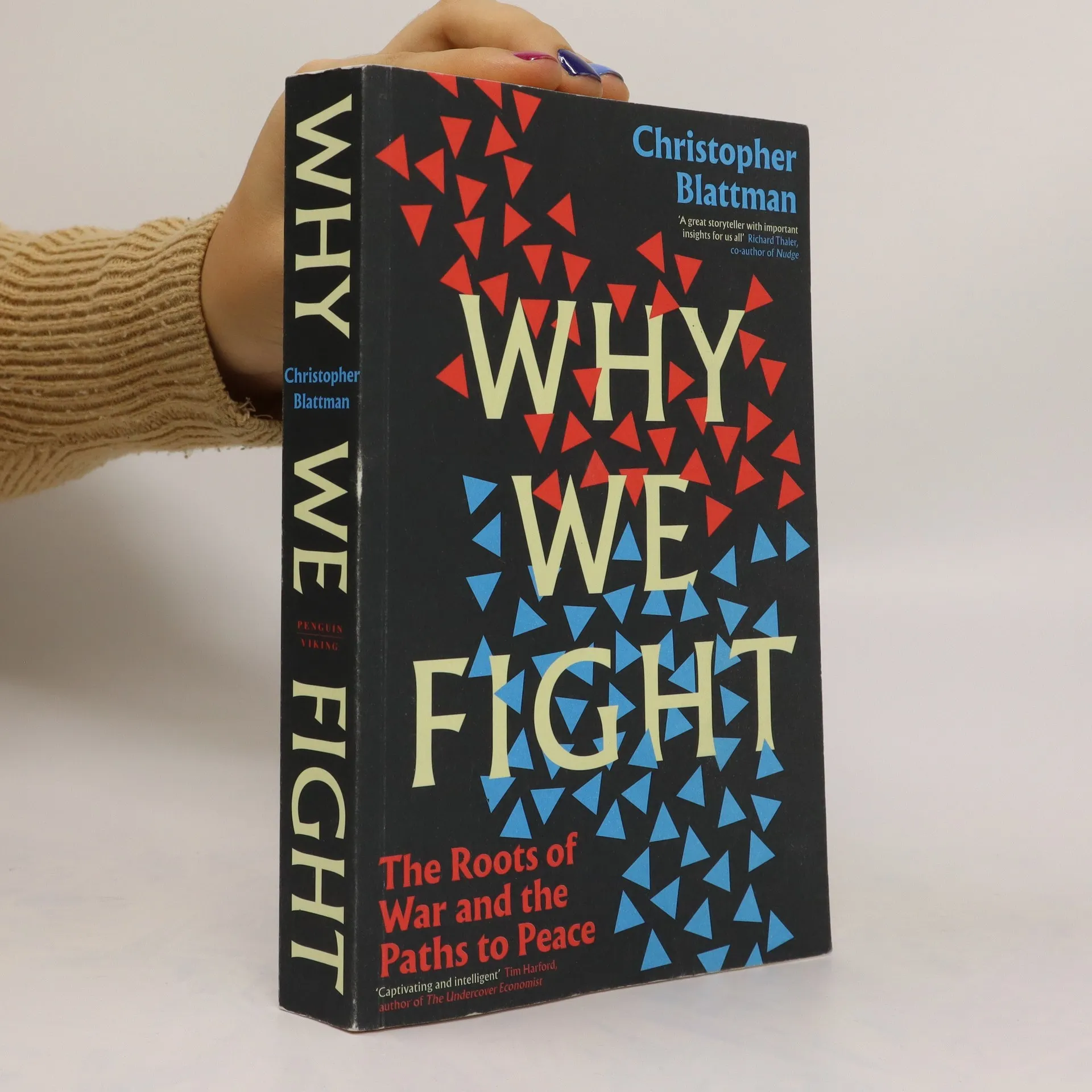
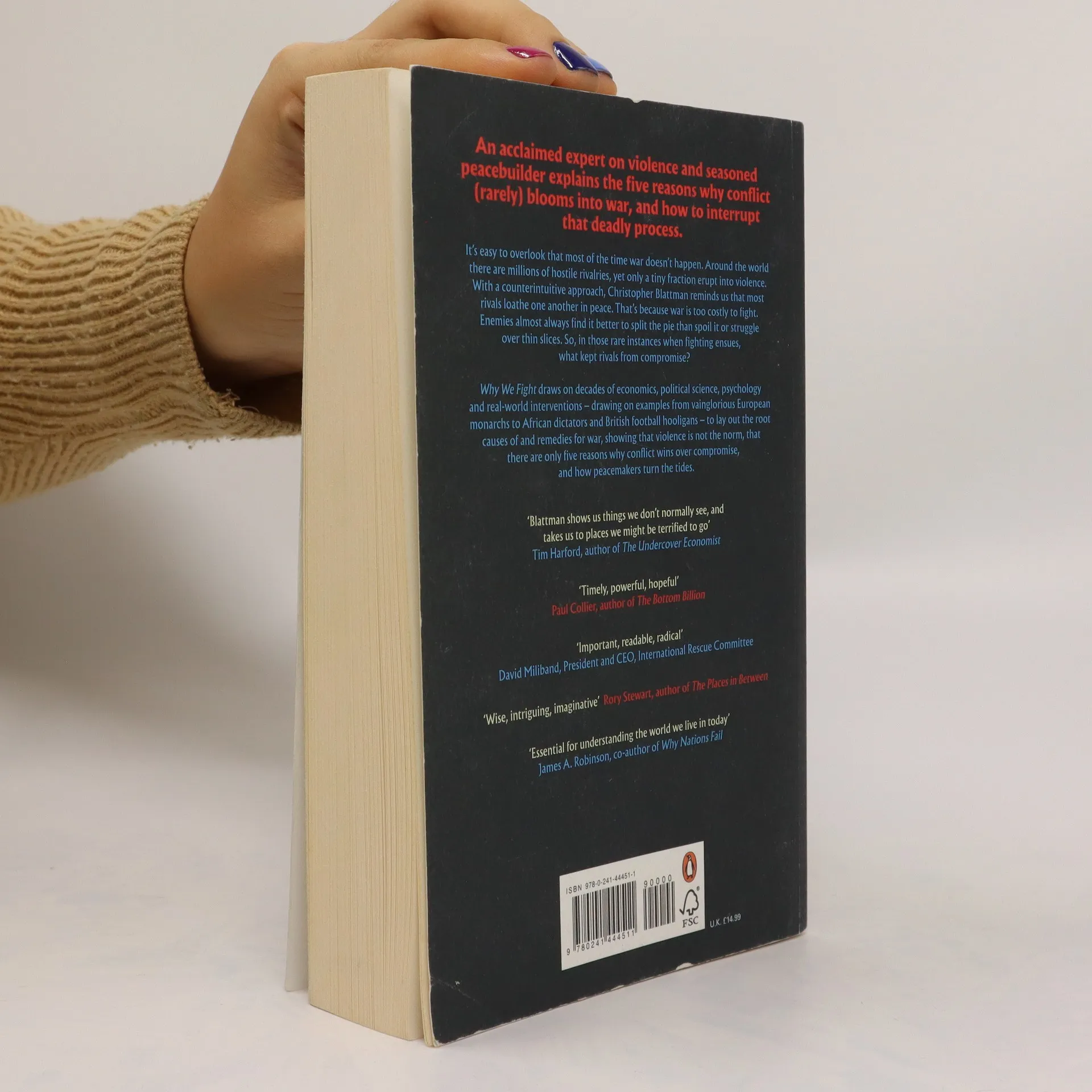
We are often surrounded by violence, with each conflict appearing unique and unsolvable. Yet, the reality is more straightforward: most of the time, we don't fight. Globally, millions of rivalries exist, but only a small fraction lead to violence. The primary reason is that war is too costly; it's the least effective way to resolve differences. When fighting does occur, it typically stems from societies or leaders who overlook or accept the costs of war. The author identifies five specific reasons why violent conflict can overshadow compromise, drawing from studies in diverse settings like Medellín, Chicago, Liberia, and Northern Ireland. These insights reveal that war is not merely a series of mistakes or emotional outbursts; rather, it is driven by deeper strategic, ideological, and institutional factors often ignored. The path to peace is more attainable than it seems. Societies can effectively interrupt and end violence, as even gangs demonstrate. Successful peacemakers address the five reasons for conflict, shifting incentives away from violence and encouraging negotiation. This book offers a realistic yet optimistic perspective, reinforcing the idea that peace is achievable when approached thoughtfully.


Nákup knihy
Why We Fight, Christopher Blattman
- Jazyk

- Rok vydania
- 2022
- Väzba
- (mäkká)
Doručenie
Platobné metódy
Tu nám chýba tvoja recenzia
- Titul
- Why We Fight
- Jazyk
- anglicky
- Autori
- Christopher Blattman
- Vydavateľ
- Viking
- Rok vydania
- 2022
- Väzba
- mäkká
- ISBN10
- 0241444519
- ISBN13
- 9780241444511
- Série
- Kategórie
- Štítky
- Historické téma, Byznys, Politika, Vojnová próza, Vojny, Darčeky pre dedka
- Hodnotenie
- 3,85 z 5
- Anotácia
- We are often surrounded by violence, with each conflict appearing unique and unsolvable. Yet, the reality is more straightforward: most of the time, we don't fight. Globally, millions of rivalries exist, but only a small fraction lead to violence. The primary reason is that war is too costly; it's the least effective way to resolve differences. When fighting does occur, it typically stems from societies or leaders who overlook or accept the costs of war. The author identifies five specific reasons why violent conflict can overshadow compromise, drawing from studies in diverse settings like Medellín, Chicago, Liberia, and Northern Ireland. These insights reveal that war is not merely a series of mistakes or emotional outbursts; rather, it is driven by deeper strategic, ideological, and institutional factors often ignored. The path to peace is more attainable than it seems. Societies can effectively interrupt and end violence, as even gangs demonstrate. Successful peacemakers address the five reasons for conflict, shifting incentives away from violence and encouraging negotiation. This book offers a realistic yet optimistic perspective, reinforcing the idea that peace is achievable when approached thoughtfully.