

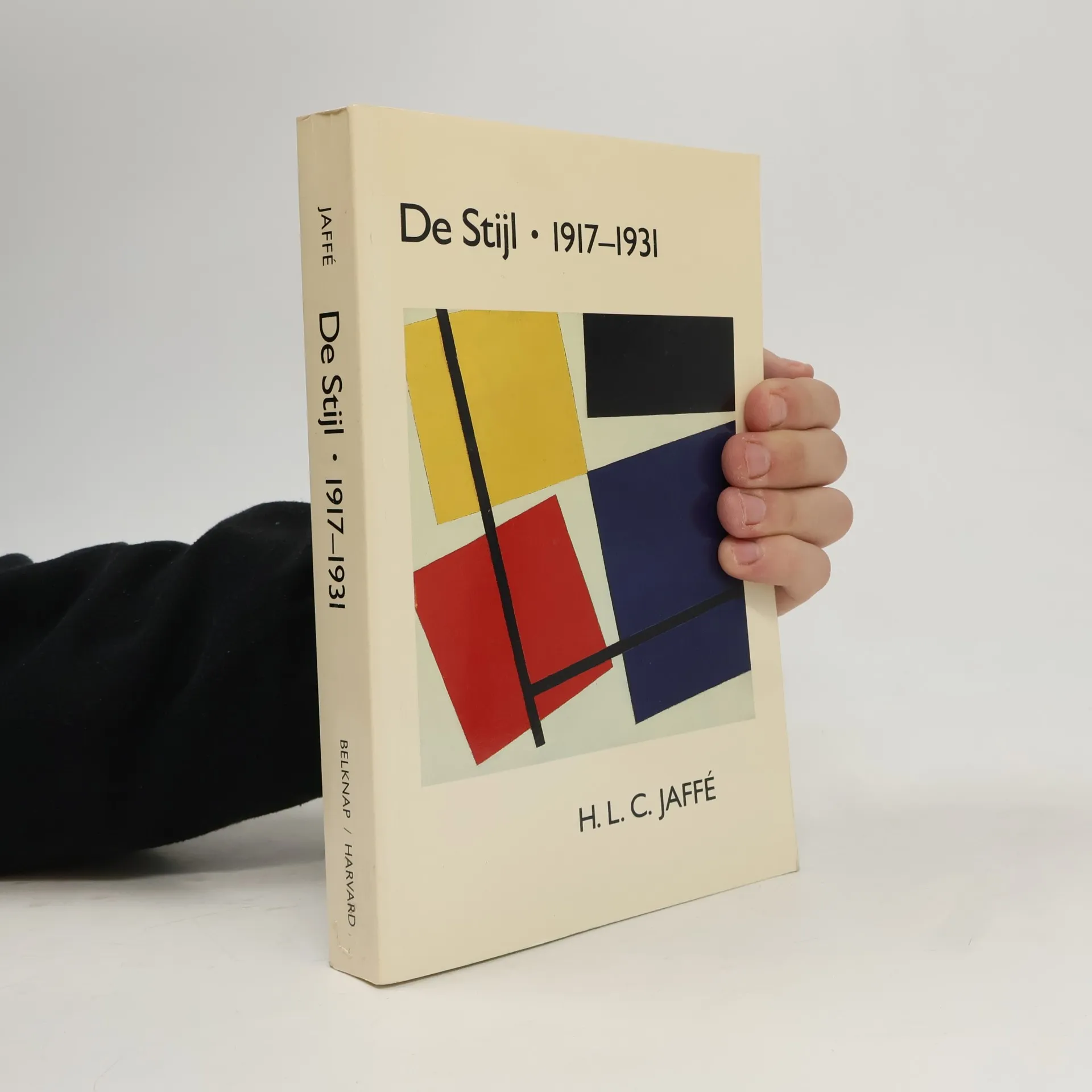
De Stijl 1917-1931
The Dutch Contribution to Modern Art (Paperbacks in Art History)
Autori
Hodnotenie knihy
Viac o knihe
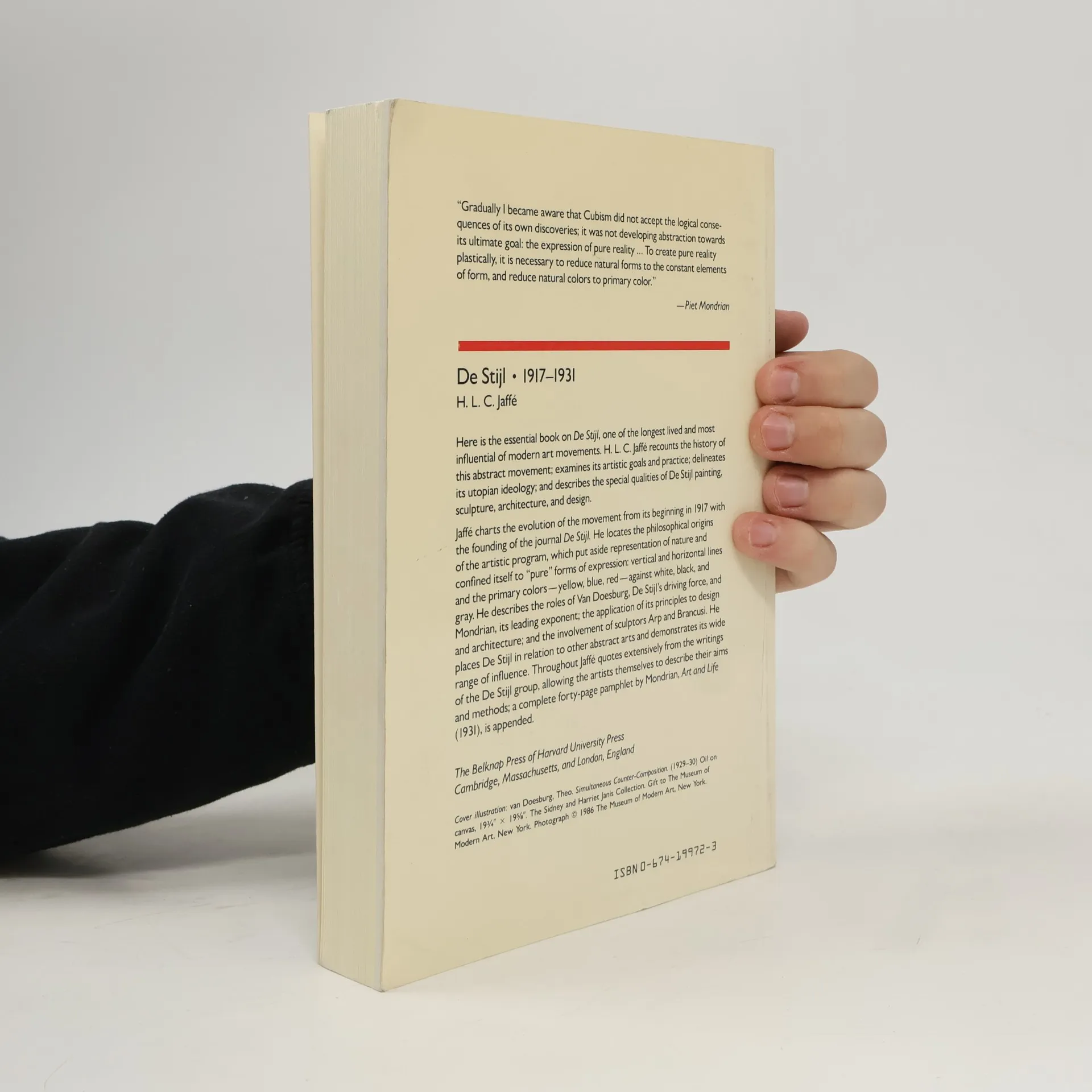
Here is the essential book on "De Stijl," one of the longest lived and most influential of modern art movements. H. L. C. Jaffe recounts the history of this abstract movement; explains its artistic goals and practice; delineates its utopian ideology; and describes the special qualities of De Stijl painting, sculpture, architecture, and design. Jaffe charts the evolution of the movement from its beginning in 1917 with the founding of the journal "De Stijl." He locates the philosophical origins of the artistic program, which put aside representation of nature and confined itself to "pure" forms of expression: vertical and horizontal lines and the primary colors--yellow, blue, red--against white, black, and gray. He describes the roles of Ban Doesburg, De Stijl's driving force, and Mondrian, its leading exponent; the application of its principles to design and architecture; and the involvement of sculptors Arp and Brancusi. He places De Stijl in relation to other abstract arts and demonstrates its wide range of influence. Throughout Jaffe quotes extensively from the writings of the De Stijl group, allowing the artists themselves to describe their aims and methods; a complete forty-page pamphlet by Mondrian, "Art and Life" (1931) is appended.


Nákup knihy
De Stijl 1917-1931, Hans Ludwig C. Jaffé
- Jazyk

- Rok vydania
- 1986
- Väzba
- (mäkká),
- Stav knihy
- Dobrá
- Cena
- 18,99 €
Doručenie
Platobné metódy
Tu nám chýba tvoja recenzia
- Titul
- De Stijl 1917-1931
- Podtitul
- The Dutch Contribution to Modern Art (Paperbacks in Art History)
- Jazyk
- anglicky
- Autori
- Hans Ludwig C. Jaffé
- Rok vydania
- 1986
- Väzba
- mäkká
- Počet strán
- 293
- ISBN10
- 0674199723
- ISBN13
- 9780674199729
- Série
- Štítky
- Výtvarné umenie
- Hodnotenie
- 2 z 5
- Anotácia
- Here is the essential book on "De Stijl," one of the longest lived and most influential of modern art movements. H. L. C. Jaffe recounts the history of this abstract movement; explains its artistic goals and practice; delineates its utopian ideology; and describes the special qualities of De Stijl painting, sculpture, architecture, and design. Jaffe charts the evolution of the movement from its beginning in 1917 with the founding of the journal "De Stijl." He locates the philosophical origins of the artistic program, which put aside representation of nature and confined itself to "pure" forms of expression: vertical and horizontal lines and the primary colors--yellow, blue, red--against white, black, and gray. He describes the roles of Ban Doesburg, De Stijl's driving force, and Mondrian, its leading exponent; the application of its principles to design and architecture; and the involvement of sculptors Arp and Brancusi. He places De Stijl in relation to other abstract arts and demonstrates its wide range of influence. Throughout Jaffe quotes extensively from the writings of the De Stijl group, allowing the artists themselves to describe their aims and methods; a complete forty-page pamphlet by Mondrian, "Art and Life" (1931) is appended.