

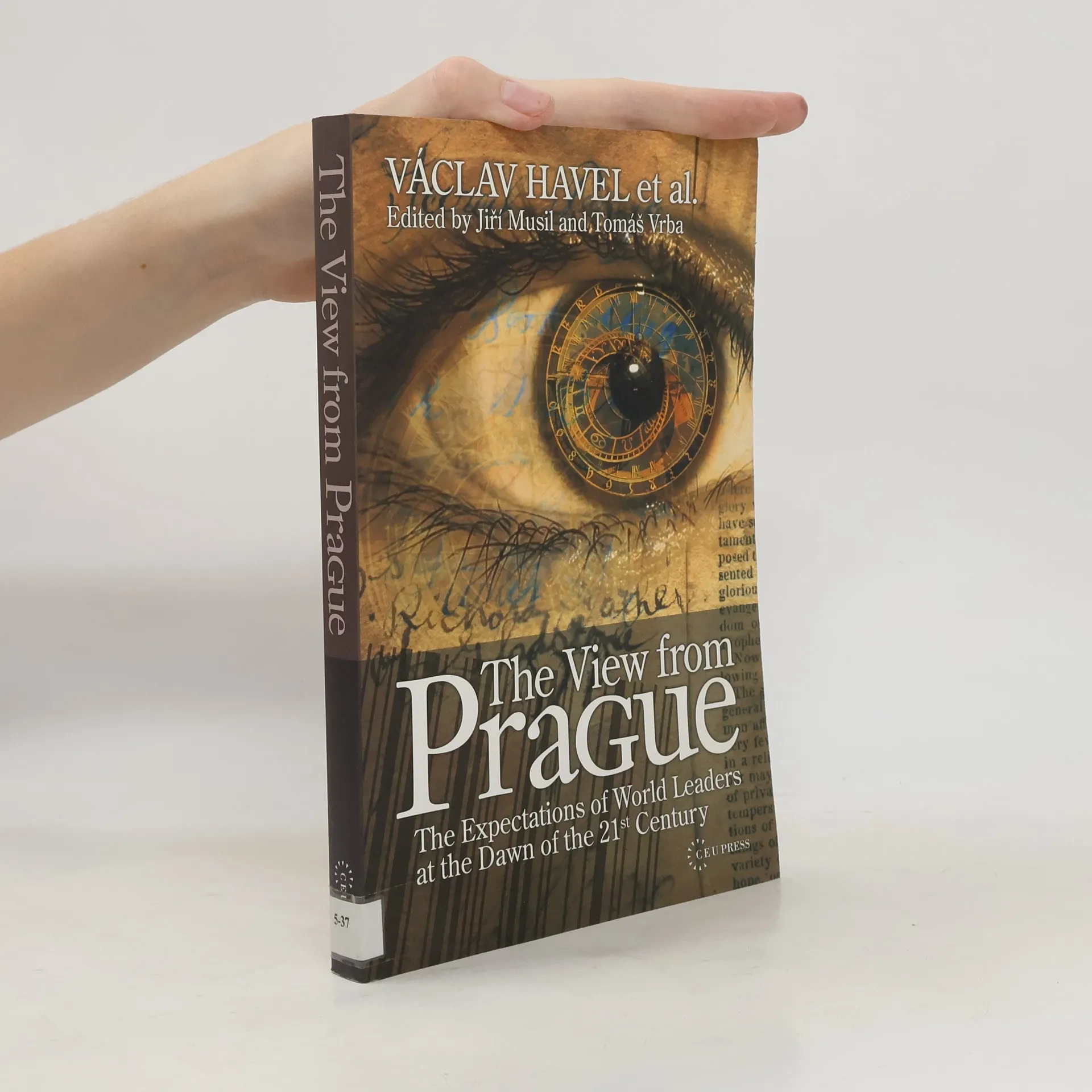

The View from Prague
The Expectations of World Leaders at the Dawn of the 21st Century
Autori
Hodnotenie knihy
Parametre
Viac o knihe
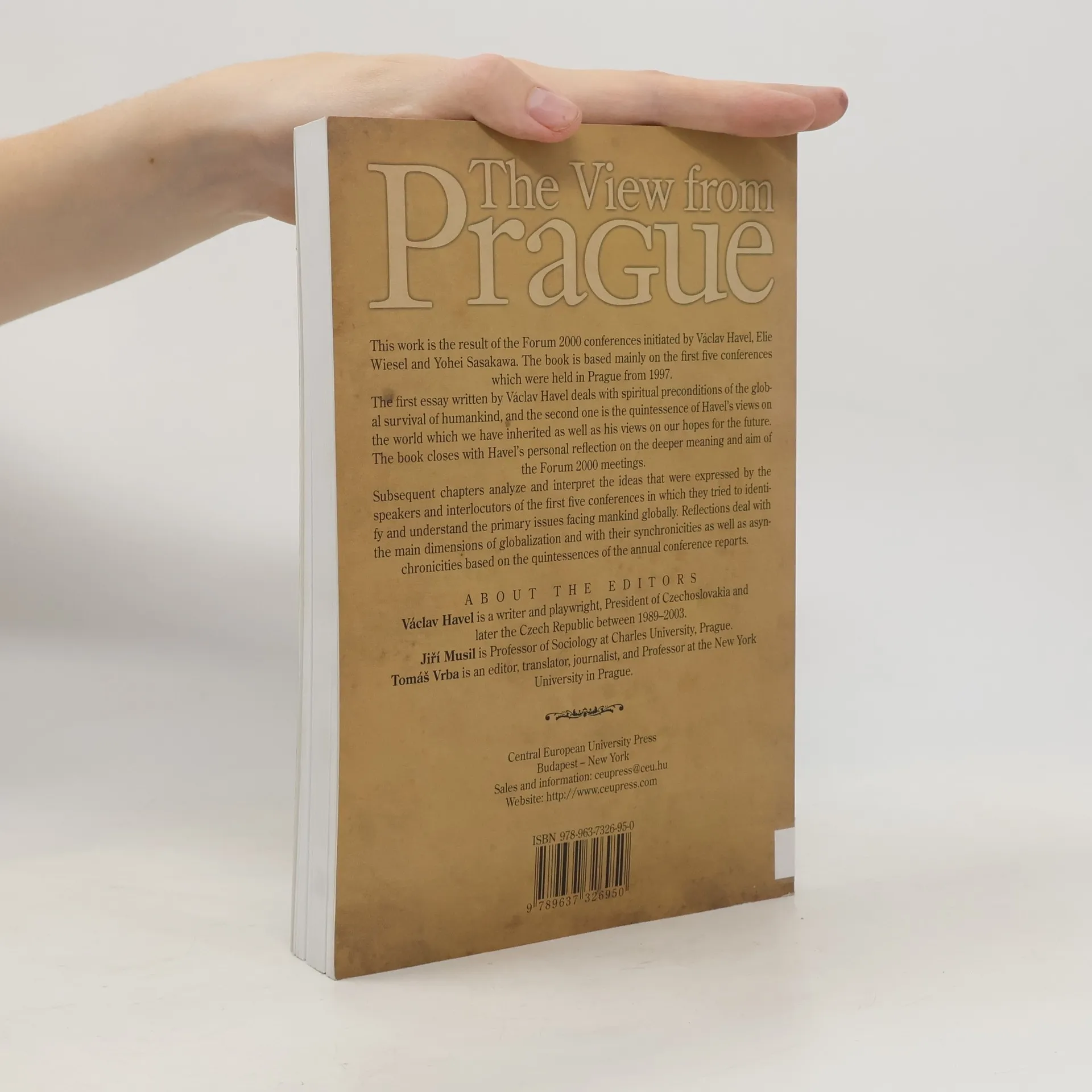
This work is the result of the Forum 2000 conferences initiated by Václav Havel and Elie Wiesel. The book is based mainly on the first five conferences which were held in Prague from 1997. The first essay written by Václav Havel deals with spiritual preconditions of the global survival of humankind, and the second one is the quintessence of Havel's views on the world which we have inherited as well as his views on our hopes for the future. The book closes with Havel's personal reflection on the deeper meaning and aim of the Forum 2000 meetings. Subsequent chapters analyze and interpret the ideas that were expressed by the speakers and interlocutors of the first five conferences in which they tried to identify and understand the primary issues facing mankind globally. Reflections deal with the main dimensions of globalization and with their synchronicities as well as asynchronicities based on the quintessences of the annual conference reports.
Vydanie

Nákup knihy
The View from Prague, Jiří V. Musil, Tomáš Vrba
- Jazyk

- Rok vydania
- 2007
- Väzba
- (mäkká)
Doručenie
Platobné metódy
Tu nám chýba tvoja recenzia
- Titul
- The View from Prague
- Podtitul
- The Expectations of World Leaders at the Dawn of the 21st Century
- Jazyk
- anglicky
- Autori
- Jiří V. Musil, Tomáš Vrba
- Vydavateľ
- Central European University Press
- Rok vydania
- 2007
- Väzba
- mäkká
- ISBN10
- 9637326952
- ISBN13
- 9789637326950
- Série
- Štítky
- Hodnotenie
- 3,35 z 5
- Anotácia
- This work is the result of the Forum 2000 conferences initiated by Václav Havel and Elie Wiesel. The book is based mainly on the first five conferences which were held in Prague from 1997. The first essay written by Václav Havel deals with spiritual preconditions of the global survival of humankind, and the second one is the quintessence of Havel's views on the world which we have inherited as well as his views on our hopes for the future. The book closes with Havel's personal reflection on the deeper meaning and aim of the Forum 2000 meetings. Subsequent chapters analyze and interpret the ideas that were expressed by the speakers and interlocutors of the first five conferences in which they tried to identify and understand the primary issues facing mankind globally. Reflections deal with the main dimensions of globalization and with their synchronicities as well as asynchronicities based on the quintessences of the annual conference reports.