



Viac o knihe
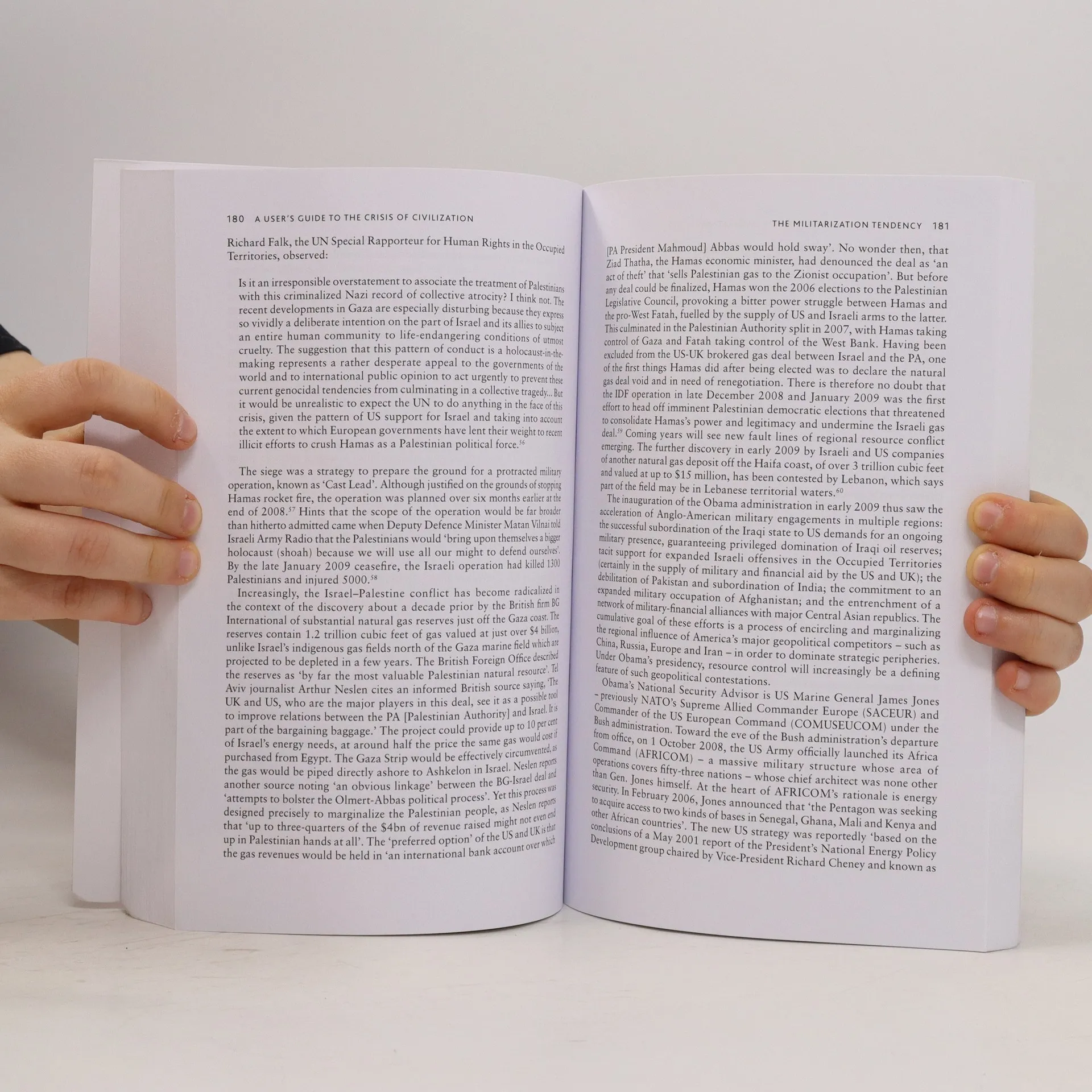
It often seems that different crises are competing to devastate civilization. This book argues that financial meltdown, dwindling oil reserves, terrorism and food shortages need to be considered as part of the same ailing system. Most accounts of our contemporary global crises such as climate change, or the threat of terrorism, focus on one area, or another, to the exclusion of others. Nafeez Ahmed argues that the unwillingness of experts to look outside their specialisations explains why there is so much disagreement and misunderstanding about particular crises. This book attempts to investigate all of these crises, not as isolated events, but as trends and processes that belong to a single global system. We are therefore not dealing with a "clash of civilizations," as Huntington argued. Rather, we are dealing with a fundamental crisis of civilization itself. This book provides a stark warning of the consequences of failing to take a broad view of the problems facing the world.
Nákup knihy
A User's Guide to the Crisis of Civilisation and How to Save It, Nafeez Mosaddeq Ahmed
- Jazyk

- Rok vydania
- 2010
- Väzba
- (mäkká)
Tu nám chýba tvoja recenzia
- Titul
- A User's Guide to the Crisis of Civilisation and How to Save It
- Jazyk
- anglicky
- Autori
- Nafeez Mosaddeq Ahmed
- Vydavateľ
- Pluto Press
- Rok vydania
- 2010
- Väzba
- mäkká
- Počet strán
- 312
- ISBN10
- 0745330533
- ISBN13
- 9780745330532
- Série
- Štítky
- Ekologická tematika
- Hodnotenie
- 3,55 z 5
- Anotácia
- It often seems that different crises are competing to devastate civilization. This book argues that financial meltdown, dwindling oil reserves, terrorism and food shortages need to be considered as part of the same ailing system. Most accounts of our contemporary global crises such as climate change, or the threat of terrorism, focus on one area, or another, to the exclusion of others. Nafeez Ahmed argues that the unwillingness of experts to look outside their specialisations explains why there is so much disagreement and misunderstanding about particular crises. This book attempts to investigate all of these crises, not as isolated events, but as trends and processes that belong to a single global system. We are therefore not dealing with a "clash of civilizations," as Huntington argued. Rather, we are dealing with a fundamental crisis of civilization itself. This book provides a stark warning of the consequences of failing to take a broad view of the problems facing the world.