

Viac o knihe
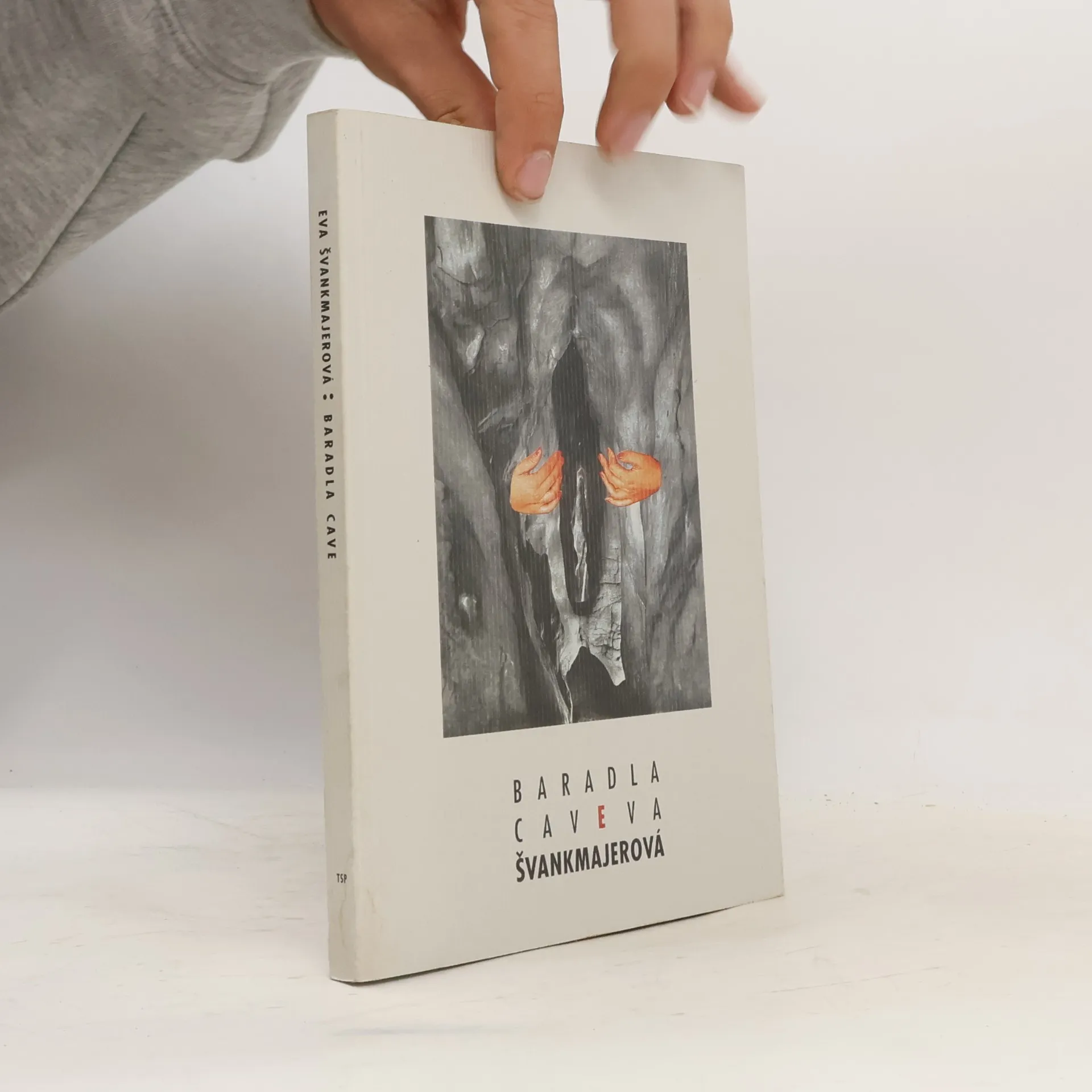
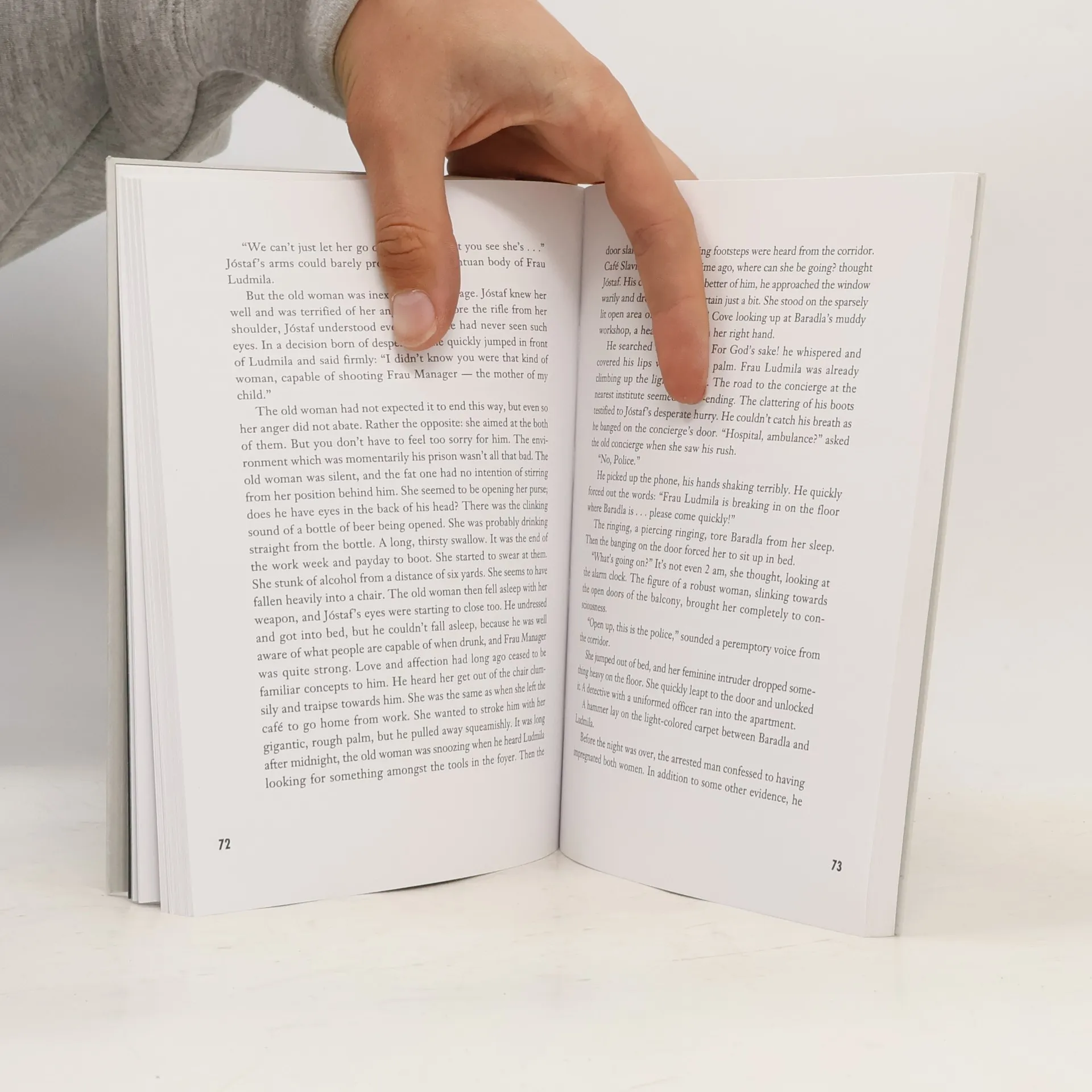
Baradla Cave is a novel by the Czech Surrealist Eva Švankmajerová, who is perhaps best known for her paintings and collaboration with her husband Jan Švankmajer on a number of films. Originally published in samizdat in the 1980s, the book was republished in 1995 by Edice Analogon, having lost none of the force of its social critique and wit. Baradla is a living organism, both place (Prague) and person (a woman), and the novel explores maternity and femininity while offering a satirical look at the overweening mother-state and consumer society. As the language shifts between psuedo-scientific jargon, common vernacular, and metaphoric stream, scenes of episodic sexual violence alternate with humorous reflections on various ingrained habits and customs. Švankmajerová's sense of the absurd is seemingly without limit, fingering here practically everything having to do with modern urban existence: drug addiction, murder, sex crimes, corruption, and dysfunctional family relationships.

Nákup knihy
Baradla Cave, Eva Švankmajerová
- Jazyk

- Rok vydania
- 2000
- Väzba
- (mäkká)
Doručenie
Platobné metódy
Tu nám chýba tvoja recenzia
- Titul
- Baradla Cave
- Jazyk
- anglicky
- Autori
- Eva Švankmajerová
- Vydavateľ
- Twisted Spoon Press
- Rok vydania
- 2000
- Väzba
- mäkká
- Počet strán
- 138
- ISBN10
- 8090217176
- ISBN13
- 9788090217171
- Série
- Kategórie
- Štítky
- Česká literatúra, Novely, Surrealizmus
- Hodnotenie
- 2,5 z 5
- Anotácia
- Baradla Cave is a novel by the Czech Surrealist Eva Švankmajerová, who is perhaps best known for her paintings and collaboration with her husband Jan Švankmajer on a number of films. Originally published in samizdat in the 1980s, the book was republished in 1995 by Edice Analogon, having lost none of the force of its social critique and wit. Baradla is a living organism, both place (Prague) and person (a woman), and the novel explores maternity and femininity while offering a satirical look at the overweening mother-state and consumer society. As the language shifts between psuedo-scientific jargon, common vernacular, and metaphoric stream, scenes of episodic sexual violence alternate with humorous reflections on various ingrained habits and customs. Švankmajerová's sense of the absurd is seemingly without limit, fingering here practically everything having to do with modern urban existence: drug addiction, murder, sex crimes, corruption, and dysfunctional family relationships.