

Viac o knihe
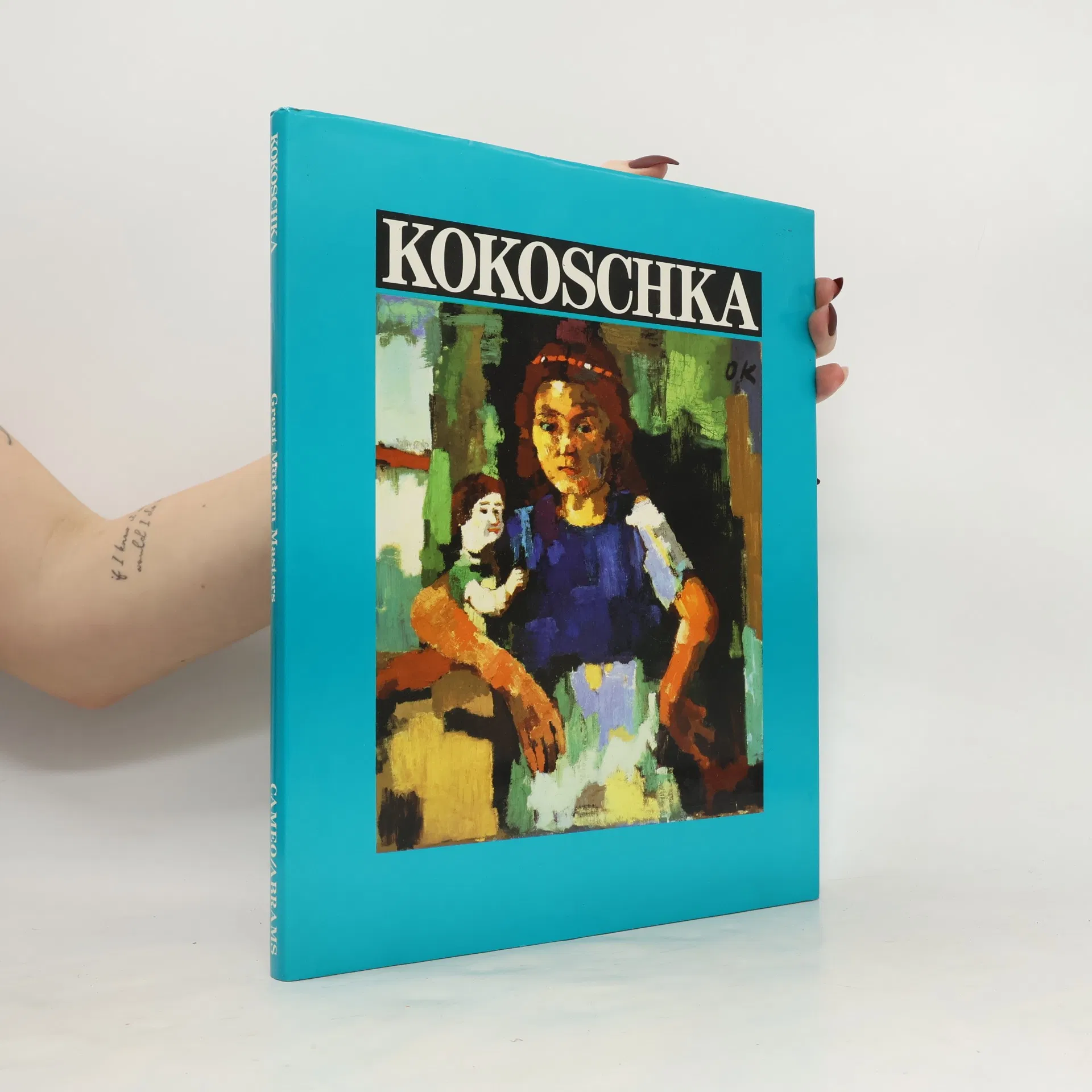
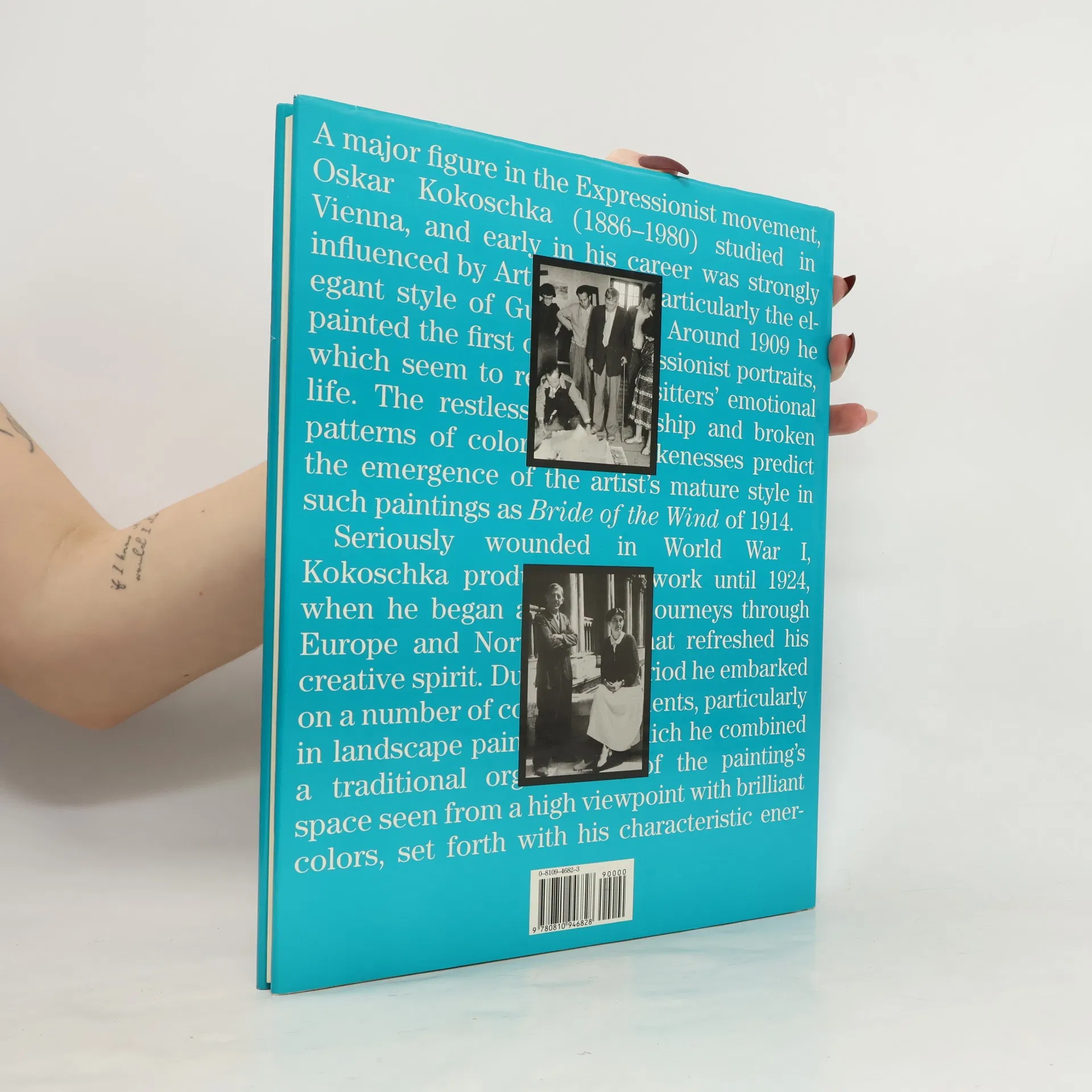
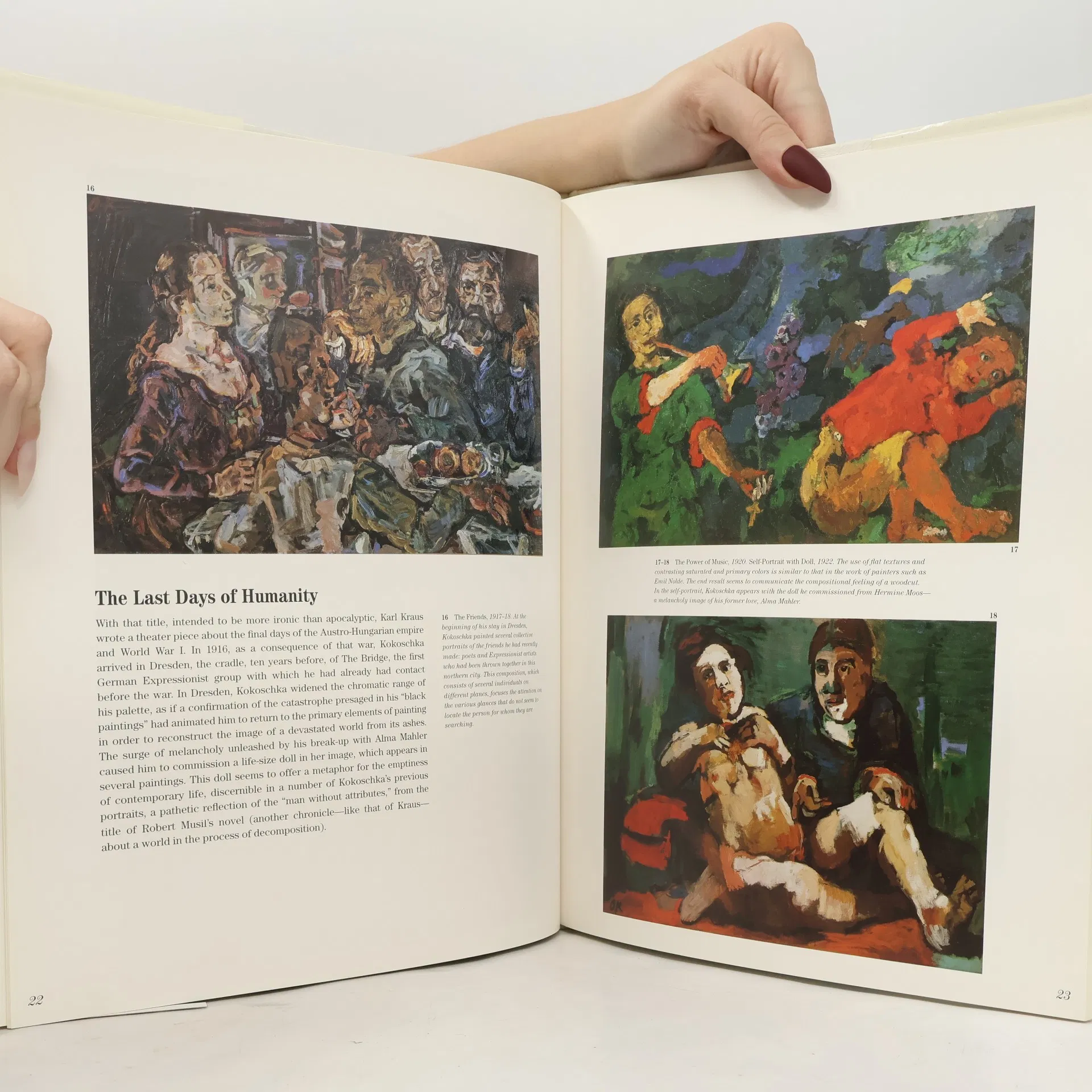
A major figure in the Expressionist movement, Oskar Kokoschka (1886-1980) studied in Vienna and was initially influenced by Art Nouveau, particularly Gustav Klimt's elegant style. Around 1909, he painted his first Expressionist portraits that reveal the emotional life of their subjects. The restless draftsmanship and broken color patterns in these works foreshadow his mature style, exemplified in paintings like Bride of the Wind from 1914. After being seriously wounded in World War I, Kokoschka produced little until 1924, when travels through Europe and North Africa revitalized his creativity. During this time, he experimented with color, particularly in landscapes that combined traditional spatial organization with vibrant colors and energetic brushwork. These visionary landscapes convey a passionate vision, oscillating between exhilaration and anguish. In the 1930s, the Nazi regime condemned his work as "degenerate," leading to the confiscation of his paintings from public collections. In 1938, he relocated to London, and later to Switzerland, where he spent much of his life. Kokoschka's late works maintain the Expressionist qualities of his earlier masterpieces, and while he never fully abandoned representation, their increasing abstraction hints at a connection to Abstract Expressionism.


Nákup knihy
Kokoschka, Oskar Kokoschka
- Jazyk

- Rok vydania
- 1995
- Väzba
- (pevná),
- Stav knihy
- Dobrá
- Cena
- 8,59 €
Doručenie
Platobné metódy
Tu nám chýba tvoja recenzia
- Titul
- Kokoschka
- Jazyk
- anglicky
- Autori
- Oskar Kokoschka
- Vydavateľ
- Cameo Abrams
- Rok vydania
- 1995
- Väzba
- pevná
- Počet strán
- 64
- ISBN10
- 0810946823
- ISBN13
- 9780810946828
- Série
- Kategórie
- Štítky
- Umenie
- Pôvodný názov
- Kokoschka
- Hodnotenie
- 3,6 z 5
- Anotácia
- A major figure in the Expressionist movement, Oskar Kokoschka (1886-1980) studied in Vienna and was initially influenced by Art Nouveau, particularly Gustav Klimt's elegant style. Around 1909, he painted his first Expressionist portraits that reveal the emotional life of their subjects. The restless draftsmanship and broken color patterns in these works foreshadow his mature style, exemplified in paintings like Bride of the Wind from 1914. After being seriously wounded in World War I, Kokoschka produced little until 1924, when travels through Europe and North Africa revitalized his creativity. During this time, he experimented with color, particularly in landscapes that combined traditional spatial organization with vibrant colors and energetic brushwork. These visionary landscapes convey a passionate vision, oscillating between exhilaration and anguish. In the 1930s, the Nazi regime condemned his work as "degenerate," leading to the confiscation of his paintings from public collections. In 1938, he relocated to London, and later to Switzerland, where he spent much of his life. Kokoschka's late works maintain the Expressionist qualities of his earlier masterpieces, and while he never fully abandoned representation, their increasing abstraction hints at a connection to Abstract Expressionism.