

Viac o knihe
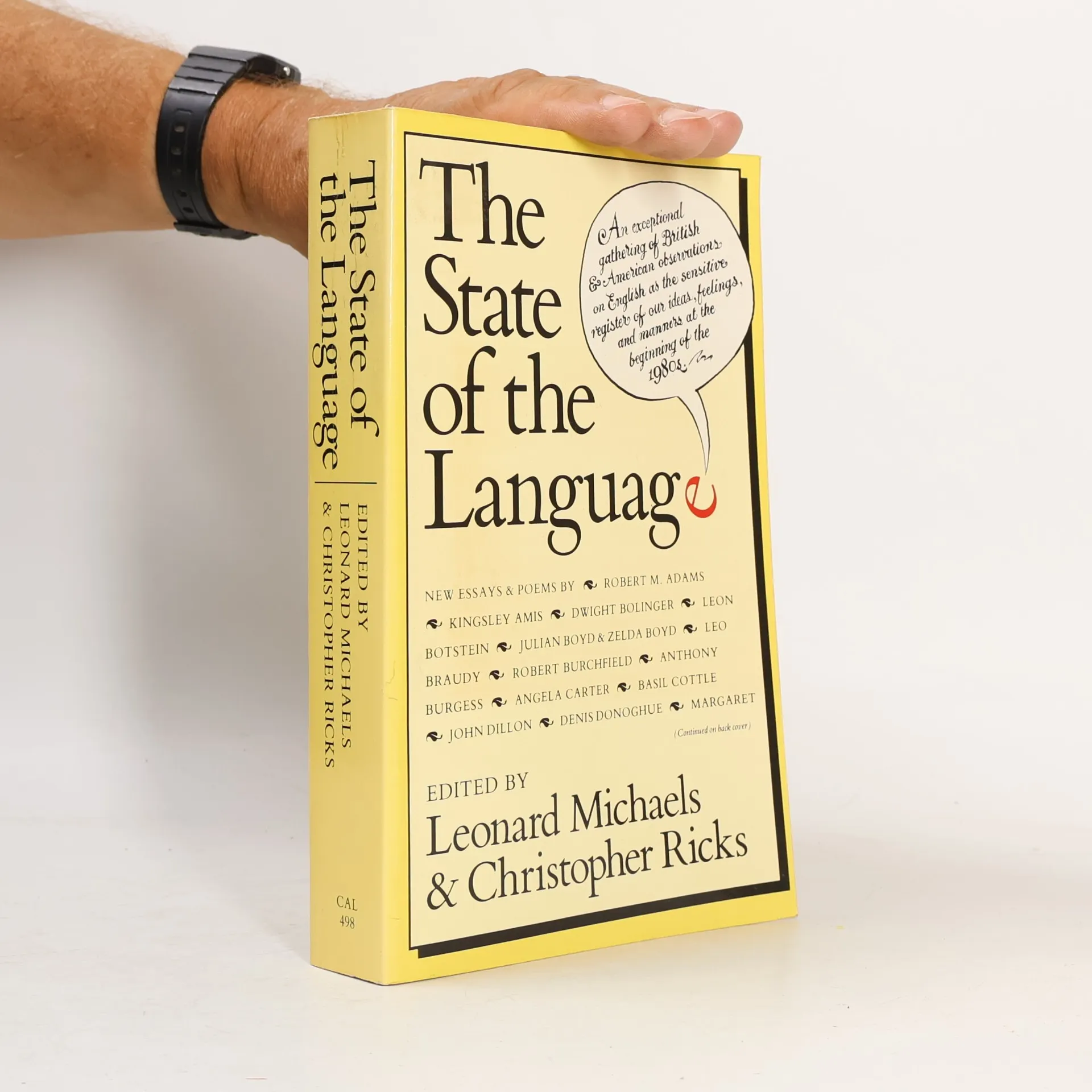
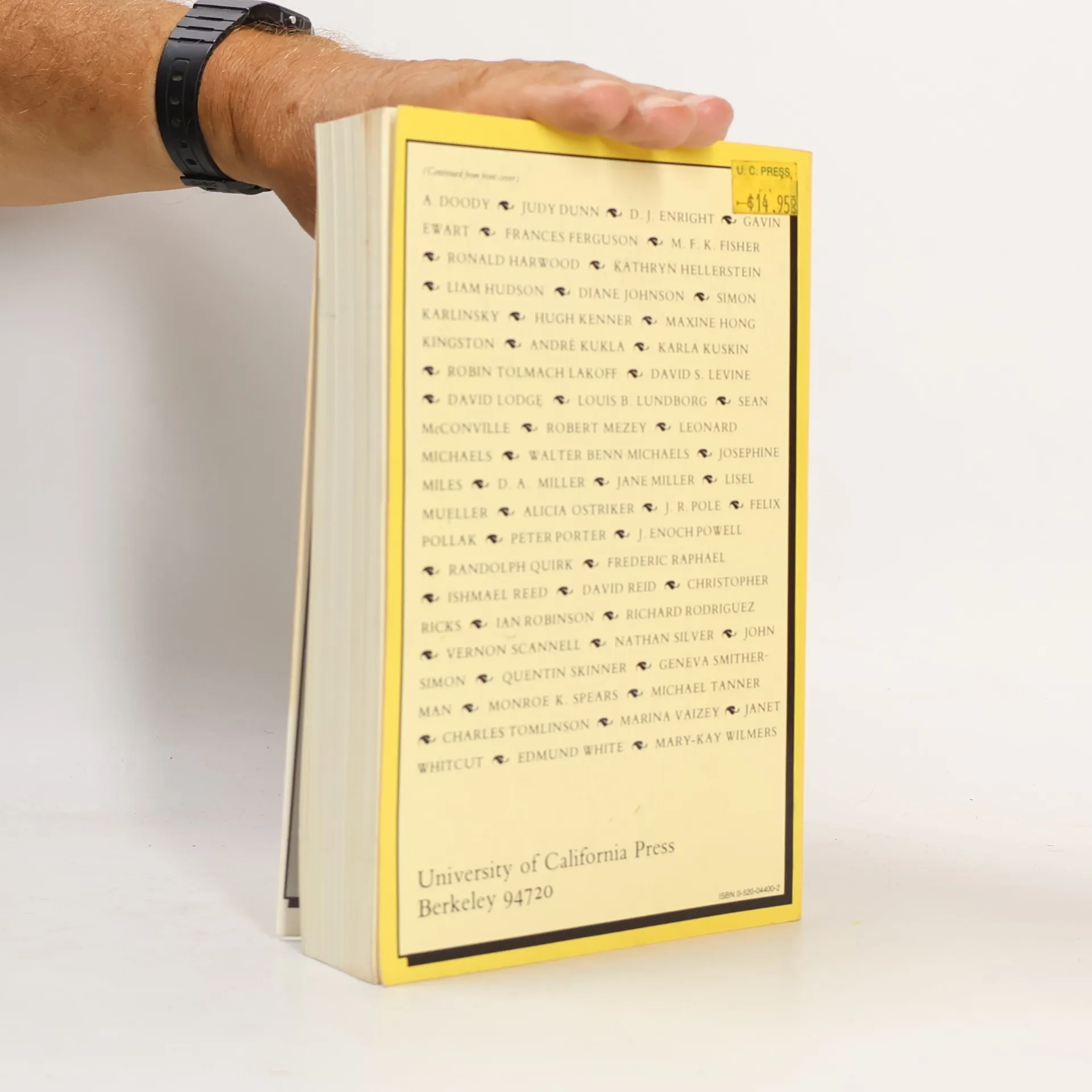
"Sprawling, uncoordinated, uneven, noisy, and appealing," wrote one reviewer of this book. "The language is in rude health," wrote another. Here is the book anew, with fifty fresh contributors writing essays and poems that engage our language today. Imaginative attention is bestowed on the changes of recent years, changes not only in the language but in how language is understood. In the forefront are the relations between different varieties of English and those with which they compete or cooperate. The nervous negotiations of gender and feminism. The darkness of AIDS. The bright flicker of the computer. The old smolderings of "standard English" and correctness. The "bad language" that has lately done so well in our society. How all this has been politicized--or is it rather that its inevitably political nature has only now been recognized? Here these and many other facets of the language catch the various light. What has changed is understood in relation to what has not changed, and what has been gained in relation to what has been lost. There is sweep as well as detail, telescope as well as microscope, in this contemplation of the world of our language as it enters the world of the 1990s.
Nákup knihy
The State of the Language, Leonard Michaels, Christopher Ricks
- Jazyk

- Rok vydania
- 1980
- Väzba
- (mäkká),
- Stav knihy
- Poškodená
- Cena
- 4,18 €
Tu nám chýba tvoja recenzia
- Titul
- The State of the Language
- Jazyk
- anglicky
- Vydavateľ
- University of California Press
- Rok vydania
- 1980
- Väzba
- mäkká
- ISBN10
- 0520044002
- ISBN13
- 9780520044005
- Série
- Štítky
- Lingvistika
- Hodnotenie
- 2,5 z 5
- Anotácia
- "Sprawling, uncoordinated, uneven, noisy, and appealing," wrote one reviewer of this book. "The language is in rude health," wrote another. Here is the book anew, with fifty fresh contributors writing essays and poems that engage our language today. Imaginative attention is bestowed on the changes of recent years, changes not only in the language but in how language is understood. In the forefront are the relations between different varieties of English and those with which they compete or cooperate. The nervous negotiations of gender and feminism. The darkness of AIDS. The bright flicker of the computer. The old smolderings of "standard English" and correctness. The "bad language" that has lately done so well in our society. How all this has been politicized--or is it rather that its inevitably political nature has only now been recognized? Here these and many other facets of the language catch the various light. What has changed is understood in relation to what has not changed, and what has been gained in relation to what has been lost. There is sweep as well as detail, telescope as well as microscope, in this contemplation of the world of our language as it enters the world of the 1990s.