

Viac o knihe
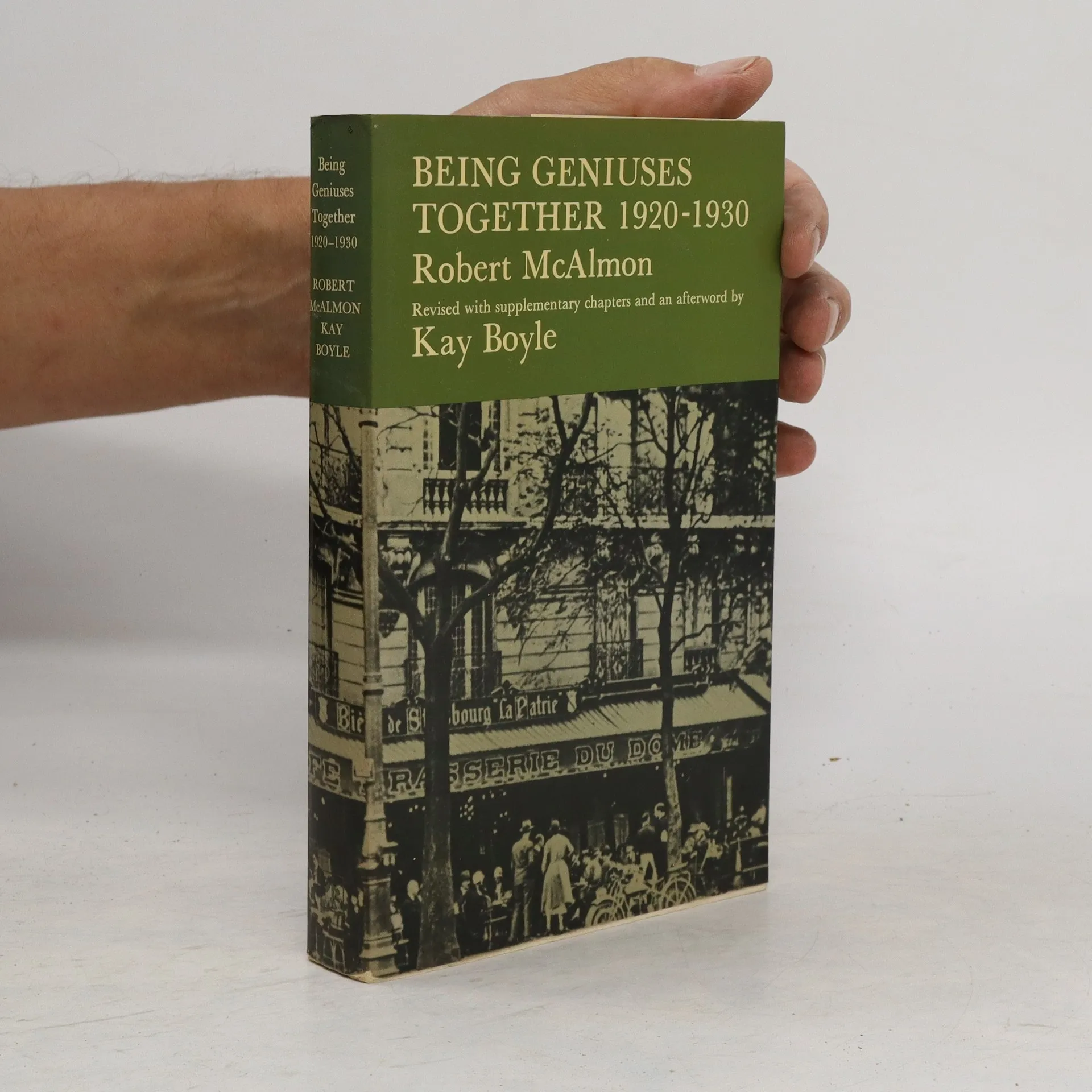
Robert McAlmon arrived in 1920s Paris like many other young Americans who wanted to live. He was perceptive, sardonic, and unyielding. Above all, he was not easily impressed by the various geniuses he encountered on bar stools, often while they were finishing convincing themselves of their genius. In many cases, they were right. The first among them, always observed with a barely concealed impatience mixed with admiration, was James Joyce. Shortly after, Gertrude Stein, walking the streets in her uniform and "sandals that looked like the prow of a gondola," coined the term "lost generation." Many books have been written since then about the "movable feast" of those years. Often, even the protagonists would end up representing themselves as if in a costume film. Not so McAlmon. Perhaps because he never became as famous as some of his friends, like Hemingway, Fitzgerald, or Ezra Pound. Perhaps because he did not possess their genius. But he certainly had the clear-sightedness and the quality of a great irreverent chronicler. Thus, he left us, in those prodigious and audacious years, the book that more than any other conveys the invigorating sense of precise observation—and enveloping irony.
Nákup knihy
Being Geniuses Together 1920-1930, Kay Boyle, Robert McAlmon
- Jazyk

- Rok vydania
- 1984
- Väzba
- (mäkká)
Doručenie
Platobné metódy
Tu nám chýba tvoja recenzia
- Titul
- Being Geniuses Together 1920-1930
- Jazyk
- anglicky
- Autori
- Kay Boyle, Robert McAlmon
- Vydavateľ
- North Point Press
- Rok vydania
- 1984
- Väzba
- mäkká
- Počet strán
- 362
- ISBN10
- 0865471495
- ISBN13
- 9780865471498
- Série
- Kategórie
- Štítky
- Historické téma, Francúzsko, Písanie, Spisovateľky
- Hodnotenie
- 4 z 5
- Anotácia
- Robert McAlmon arrived in 1920s Paris like many other young Americans who wanted to live. He was perceptive, sardonic, and unyielding. Above all, he was not easily impressed by the various geniuses he encountered on bar stools, often while they were finishing convincing themselves of their genius. In many cases, they were right. The first among them, always observed with a barely concealed impatience mixed with admiration, was James Joyce. Shortly after, Gertrude Stein, walking the streets in her uniform and "sandals that looked like the prow of a gondola," coined the term "lost generation." Many books have been written since then about the "movable feast" of those years. Often, even the protagonists would end up representing themselves as if in a costume film. Not so McAlmon. Perhaps because he never became as famous as some of his friends, like Hemingway, Fitzgerald, or Ezra Pound. Perhaps because he did not possess their genius. But he certainly had the clear-sightedness and the quality of a great irreverent chronicler. Thus, he left us, in those prodigious and audacious years, the book that more than any other conveys the invigorating sense of precise observation—and enveloping irony.