

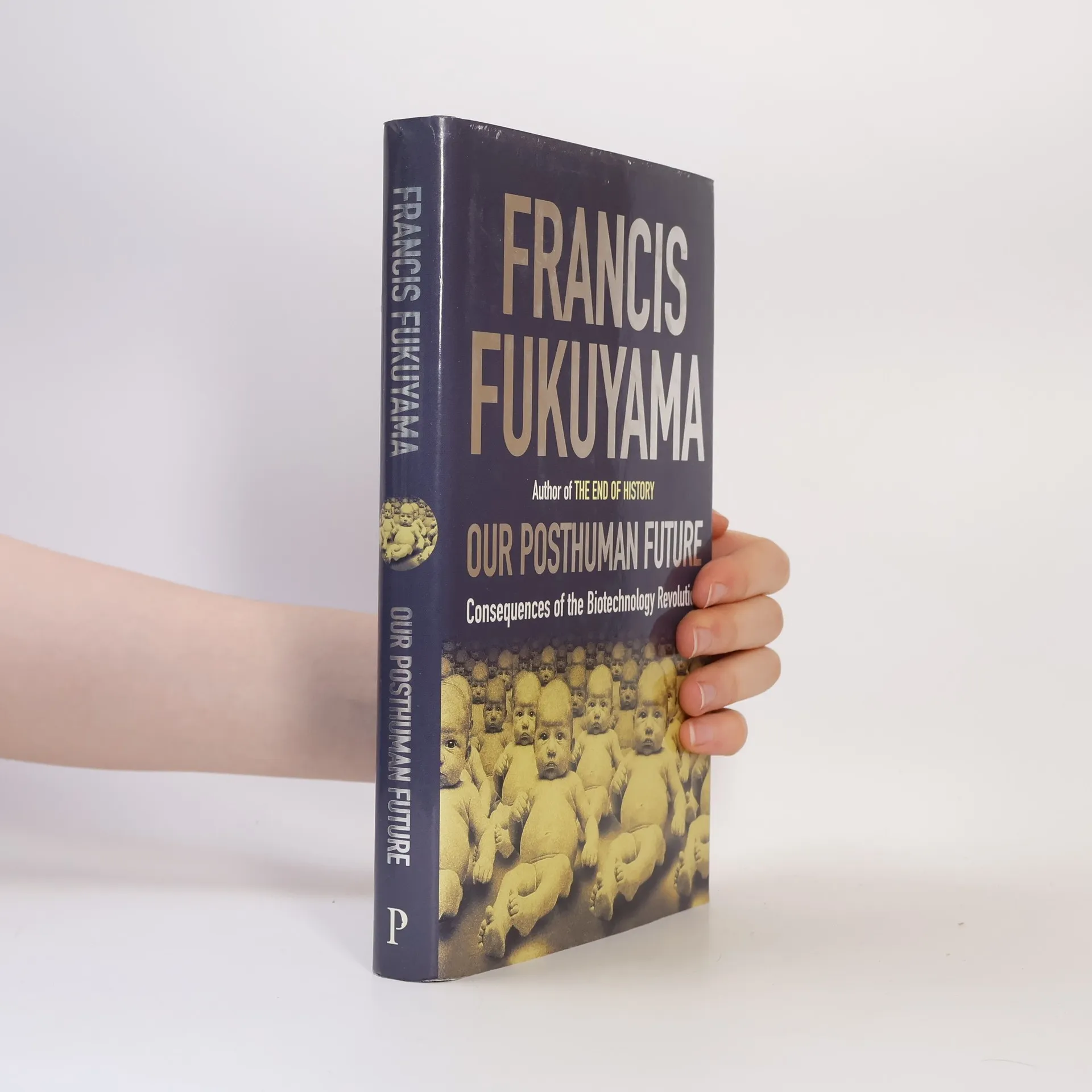
Our Posthuman Future
Consequences of the Biotechnology Revolution
Autori
Hodnotenie knihy
Viac o knihe
The first human clone is on the horizon, raising profound questions about humanity and morality. If we can select traits from a "gene supermarket," what does that mean for our understanding of human nature? In 1989, Francis Fukuyama famously declared that history had reached its end as alternatives to liberal democracy had exhausted themselves. A decade later, he revised his view, suggesting that true historical progress hinges on scientific advancements. Fukuyama argues that future breakthroughs in the life sciences, particularly in modifying human behavior, will significantly impact liberal democracy. He traces humanity's evolving perception of human nature, from ancient philosophers like Plato and Aristotle, who believed in "natural ends," to modern utopians and dictators who aimed to reshape mankind for ideological purposes. Fukuyama warns that the biotechnology revolution, particularly the ability to alter the "germ-line" and manipulate DNA for future generations, poses serious risks to our political order. Even seemingly benign parental choices to enhance their children could have far-reaching implications. In this work, Fukuyama explores how these developments challenge the foundational belief in the inherent equality of all human beings.





Nákup knihy
Our Posthuman Future, Francis Fukuyama
- Jazyk

- Rok vydania
- 2002
- Väzba
- (pevná)
Doručenie
Platobné metódy
Tu nám chýba tvoja recenzia
- Titul
- Our Posthuman Future
- Podtitul
- Consequences of the Biotechnology Revolution
- Jazyk
- anglicky
- Autori
- Francis Fukuyama
- Vydavateľ
- Profile books LTD
- Rok vydania
- 2002
- Väzba
- pevná
- Počet strán
- 256
- ISBN10
- 1861972970
- ISBN13
- 9781861972972
- Série
- Kategórie
- Štítky
- Filozofická tematika, Politika, Veda, Technológia, Spoločnosť
- Pôvodný názov
- Our Posthuman Future: Consequences of the Biotechnology Revolution
- Hodnotenie
- 3,25 z 5
- Anotácia
- The first human clone is on the horizon, raising profound questions about humanity and morality. If we can select traits from a "gene supermarket," what does that mean for our understanding of human nature? In 1989, Francis Fukuyama famously declared that history had reached its end as alternatives to liberal democracy had exhausted themselves. A decade later, he revised his view, suggesting that true historical progress hinges on scientific advancements. Fukuyama argues that future breakthroughs in the life sciences, particularly in modifying human behavior, will significantly impact liberal democracy. He traces humanity's evolving perception of human nature, from ancient philosophers like Plato and Aristotle, who believed in "natural ends," to modern utopians and dictators who aimed to reshape mankind for ideological purposes. Fukuyama warns that the biotechnology revolution, particularly the ability to alter the "germ-line" and manipulate DNA for future generations, poses serious risks to our political order. Even seemingly benign parental choices to enhance their children could have far-reaching implications. In this work, Fukuyama explores how these developments challenge the foundational belief in the inherent equality of all human beings.