



Viac o knihe
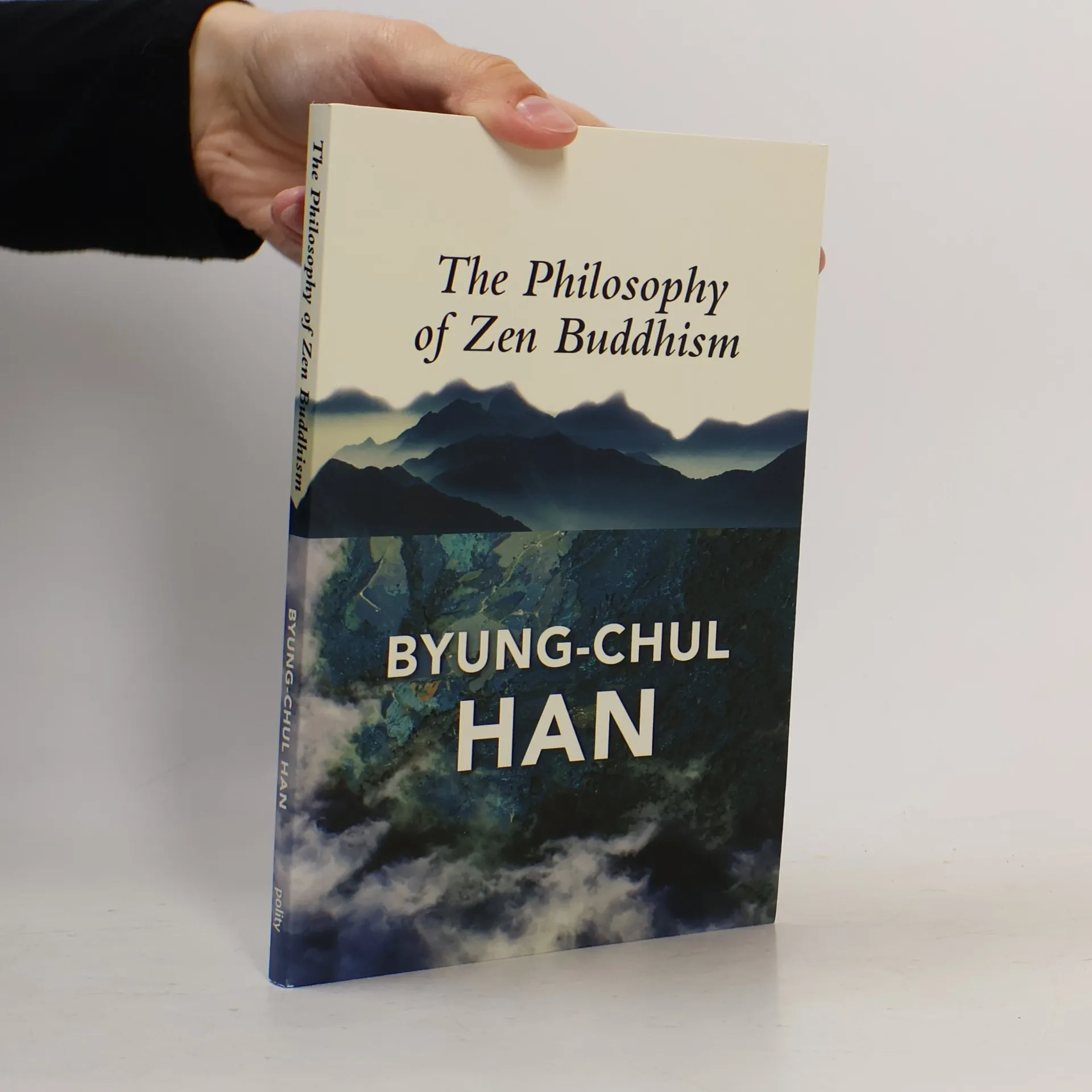
Zen Buddhism is a form of Mahāyāna Buddhism that originated in China and is strongly focused on meditation. It is characteristically sceptical towards language and distrustful of conceptual thought, which explains why Zen Buddhist sayings are so enigmatic and succinct. But despite Zen Buddhism’s hostility towards theory and discourse, it is possible to reflect philosophically on Zen Buddhism and bring out its philosophical insights. In this short book, Byung-Chul Han seeks to unfold the philosophical force inherent in Zen Buddhism, delving into the foundations of Far Eastern thought to which Zen Buddhism is indebted. Han does this comparatively by confronting and contrasting the insights of Zen Buddhism with the philosophies of Plato, Leibniz, Fichte, Hegel, Schopenhauer, Nietzsche, Kierkegaard, Heidegger and others, showing that Zen Buddhism and Western philosophy have very different ways of understanding religion, subjectivity, emptiness, friendliness and death. This important work by one of the most widely read philosophers and cultural theorists of our time will be of great value to anyone interested in comparative philosophy and religion.

Nákup knihy
The Philosophy of Zen Buddhism, Han Byung Chul
- Jazyk

- Rok vydania
- 2022
- Väzba
- (mäkká)
Doručenie
Platobné metódy
Tu nám chýba tvoja recenzia
- Titul
- The Philosophy of Zen Buddhism
- Jazyk
- anglicky
- Autori
- Han Byung Chul
- Vydavateľ
- Polity Press
- Rok vydania
- 2022
- Väzba
- mäkká
- Počet strán
- 120
- ISBN10
- 1509545107
- ISBN13
- 9781509545100
- Série
- Hodnotenie
- 3,6 z 5
- Anotácia
- Zen Buddhism is a form of Mahāyāna Buddhism that originated in China and is strongly focused on meditation. It is characteristically sceptical towards language and distrustful of conceptual thought, which explains why Zen Buddhist sayings are so enigmatic and succinct. But despite Zen Buddhism’s hostility towards theory and discourse, it is possible to reflect philosophically on Zen Buddhism and bring out its philosophical insights. In this short book, Byung-Chul Han seeks to unfold the philosophical force inherent in Zen Buddhism, delving into the foundations of Far Eastern thought to which Zen Buddhism is indebted. Han does this comparatively by confronting and contrasting the insights of Zen Buddhism with the philosophies of Plato, Leibniz, Fichte, Hegel, Schopenhauer, Nietzsche, Kierkegaard, Heidegger and others, showing that Zen Buddhism and Western philosophy have very different ways of understanding religion, subjectivity, emptiness, friendliness and death. This important work by one of the most widely read philosophers and cultural theorists of our time will be of great value to anyone interested in comparative philosophy and religion.