

Viac o knihe
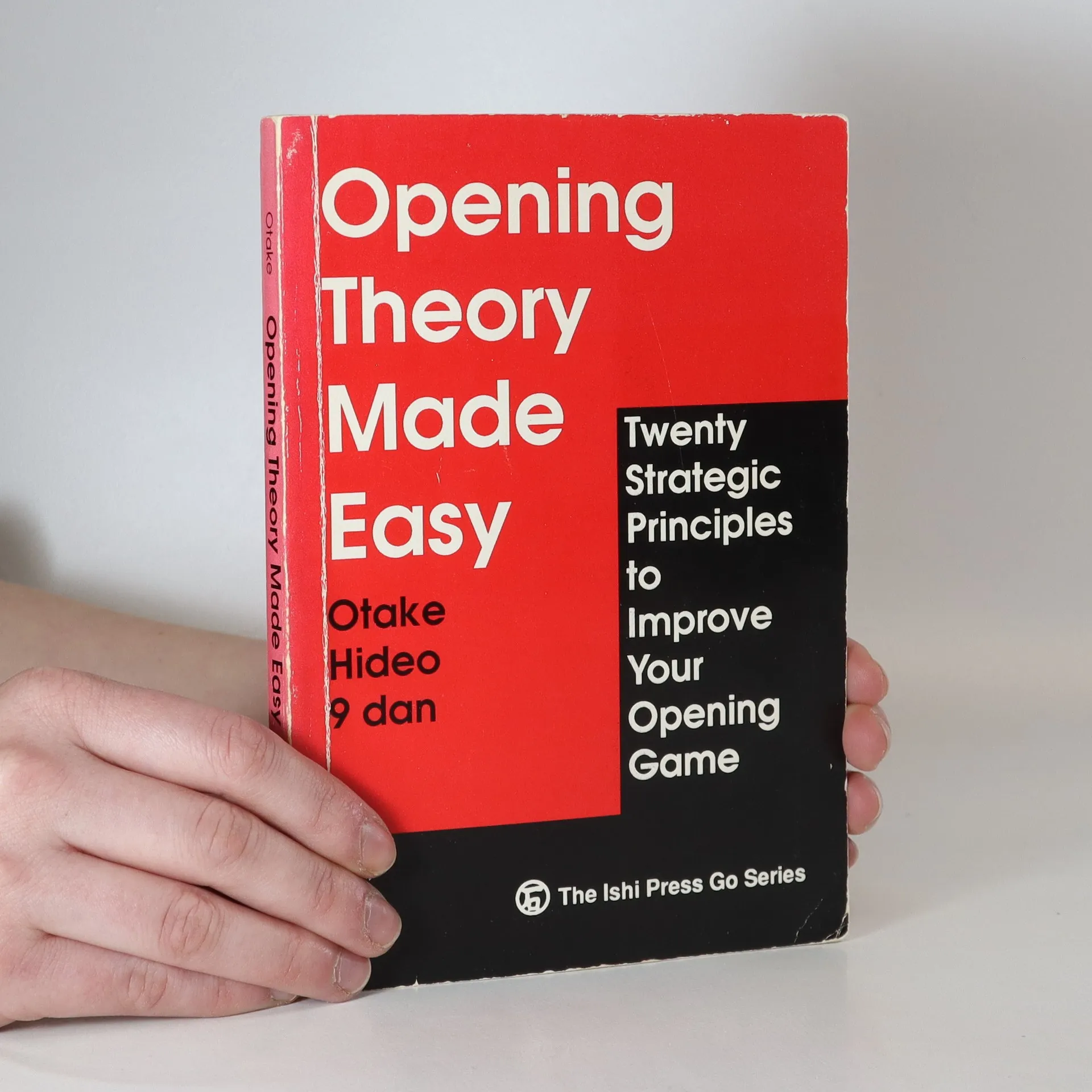
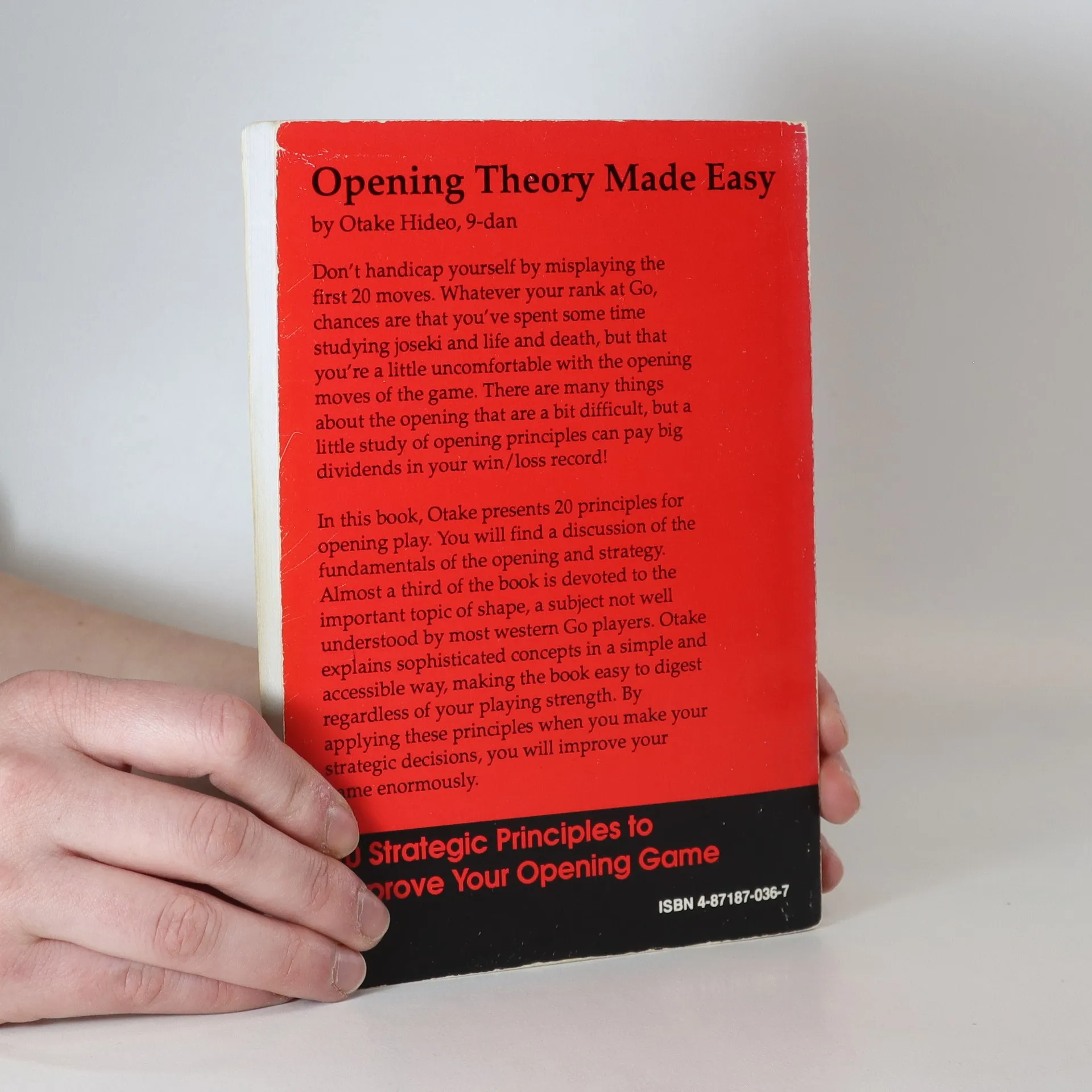
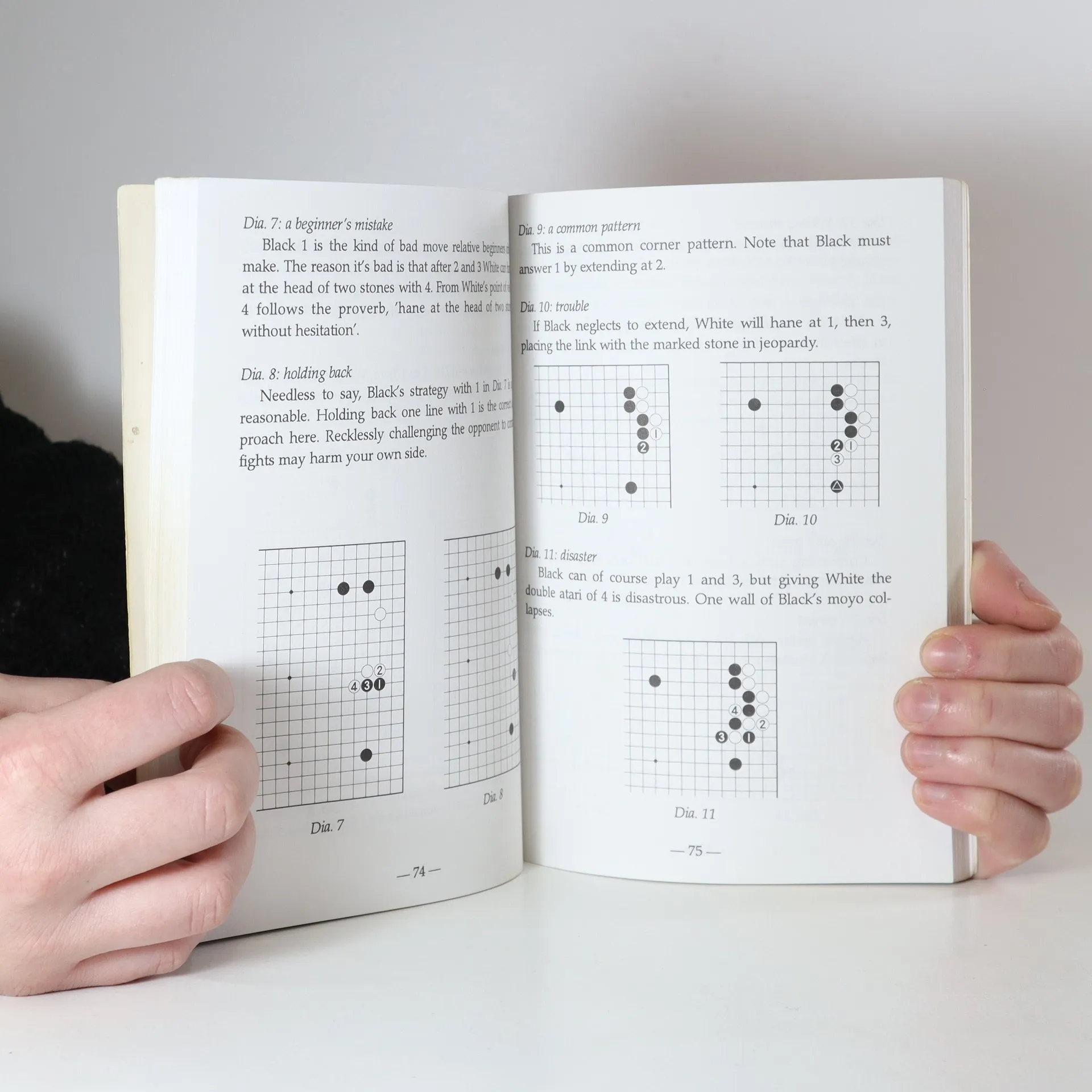
In this book, Otake presents 20 principles for opening play. You will find a discussion of the fundamentals of the opening and strategy. Almost a third of the book is devoted to the important topic of shape, a subject not well understood by most western go players. Otake explains sophisticated concepts in a simple and accessible way, making the book easy to digest regardless of your playing strength. By applying these principles when you make your strategic decisions, you will improve your game enormously. There are many things about the opening that are a bit difficult, but a little study of opening principles can pay big dividends in your win/loss record The book is divided into three parts: Chapter One: Fuseki Fundamentals Chapter Two: Shape Chapter Three: Strategy
Nákup knihy
Opening Theory Made Easy, Hideo Ōtake
- Jazyk

- Rok vydania
- 1992
- product-detail.submit-box.info.binding
- (mäkká)
Platobné metódy
Tu nám chýba tvoja recenzia
- Titul
- Opening Theory Made Easy
- Jazyk
- anglicky
- Autori
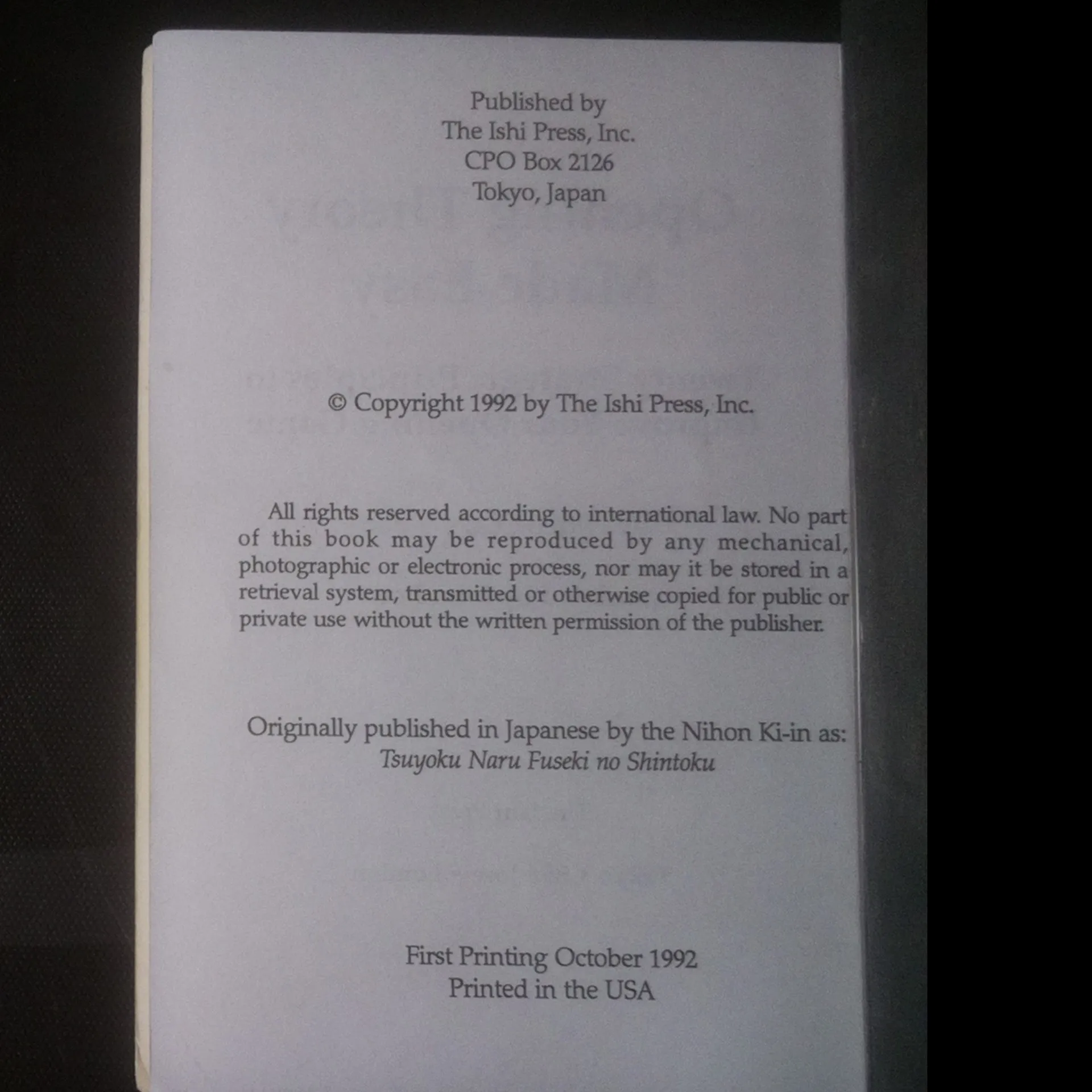
- Hideo Ōtake
- Rok vydania
- 1992
- Väzba
- mäkká
- Počet strán
- 167
- ISBN10
- 490657436x
- ISBN13
- 9784906574360
- Série
- Štítky
- Náučná literatúra, Hry
- Hodnotenie
- 4,4 z 5
- Anotácia
- In this book, Otake presents 20 principles for opening play. You will find a discussion of the fundamentals of the opening and strategy. Almost a third of the book is devoted to the important topic of shape, a subject not well understood by most western go players. Otake explains sophisticated concepts in a simple and accessible way, making the book easy to digest regardless of your playing strength. By applying these principles when you make your strategic decisions, you will improve your game enormously. There are many things about the opening that are a bit difficult, but a little study of opening principles can pay big dividends in your win/loss record The book is divided into three parts: Chapter One: Fuseki Fundamentals Chapter Two: Shape Chapter Three: Strategy