

Viac o knihe
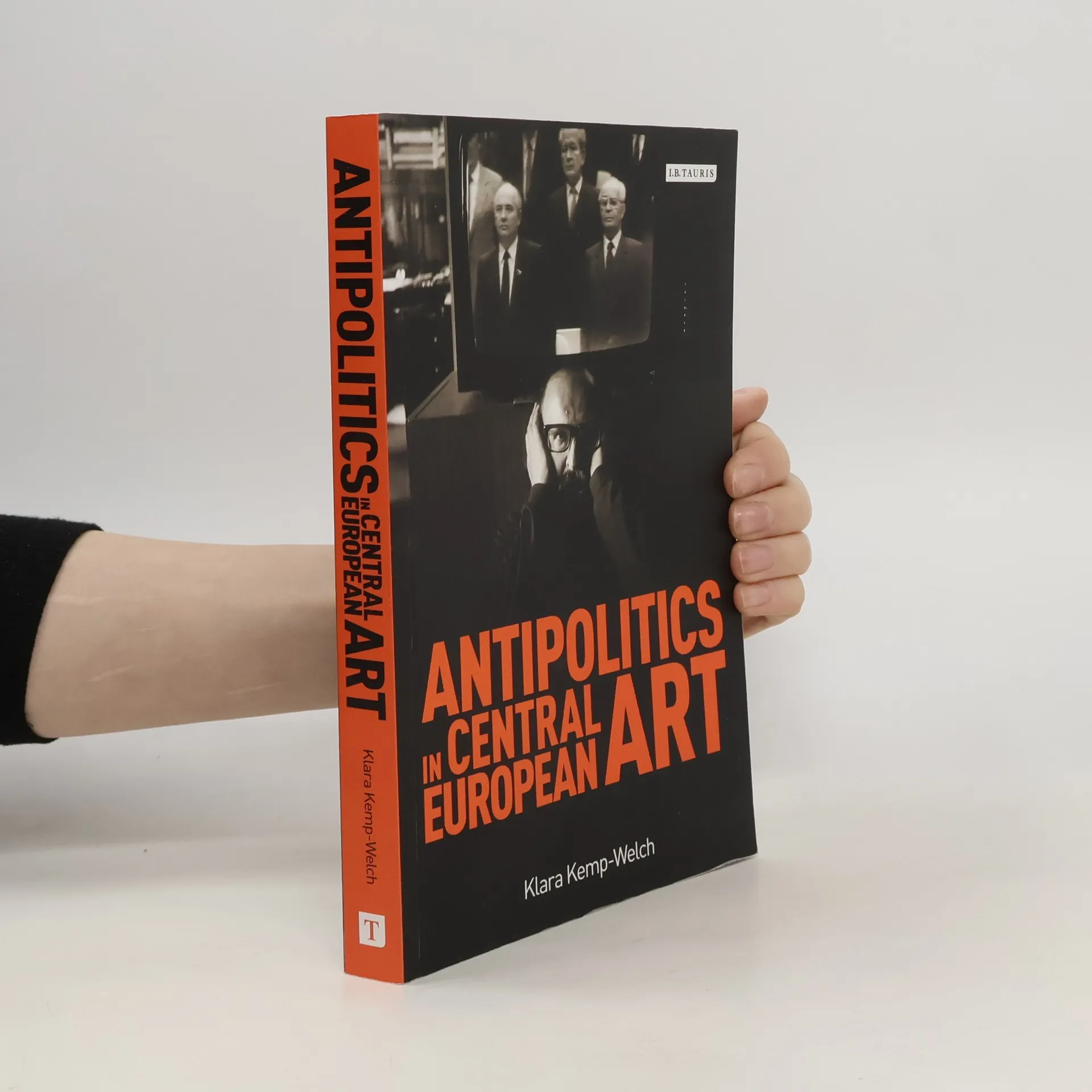
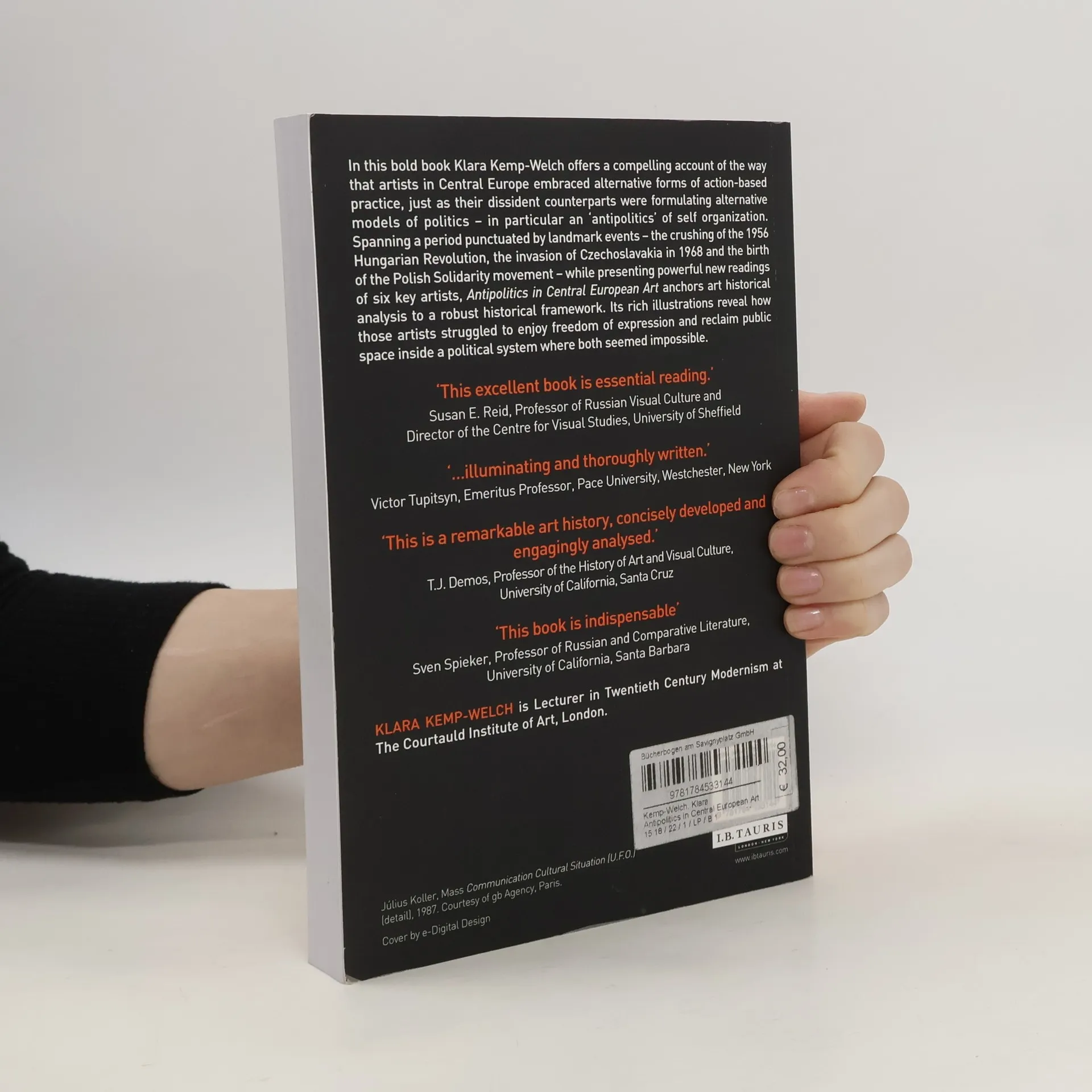
Art historians have often categorized late-socialist Central European art as either 'totalitarian' or 'transitional.' This book challenges that perspective, arguing that artists from this era cannot be simply labeled as dissident heroes or easily integrated into the Western formalist canon. Klara Kemp-Welch presents a compelling narrative on how artists in Poland, Czechoslovakia, and Hungary engaged in alternative forms of action-based practice, paralleling the development of dissident political models, particularly an 'antipolitics' rooted in societal self-organization. She advocates for recognizing the moral and political coherence of Central European art, theory, and activism during the late-socialist period, emphasizing the region's significance in late-20th-century intellectual and cultural history. This insightful work is crucial for those seeking a deeper understanding of the art and culture of 'other' Europe in the latter half of the twentieth century, which has been overlooked due to Cold War biases. It also appeals to readers interested in the adaptive strategies of artistic opposition. The book is noted for its illuminating and thorough writing, making it essential reading in the field.
Nákup knihy
Antipolitics in Central European Art, Klara Kemp-Welch
- Jazyk

- Rok vydania
- 2017
- Väzba
- (mäkká)
Doručenie
Platobné metódy
Tu nám chýba tvoja recenzia
- Titul
- Antipolitics in Central European Art
- Jazyk
- anglicky
- Autori
- Klara Kemp-Welch
- Vydavateľ
- Durnell MDL
- Rok vydania
- 2017
- Väzba
- mäkká
- Počet strán
- 352
- ISBN10
- 1784533149
- ISBN13
- 9781784533144
- Série
- Štítky
- Hodnotenie
- 4 z 5
- Anotácia
- Art historians have often categorized late-socialist Central European art as either 'totalitarian' or 'transitional.' This book challenges that perspective, arguing that artists from this era cannot be simply labeled as dissident heroes or easily integrated into the Western formalist canon. Klara Kemp-Welch presents a compelling narrative on how artists in Poland, Czechoslovakia, and Hungary engaged in alternative forms of action-based practice, paralleling the development of dissident political models, particularly an 'antipolitics' rooted in societal self-organization. She advocates for recognizing the moral and political coherence of Central European art, theory, and activism during the late-socialist period, emphasizing the region's significance in late-20th-century intellectual and cultural history. This insightful work is crucial for those seeking a deeper understanding of the art and culture of 'other' Europe in the latter half of the twentieth century, which has been overlooked due to Cold War biases. It also appeals to readers interested in the adaptive strategies of artistic opposition. The book is noted for its illuminating and thorough writing, making it essential reading in the field.