


Viac o knihe
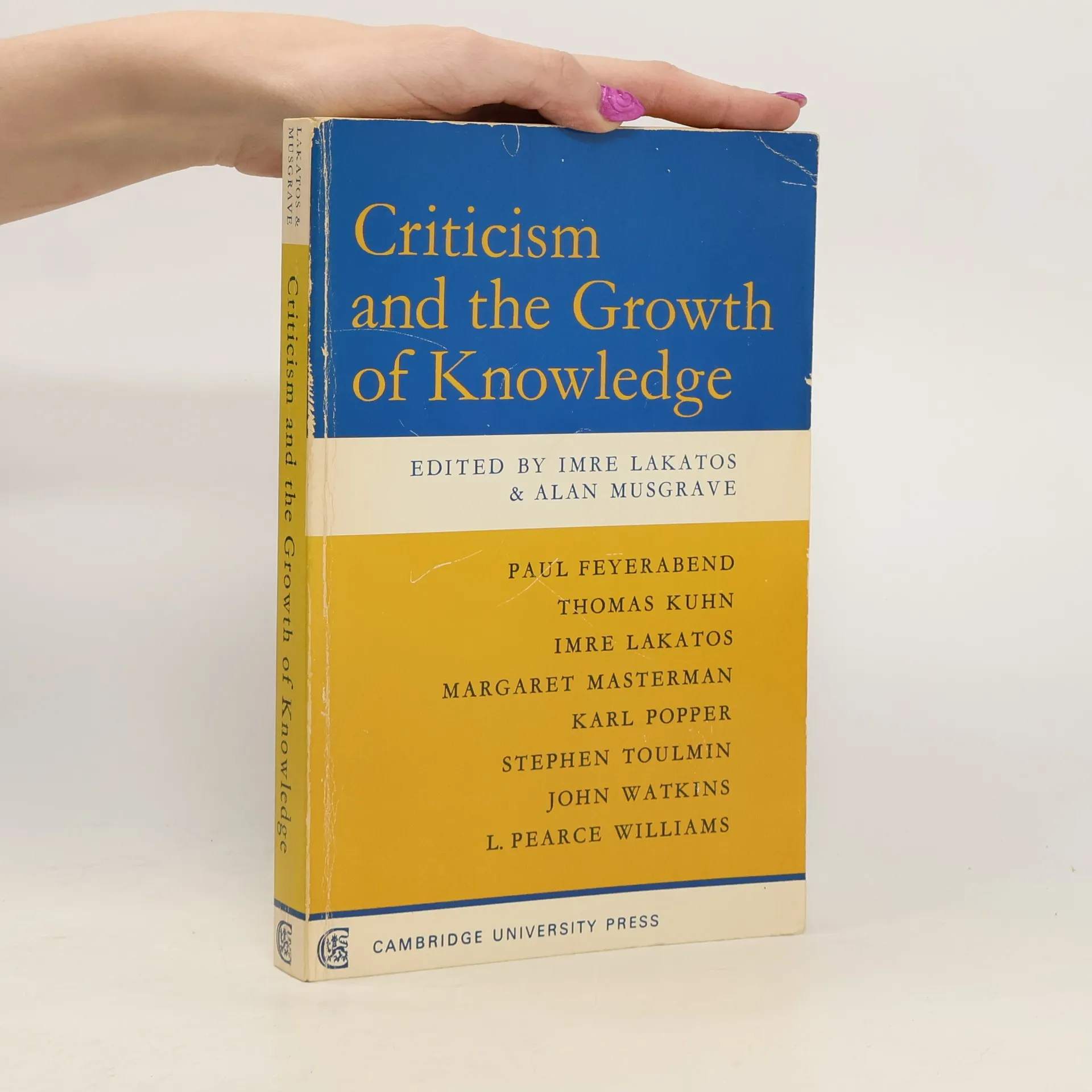
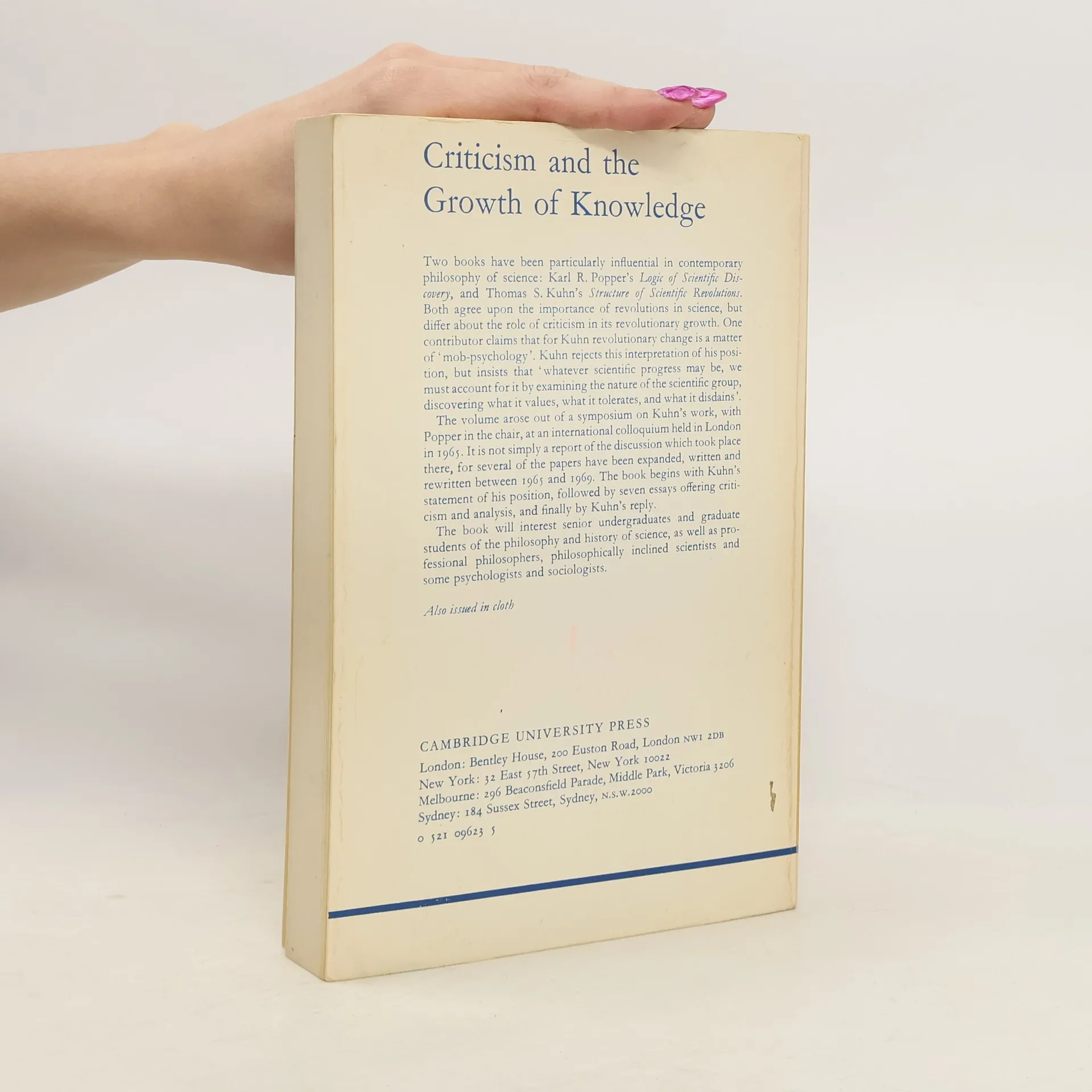
Two books have been particularly influential in contemporary philosophy of science: Karl R. Popper's Logic of Scientific Discovery, and Thomas S. Kuhn's Structure of Scientific Revolutions. Both agree upon the importance of revolutions in science, but differ about the role of criticism in science's revolutionary growth. This volume arose out of a symposium on Kuhn's work, with Popper in the chair, at an international colloquium held in London in 1965. The book begins with Kuhn's statement of his position followed by seven essays offering criticism and analysis, and finally by Kuhn's reply. The book will interest senior undergraduates and graduate students of the philosophy and history of science, as well as professional philosophers, philosophically inclined scientists, and some psychologists and sociologists.
Nákup knihy
Criticism and the Growth of Knowledge, Imre Lakatos, Alan Musgrave
- Jazyk

- Rok vydania
- 1974
- Väzba
- (mäkká)
Tu nám chýba tvoja recenzia
- Titul
- Criticism and the Growth of Knowledge
- Jazyk
- anglicky
- Autori
- Imre Lakatos, Alan Musgrave
- Vydavateľ
- Cambridge University Press
- Rok vydania
- 1974
- Väzba
- mäkká
- Počet strán
- 292
- ISBN10
- 0521096235
- ISBN13
- 9780521096232
- Série
- Štítky
- Veda
- Hodnotenie
- 4,1 z 5
- Anotácia
- Two books have been particularly influential in contemporary philosophy of science: Karl R. Popper's Logic of Scientific Discovery, and Thomas S. Kuhn's Structure of Scientific Revolutions. Both agree upon the importance of revolutions in science, but differ about the role of criticism in science's revolutionary growth. This volume arose out of a symposium on Kuhn's work, with Popper in the chair, at an international colloquium held in London in 1965. The book begins with Kuhn's statement of his position followed by seven essays offering criticism and analysis, and finally by Kuhn's reply. The book will interest senior undergraduates and graduate students of the philosophy and history of science, as well as professional philosophers, philosophically inclined scientists, and some psychologists and sociologists.