

Hodnotenie knihy
Viac o knihe
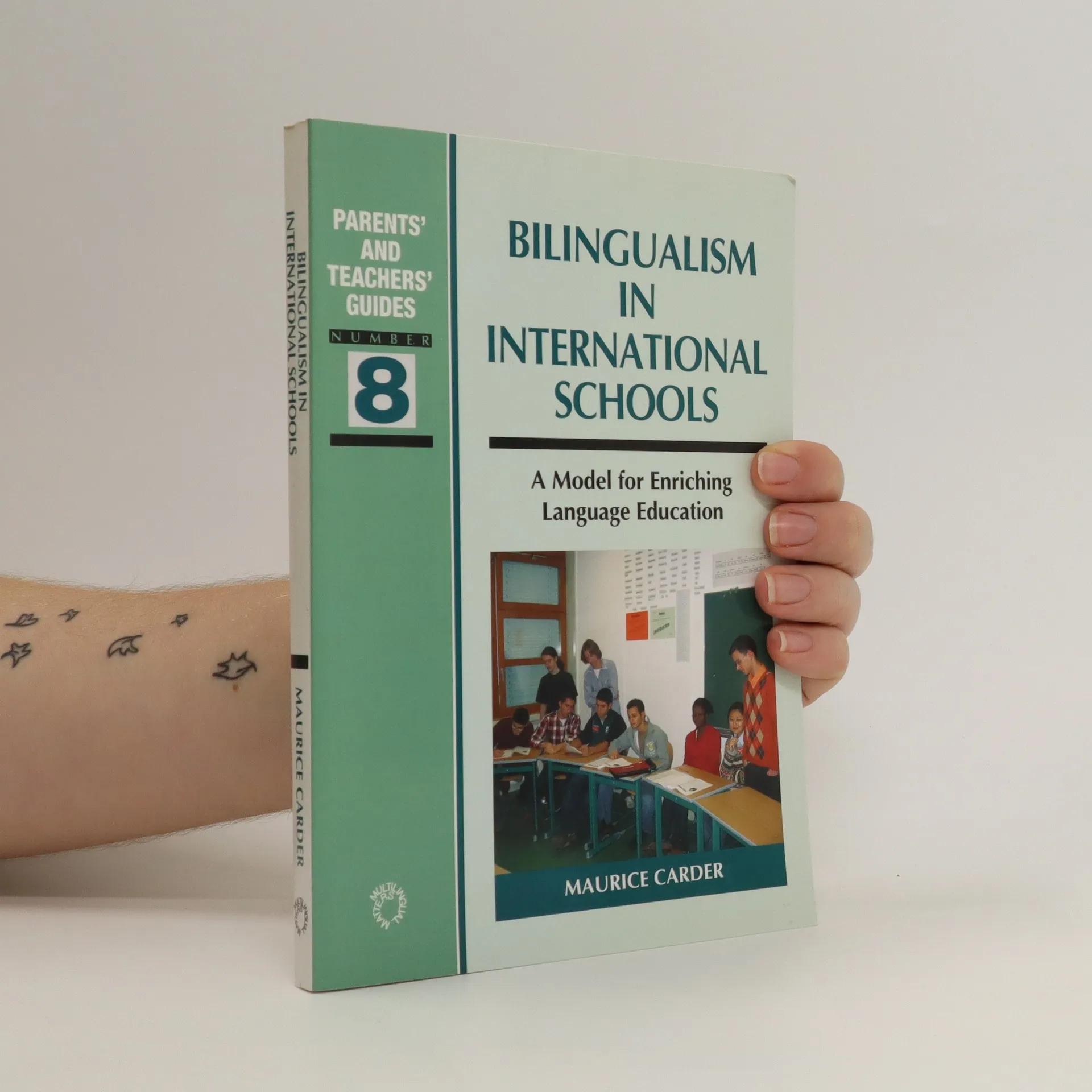
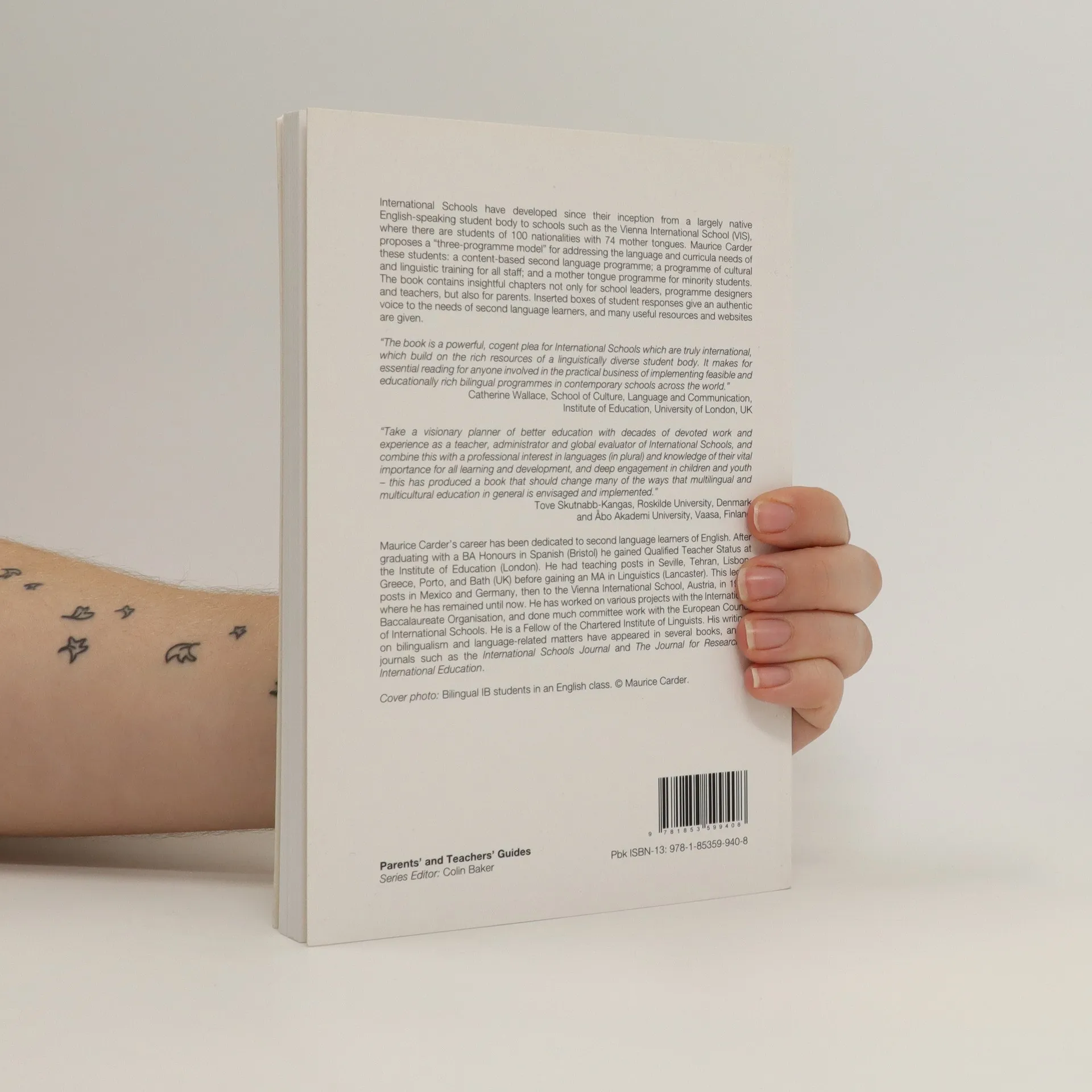
International Schools have developed since their inception from a largely native English-speaking student body to schools such as the author’s, the Vienna International School (VIS), where there are students of 90 nationalities with 65 mother tongues. Maurice Carder proposes a “three-programme model” for addressing the language and curricula needs of these students: a content-based second language programme; a programme of cultural and linguistic training for all staff; and a mother tongue programme for minority students. The model is based on research findings and practice: at the VIS every year approximately 1/3 of the graduating students gain an IB Diploma (International Baccalaureate) because they are able to take their mother tongue (other than English or German) as Language A1. The book contains insightful chapters not only for school leaders, programme designers and teachers, but also for parents. Inserted boxes of student responses give an authentic voice to the needs of second language learners, and many useful resources and websites are given.
Vydanie

Nákup knihy
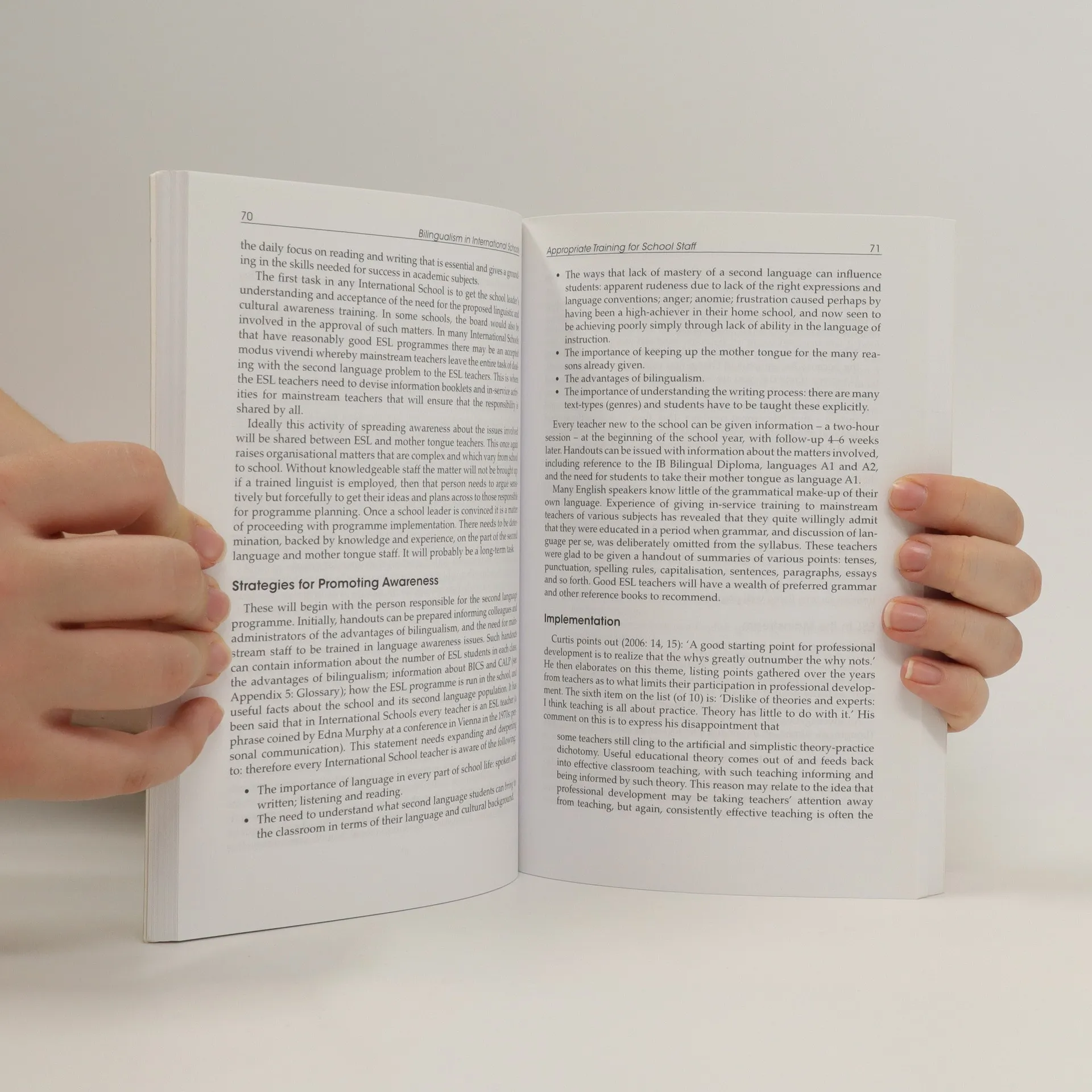
Bilingualism in international schools: a model for enriching language education, Maurice Carder
- Jazyk

- Rok vydania
- 2007
- Väzba
- (mäkká)
Doručenie
Platobné metódy
Tu nám chýba tvoja recenzia
- Titul
- Bilingualism in international schools: a model for enriching language education
- Jazyk
- anglicky
- Autori
- Maurice Carder
- Vydavateľ
- Multilingual Matters, 2009.
- Rok vydania
- 2007
- Väzba
- mäkká
- Počet strán
- 207
- ISBN10
- 1853599409
- ISBN13
- 9781853599408
- Série
- Štítky
- Ostatné učebnice
- Hodnotenie
- 4 z 5
- Anotácia
- International Schools have developed since their inception from a largely native English-speaking student body to schools such as the author’s, the Vienna International School (VIS), where there are students of 90 nationalities with 65 mother tongues. Maurice Carder proposes a “three-programme model” for addressing the language and curricula needs of these students: a content-based second language programme; a programme of cultural and linguistic training for all staff; and a mother tongue programme for minority students. The model is based on research findings and practice: at the VIS every year approximately 1/3 of the graduating students gain an IB Diploma (International Baccalaureate) because they are able to take their mother tongue (other than English or German) as Language A1. The book contains insightful chapters not only for school leaders, programme designers and teachers, but also for parents. Inserted boxes of student responses give an authentic voice to the needs of second language learners, and many useful resources and websites are given.