

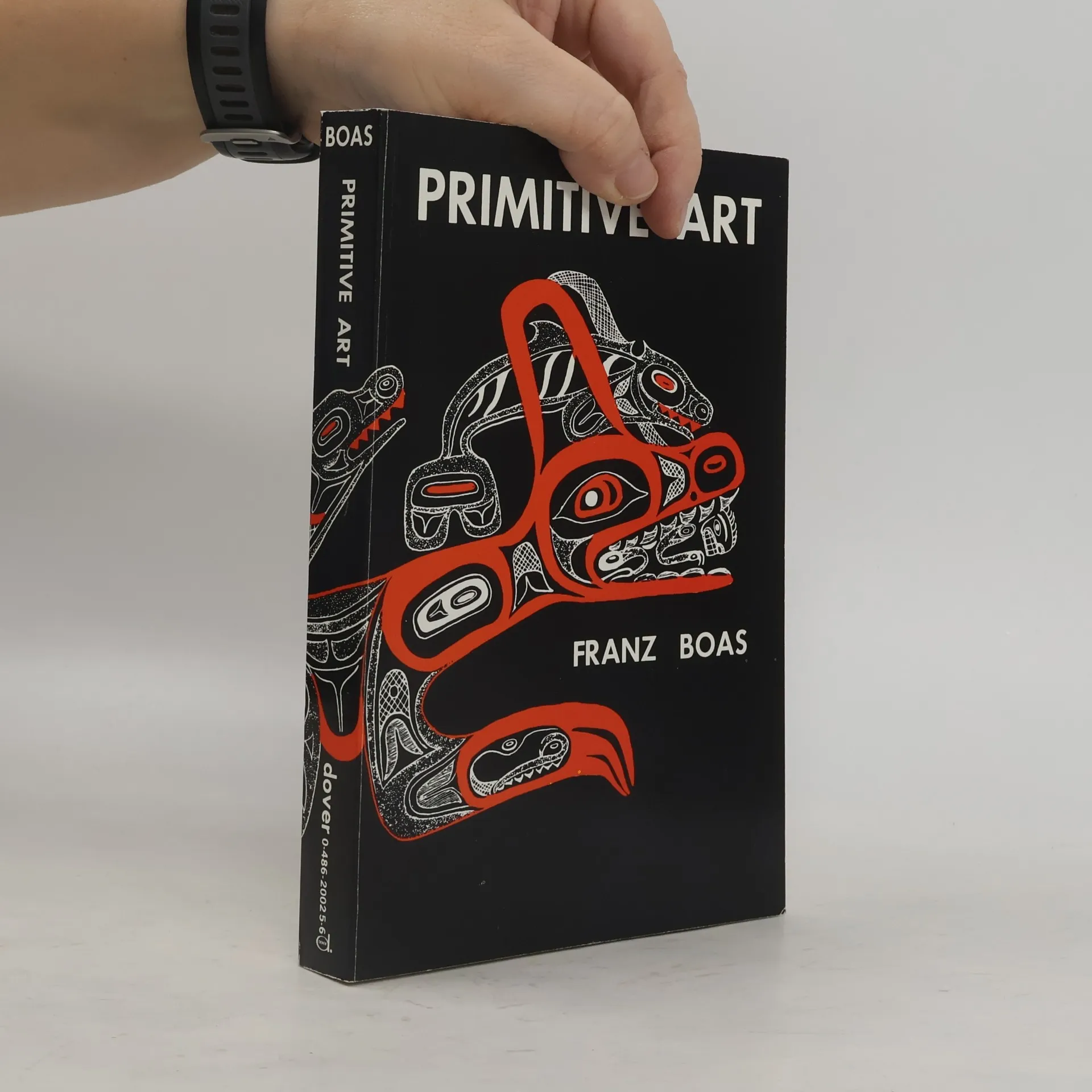
Primitive Art
Autori
Parametre
- 378 stránok
- 14 hodin čítania
Viac o knihe
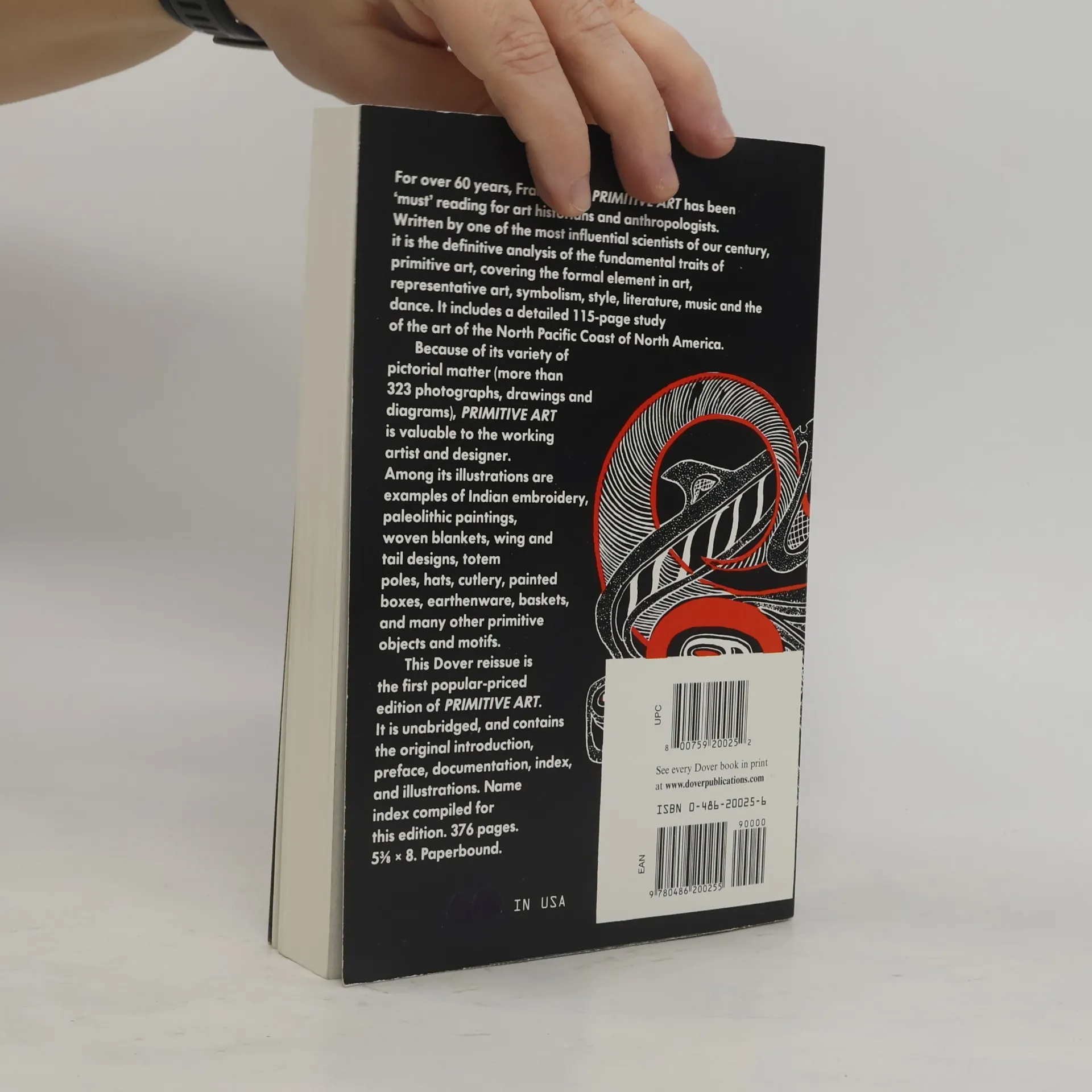
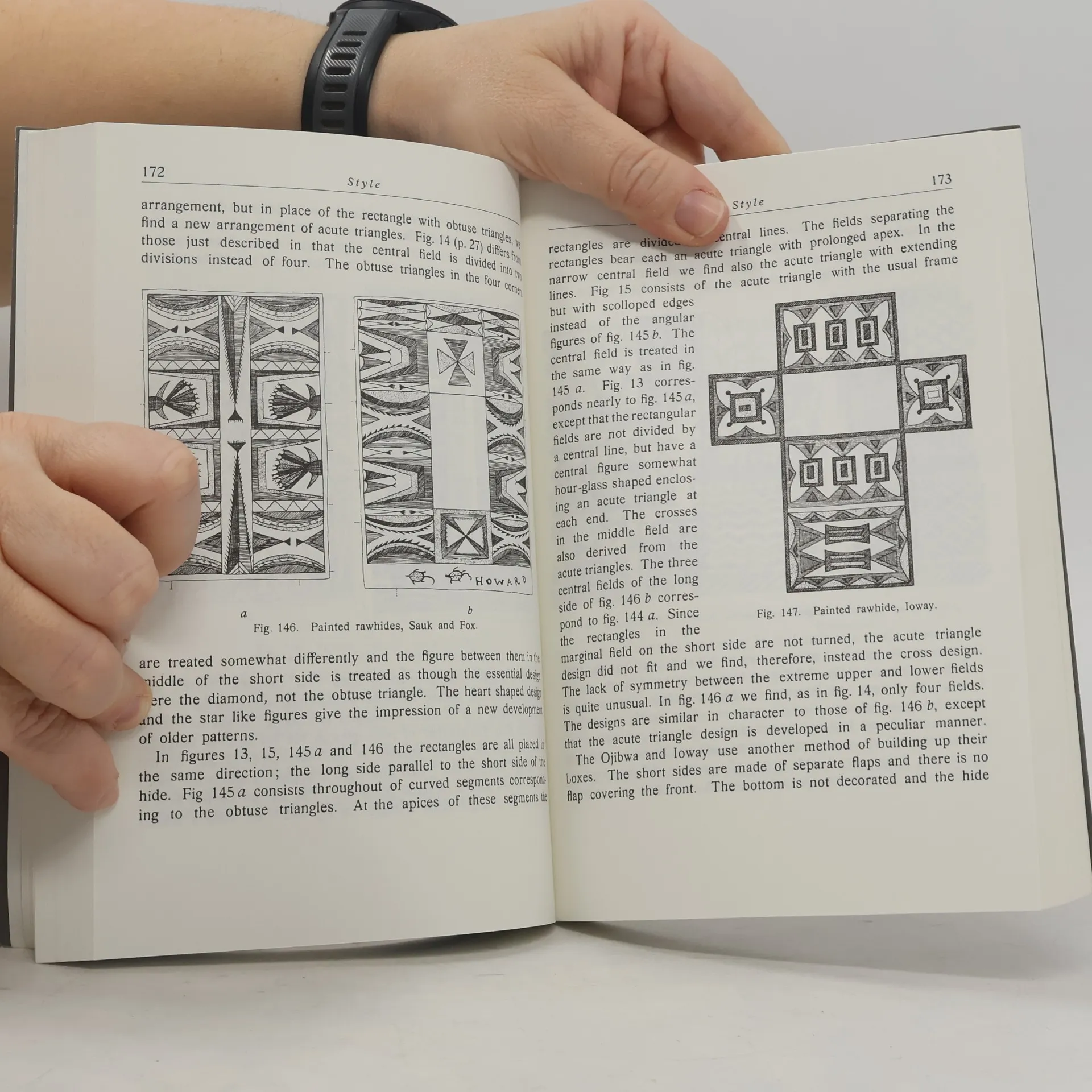
A pioneer of modern anthropology, Franz Boas introduced the concept of cultural relativism, arguing that all human groups have evolved equally but in different ways that resulted from historic conditions rather than genetic factors. This profoundly influential 1927 study analyzes in clear and simple language the fundamental traits of primitive art, examining the symbolism and style of objects and of literature, music, and dance. Boas draws primarily upon his extensive fieldwork among the Indians of the American Northwest Coast, in addition to referencing artifacts and customs from throughout the Americas, Africa, and the South Pacific. More than 323 photographs, drawings, and diagrams of totem poles, baskets, masks, and other decorated items illustrate this much-studied and ever-vital work.
Vydanie

Nákup knihy
Primitive Art, Franz Boas
- Jazyk

- Rok vydania
- 1955
- Väzba
- (mäkká)
Doručenie
Platobné metódy
Nikto zatiaľ neohodnotil.
- Titul
- Primitive Art
- Jazyk
- anglicky
- Autori
- Franz Boas
- Vydavateľ
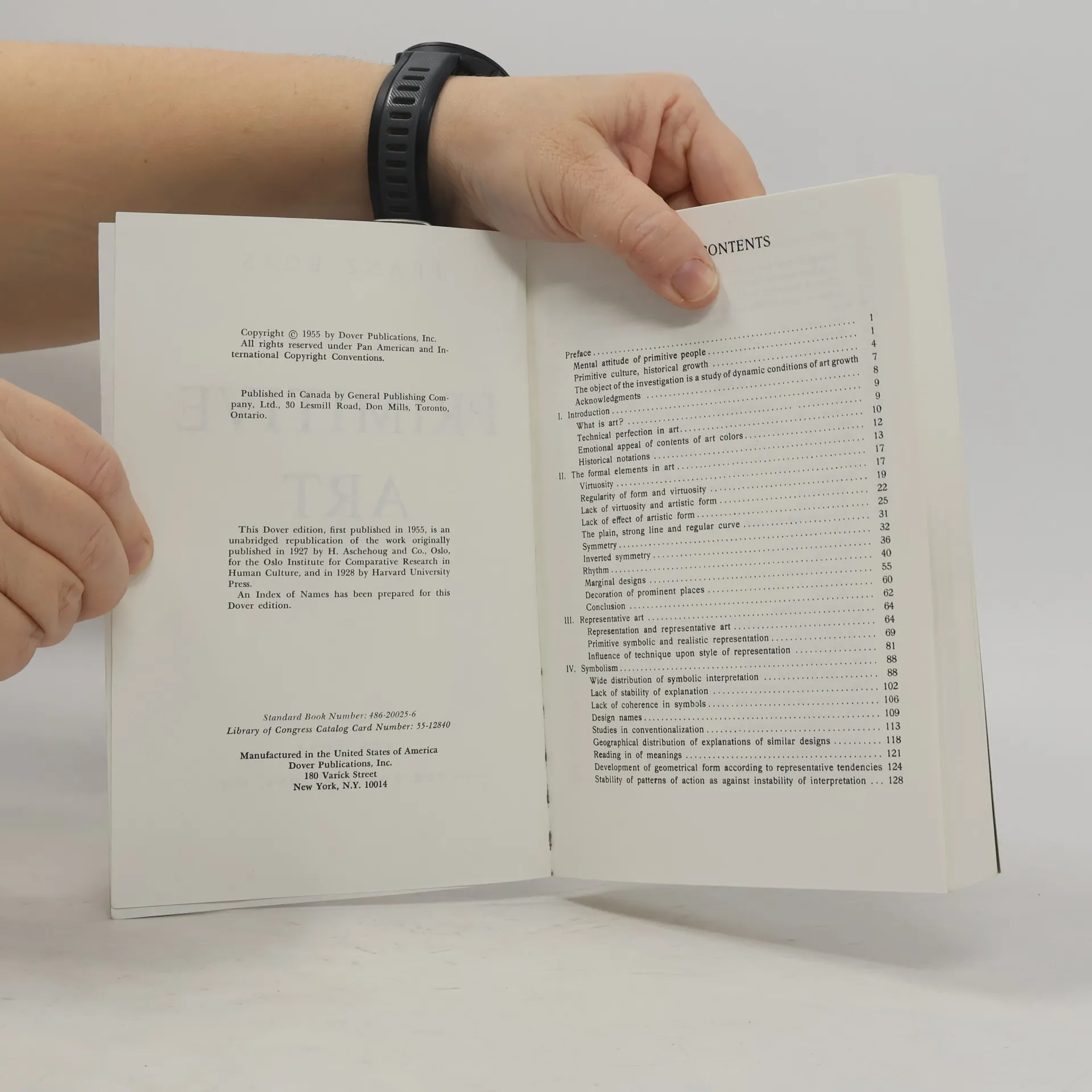
- Dover Publications Inc.
- Rok vydania
- 1955
- Väzba
- mäkká
- Počet strán
- 378
- ISBN10
- 0486200256
- ISBN13
- 9780486200255
- Série
- Kategórie
- Anotácia
- A pioneer of modern anthropology, Franz Boas introduced the concept of cultural relativism, arguing that all human groups have evolved equally but in different ways that resulted from historic conditions rather than genetic factors. This profoundly influential 1927 study analyzes in clear and simple language the fundamental traits of primitive art, examining the symbolism and style of objects and of literature, music, and dance. Boas draws primarily upon his extensive fieldwork among the Indians of the American Northwest Coast, in addition to referencing artifacts and customs from throughout the Americas, Africa, and the South Pacific. More than 323 photographs, drawings, and diagrams of totem poles, baskets, masks, and other decorated items illustrate this much-studied and ever-vital work.