

Viac o knihe
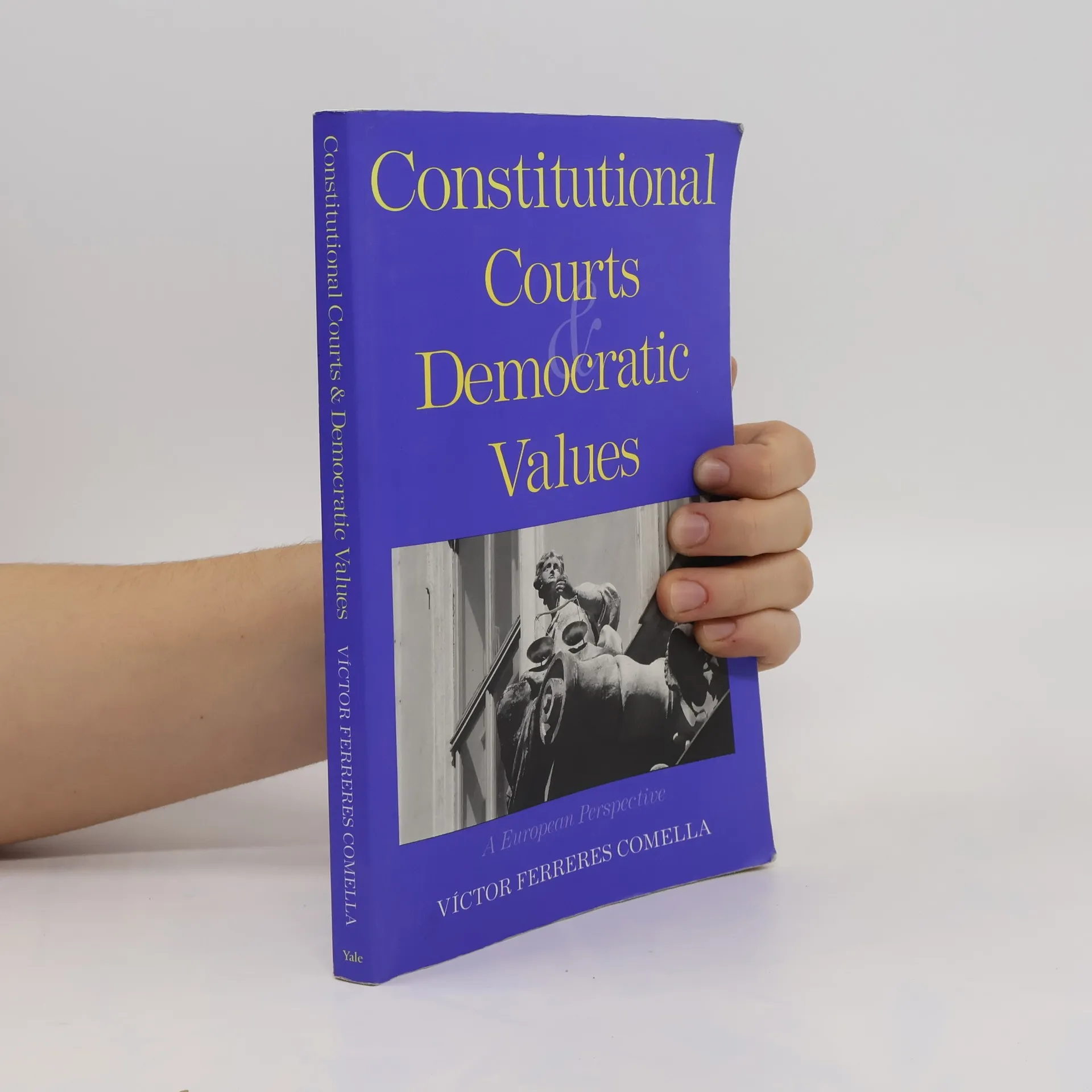
In this book, Víctor Ferreres Comella contrasts the European “centralized” constitutional court model, in which one court system is used to adjudicate constitutional questions, with a decentralized model, such as that of the United States, in which courts deal with both constitutional and nonconstitutional questions. Comella’s systematic exploration of the reasons for and against the creation of constitutional courts is rich in detail and offers an ambitious theory to justify the European preference for them. Based on extensive research on eighteen European countries, Comella finds that centralized review fits well with the civil law tradition and structures of ordinary adjudication in those countries. Comella concludes that—while the decentralized model works for the United States—there is more than one way to preserve democratic values and that these values are best preserved in the parliamentary democracies of Europe through constitutional courts.
Nákup knihy
Constitutional Courts and Democratic Values, Victor Ferreres Comella
- Jazyk

- Rok vydania
- 2009
- Väzba
- (mäkká)
Tu nám chýba tvoja recenzia
- Titul
- Constitutional Courts and Democratic Values
- Jazyk
- anglicky
- Autori
- Victor Ferreres Comella
- Vydavateľ
- Yale University Press
- Rok vydania
- 2009
- Väzba
- mäkká
- Počet strán
- 238
- ISBN10
- 0300148674
- ISBN13
- 9780300148671
- Série
- Štítky
- Byznys, Právna tematika
- Hodnotenie
- 4,35 z 5
- Anotácia
- In this book, Víctor Ferreres Comella contrasts the European “centralized” constitutional court model, in which one court system is used to adjudicate constitutional questions, with a decentralized model, such as that of the United States, in which courts deal with both constitutional and nonconstitutional questions. Comella’s systematic exploration of the reasons for and against the creation of constitutional courts is rich in detail and offers an ambitious theory to justify the European preference for them. Based on extensive research on eighteen European countries, Comella finds that centralized review fits well with the civil law tradition and structures of ordinary adjudication in those countries. Comella concludes that—while the decentralized model works for the United States—there is more than one way to preserve democratic values and that these values are best preserved in the parliamentary democracies of Europe through constitutional courts.