

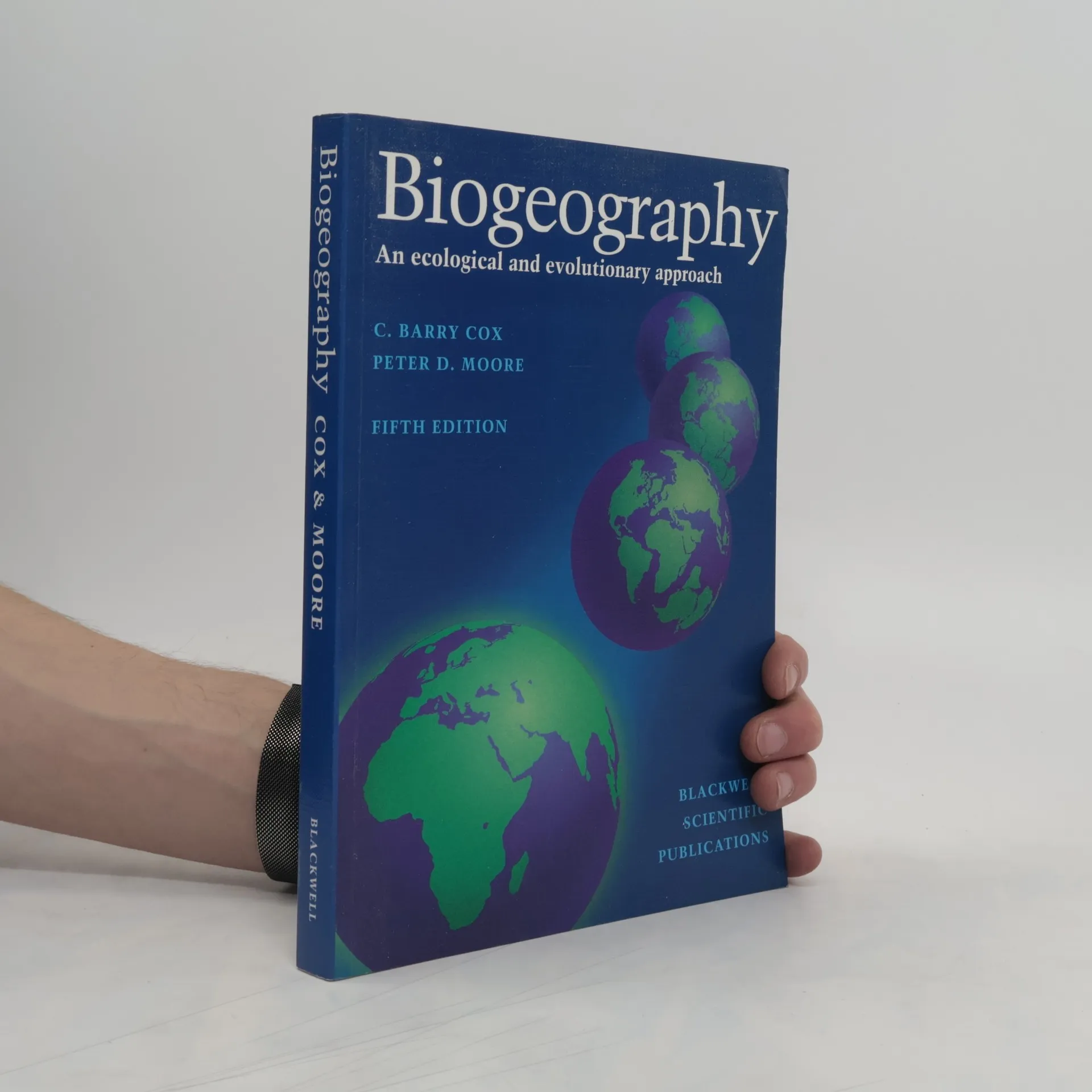


Biogeography : an ecological and evolutionary approach
Viac o knihe
Before outlining the structure of biogeography today, it's essential to understand how scientists work and their limitations. Trust in scientific claims should be approached with caution. Examining the behavior of past researchers reveals that contemporary scientists are influenced by similar factors. History offers valuable lessons, showing that the range of acceptable solutions is often constrained by societal and scientific norms. For instance, attitudes toward evolution and continental drift in the 19th and 20th centuries illustrate how such inhibitions can shape scientific discourse, with evolution still being contentious in some communities today. Scientific debates are rarely objective; they are influenced by personal beliefs, societal standing, and prior opinions. Just as "there's no business like show business," self-interest plays a significant role in scientific endeavors. Notable examples include how 19th-century middle-class scientists in England utilized the concept of evolution to challenge the establishment. Additionally, the individual case of Leon Croizat and his ideas provides an intriguing study of how personal and societal factors intersect with scientific inquiry. Understanding these dynamics is crucial for grasping the evolution of biogeographical thought.
Vydanie

Nákup knihy
Biogeography : an ecological and evolutionary approach, Peter D. Moore, C. Barry Cox
- Jazyk

- Rok vydania
- 1993
- Väzba
- (pevná)
Doručenie
Platobné metódy
Nikto zatiaľ neohodnotil.
- Titul
- Biogeography : an ecological and evolutionary approach
- Jazyk
- anglicky
- Autori
- Peter D. Moore, C. Barry Cox
- Vydavateľ
- Blackwell
- Rok vydania
- 1993
- Väzba
- pevná
- Série
- Kategórie
- Anotácia
- Before outlining the structure of biogeography today, it's essential to understand how scientists work and their limitations. Trust in scientific claims should be approached with caution. Examining the behavior of past researchers reveals that contemporary scientists are influenced by similar factors. History offers valuable lessons, showing that the range of acceptable solutions is often constrained by societal and scientific norms. For instance, attitudes toward evolution and continental drift in the 19th and 20th centuries illustrate how such inhibitions can shape scientific discourse, with evolution still being contentious in some communities today. Scientific debates are rarely objective; they are influenced by personal beliefs, societal standing, and prior opinions. Just as "there's no business like show business," self-interest plays a significant role in scientific endeavors. Notable examples include how 19th-century middle-class scientists in England utilized the concept of evolution to challenge the establishment. Additionally, the individual case of Leon Croizat and his ideas provides an intriguing study of how personal and societal factors intersect with scientific inquiry. Understanding these dynamics is crucial for grasping the evolution of biogeographical thought.