

Viac o knihe
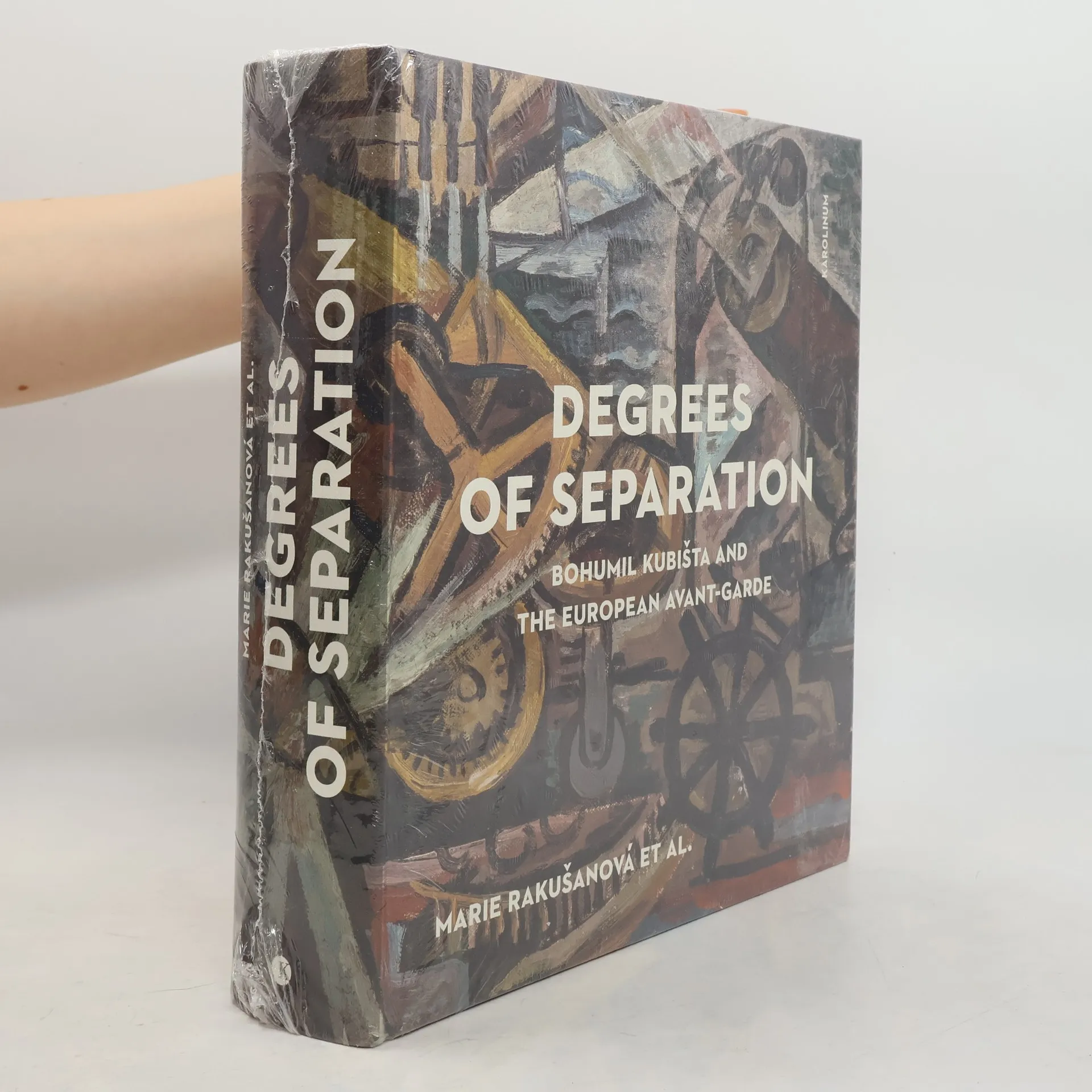
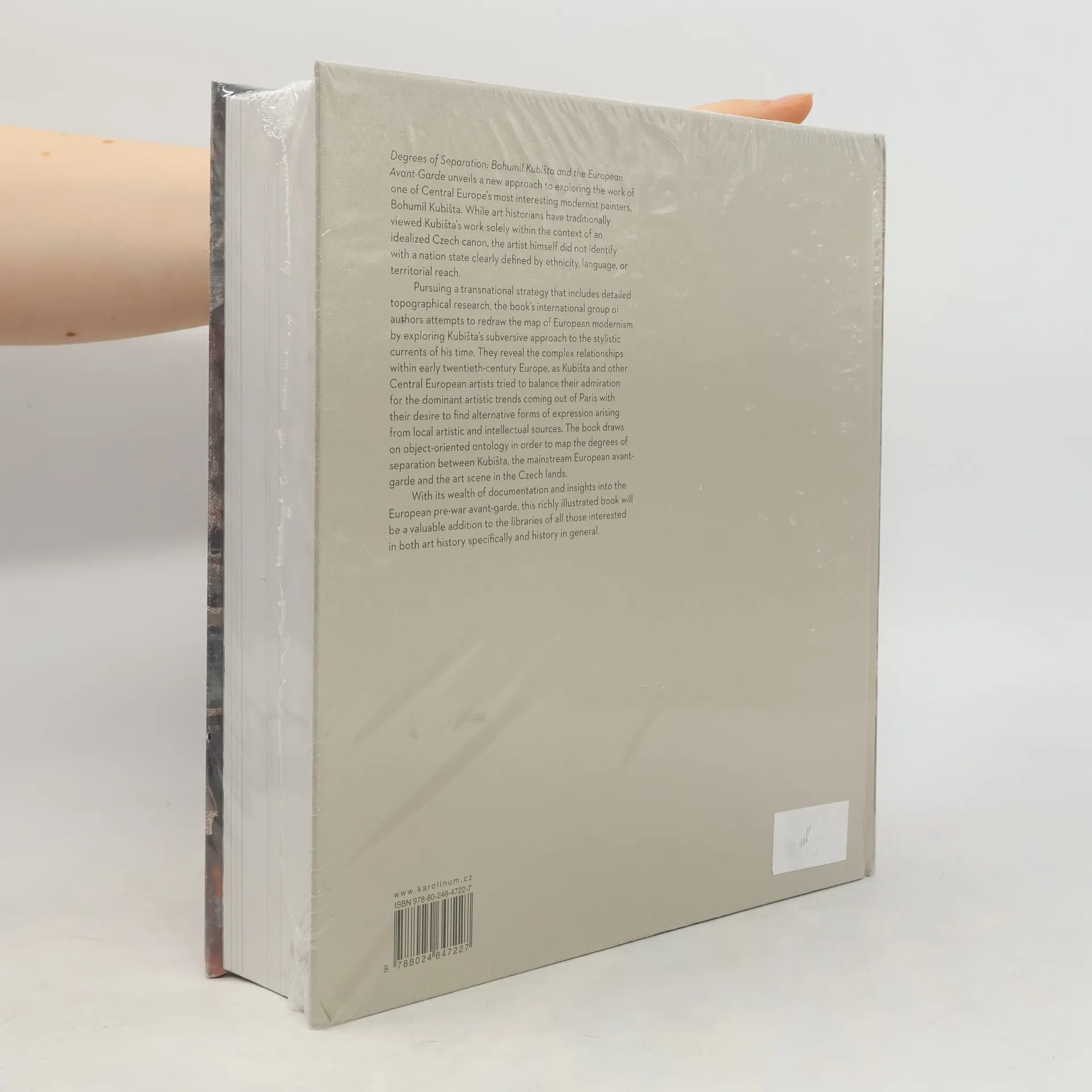
A richly illustrated reconsideration of the life and work of painter Bohumil Kubista. In Degrees of Separation, scholars from the Czech Republic, Canada, Germany, and Hungary take a new approach to exploring the work of one of Central Europe's most interesting modernist painters, Bohumil Kubista. While many art historians have viewed Kubista's work solely in the context of an idealized Czech canon, Kubista did not identify with a nation-state clearly defined by ethnicity, language, or territorial reach. Taking a transnational approach that incorporates thorough topographical research, the authors attempt to redraw the map of European modernism by exploring the artist's subversive approach to the stylistic currents of his time. The book reveals the complex relationships within early twentieth-century Europe, as Kubista and other Central European artists tried to balance their admiration for the dominant artistic trends coming out of Paris with their desire to find alternative forms of expression, arising from local artistic and intellectual sources. The richly illustrated book features a wealth of documentation, including an exhaustive timeline with notes, a comprehensive inventory of Kubista's works, and an up-to-date exhibition list.
Nákup knihy
Degrees of Separation. Bohumil Kubista and the European Avant-Garde, Marie Rakušanová
- Jazyk

- Rok vydania
- 2021
- Väzba
- (pevná)
Tu nám chýba tvoja recenzia
- Titul
- Degrees of Separation. Bohumil Kubista and the European Avant-Garde
- Jazyk
- anglicky
- Autori
- Marie Rakušanová
- Vydavateľ
- Karolinum
- Rok vydania
- 2021
- Väzba
- pevná
- Počet strán
- 700
- ISBN10
- 8024647222
- ISBN13
- 9788024647227
- Série
- Štítky
- Výtvarné umenie
- Hodnotenie
- 4,5 z 5
- Anotácia
- A richly illustrated reconsideration of the life and work of painter Bohumil Kubista. In Degrees of Separation, scholars from the Czech Republic, Canada, Germany, and Hungary take a new approach to exploring the work of one of Central Europe's most interesting modernist painters, Bohumil Kubista. While many art historians have viewed Kubista's work solely in the context of an idealized Czech canon, Kubista did not identify with a nation-state clearly defined by ethnicity, language, or territorial reach. Taking a transnational approach that incorporates thorough topographical research, the authors attempt to redraw the map of European modernism by exploring the artist's subversive approach to the stylistic currents of his time. The book reveals the complex relationships within early twentieth-century Europe, as Kubista and other Central European artists tried to balance their admiration for the dominant artistic trends coming out of Paris with their desire to find alternative forms of expression, arising from local artistic and intellectual sources. The richly illustrated book features a wealth of documentation, including an exhaustive timeline with notes, a comprehensive inventory of Kubista's works, and an up-to-date exhibition list.